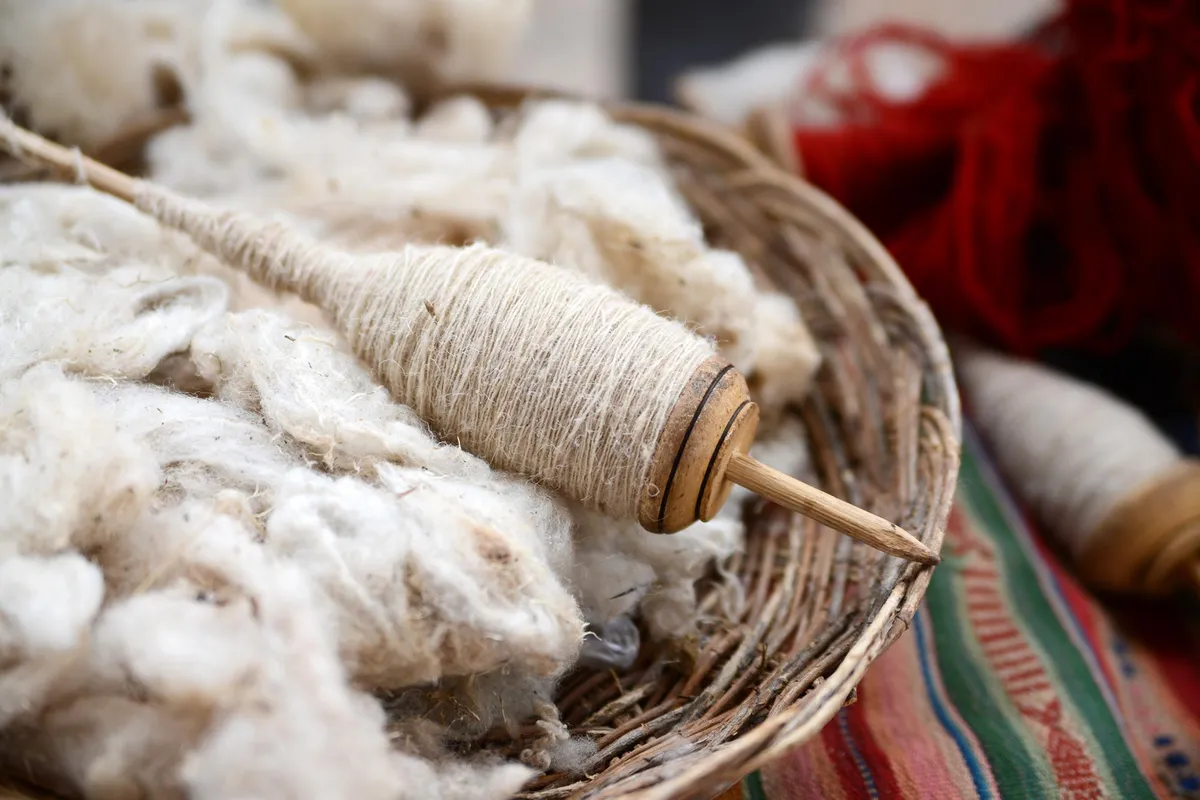
For centuries, wool has been busy keeping us cozy. Now, it seems our fleecy friends have a new gig: fixing broken bones. Scientists at King's College London have discovered that a protein found in wool, called keratin, is surprisingly good at coaxing new bone to grow. And not just any bone — bone that looks suspiciously like the real thing.
Turns out, when they tested this wool-derived material in animals, it didn't just promote growth; it guided it. The resulting bone tissue was more organized, more stable, and generally more impressive than what you get with collagen, the current go-to material for bone repair. Because apparently, even bones appreciate a good structural engineer.
Dr. Sherif Elsharkawy, from King's Faculty of Dentistry, Oral & Craniofacial Sciences, couldn't quite contain his excitement. This marks the first time a wool-based material has successfully repaired bone in a living animal. Which, if you think about it, is both impressive and slightly terrifying for anyone currently wearing a wool sweater.
We're a new kind of news feed.
Regular news is designed to drain you. We're a non-profit built to restore you. Every story we publish is scored for impact, progress, and hope.
Start Your News DetoxAnd as if healing bones wasn't enough, wool also happens to be a remarkably sustainable resource. Farmers often discard it, making keratin a renewable, scalable, and rather eco-chic option for future medical uses. Who knew your grandma's knitting stash held such regenerative power?
The Collagen Conundrum
For years, collagen has been the undisputed champion of bone repair, acting as a handy scaffold to keep soft tissue out of the way while the bone does its thing. But collagen, bless its heart, has its downsides. It's not particularly strong, can break down a bit too quickly, and isn't exactly cheap or easy to come by. Especially when you need to rebuild a bone that's going to bear some weight.
So, the team went looking for alternatives and landed on keratin. They chemically treated the wool protein to create sturdy, stable membranes, essentially crafting tiny bone-building blueprints. They first tested these membranes with human bone cells in the lab, which happily grew and showed all the right signs of healthy development. (Presumably, these cells also appreciated the warmth.)
Next came the real test: rats with skull defects too large to heal on their own. Over several weeks, the keratin scaffolds went to work. While collagen membranes did grow a bit more bone overall, the keratin versions produced bone that was far more organized and stable, with fibers better aligned — much more akin to natural bone. It’s like the collagen grew a pile of bricks, and the keratin built a house.
Even better, the keratin membranes played nice with the surrounding tissues and remained stable throughout the healing process. These aren't just minor details; they're crucial for any material hoping to make the leap from lab bench to actual patient. Dr. Elsharkawy points out that proving this works in a living system brings us significantly closer to a future where your broken femur might just get a little help from a sheep.