Ismail Harerimana grew up in Uganda in the 1990s, often sick with malaria, diarrhea, headaches, and rashes. At 14, he was very thin. Doctors gave him a new medicine, which his father said was for kidney disease. But a classmate with the same prescription told him it was for AIDS.
In the 1990s, hundreds of thousands of babies in Uganda, like Harerimana, were born with HIV. They got the virus from their HIV-positive parents during pregnancy, birth, or breastfeeding. About half of these babies died before their second birthday.
Progress in Prevention
Over the past 30 years, things have changed greatly. In some parts of Uganda, the rate of babies born with HIV has dropped from one in four to fewer than 5,000 new infections each year. This is because Uganda and other countries have improved ways to protect babies. These include regular HIV testing for expectant parents and widely available antiretroviral therapies (ARVs) for those who test positive. ARVs make the virus almost impossible to transmit.
We're a new kind of news feed.
Regular news is designed to drain you. We're a non-profit built to restore you. Every story we publish is scored for impact, progress, and hope.
Start Your News DetoxDoris Macharia, president of the Elizabeth Glaser Pediatric AIDS Foundation, feels hopeful. She says African countries are now focused on finishing the job of eliminating HIV in children.
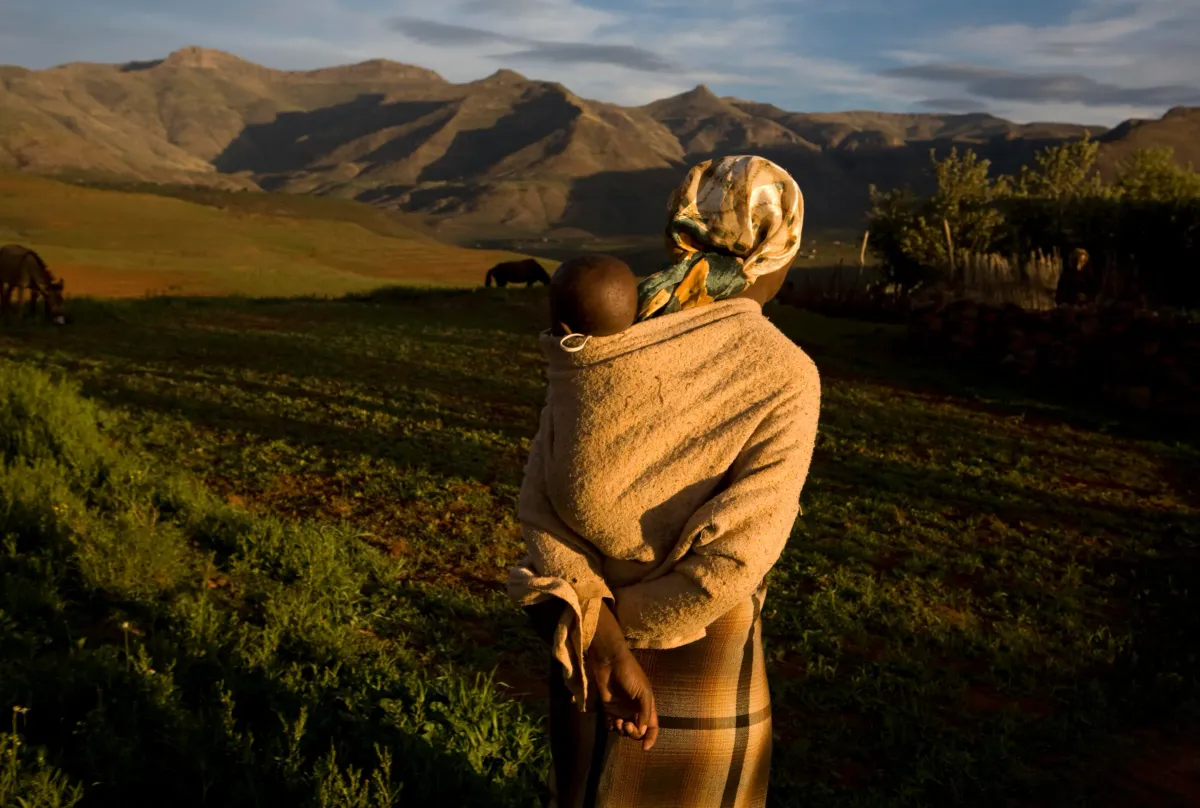
However, about 120,000 children are still newly infected with HIV each year, mostly before or shortly after birth. This accounts for nearly 10% of all new infections, meaning one child every four and a half minutes.
Even with better treatments, many children born with HIV still struggle to get care. About 75,000 children die from AIDS-related causes each year, usually before their fourth birthday. This number might be even higher because many children with HIV are never diagnosed.
Macharia calls reaching these children the "last mile" in preventing childhood HIV. This is the hardest part, especially now. Cuts to foreign aid from the US and other countries have slowed progress and, in some cases, reversed it. UNAIDS predicts that continued aid cuts could lead to 1.1 million more HIV infections in children and 820,000 more deaths between 2024 and 2040.
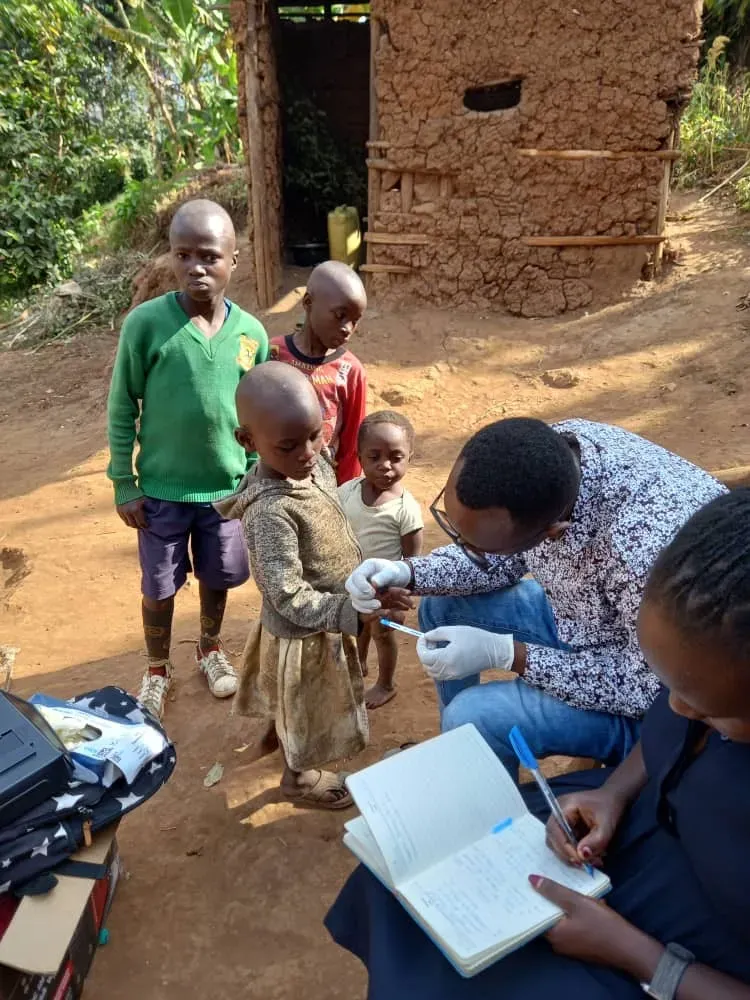
Harerimana, now a community health worker, has seen an increase in babies born with HIV in his town. He says it reminds him of the days when there was no access to medication or research.
How to Prevent Childhood HIV
Many people in the past, including adults, did not know how HIV could spread. There was a strong stigma around HIV, making it hard to correct misunderstandings. In 2016, only 56% of young women in Uganda knew about vertical transmission, which is how most children get HIV. Nearly half of babies born to an HIV-positive parent not on treatment will get the virus.
Florence Riako Anam, co-executive director of the Global Network of People Living with HIV, noted that there wasn't much investment in pediatric HIV treatment because most infected children did not live long.
However, new treatments and discoveries have changed this. The antiretroviral therapy (ARV) Harerimana started as a teenager is now so effective it can almost eliminate HIV from the bloodstream.
In 1994, US researchers found that pregnant people on ARVs had a very low chance of passing the virus to their babies. By 1999, nearly 80% of HIV-positive pregnant people in the US were on ARVs. By 2003, only 1.2% of these parents passed the virus to their children.
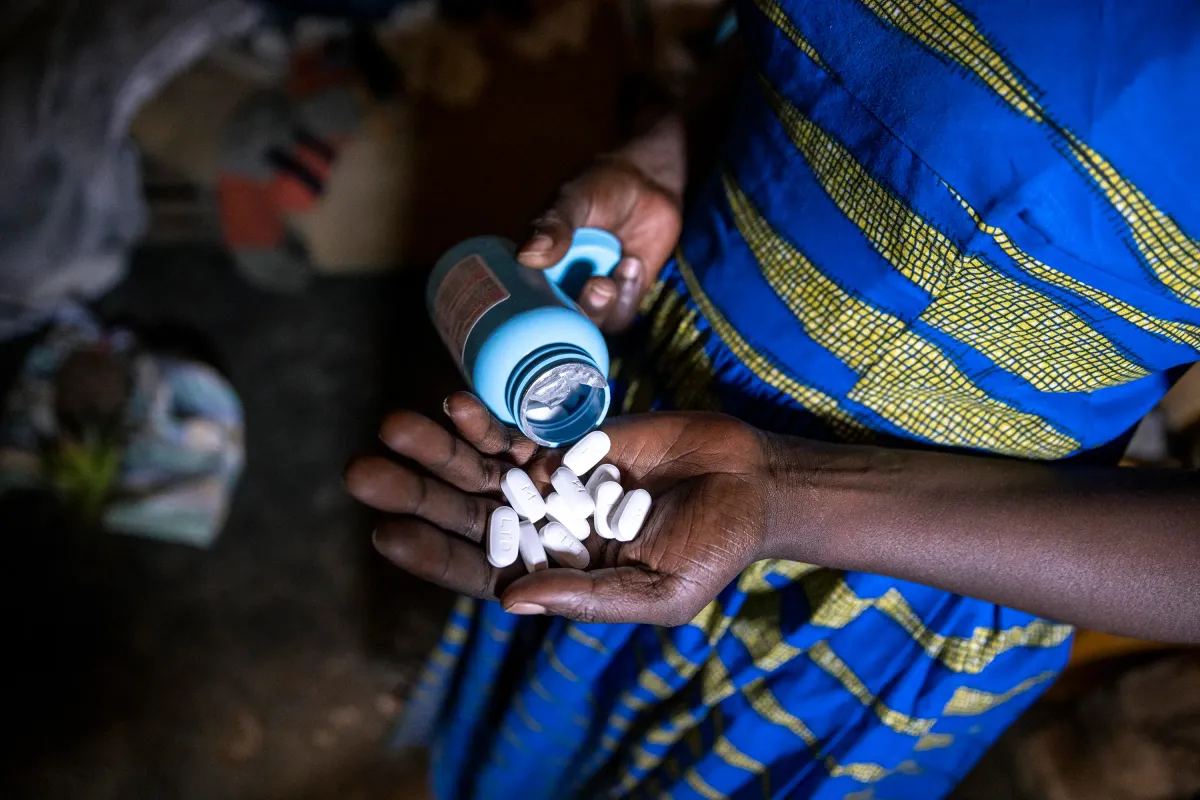
It took years for these drugs to reach most African countries. In 1999, Philippa Musoke, a pediatric infectious disease specialist in Uganda, led a study. It showed that just two doses of the HIV drug Nevirapine, costing $2 per dose, cut the chance of a newborn getting the virus by 50%. More effective "cocktail" drug treatments were available but were very expensive.
Musoke said this showed that a simple treatment could prevent mother-to-child transmission globally. Soon, many countries started free Nevirapine programs, and later, more effective combined drug treatments for pregnant people with HIV.
Botswana was a leader in this effort. In 1999, it became the first African country to offer free HIV drugs to all pregnant women. At that time, one in four women in Botswana had HIV. Today, a young Botswanan woman with HIV has less than a 1.2% chance of passing the virus to her children. Last year, the World Health Organization certified Botswana as the first country with a high HIV rate to eliminate mother-to-child transmissions as a public health threat.
Other countries have also made progress. In Kenya, the number of children newly infected with HIV dropped by 75% between 2003 and 2008. Anam, who tested positive for HIV 26 years ago, said that with treatment advancements, having children safely became an option for women.
The Challenge of Reaching Everyone
Despite progress, hundreds of babies are still born with HIV every day. About one in six pregnant people with HIV are not on treatment. About half of those on treatment do not take it consistently. Their children make up most of the 328 daily infections.
Macharia says that eliminating pediatric HIV is no longer a scientific problem but a delivery and systems problem. It requires more outreach workers, especially peer mentors. These are people living with HIV who help others navigate treatment and prevention.
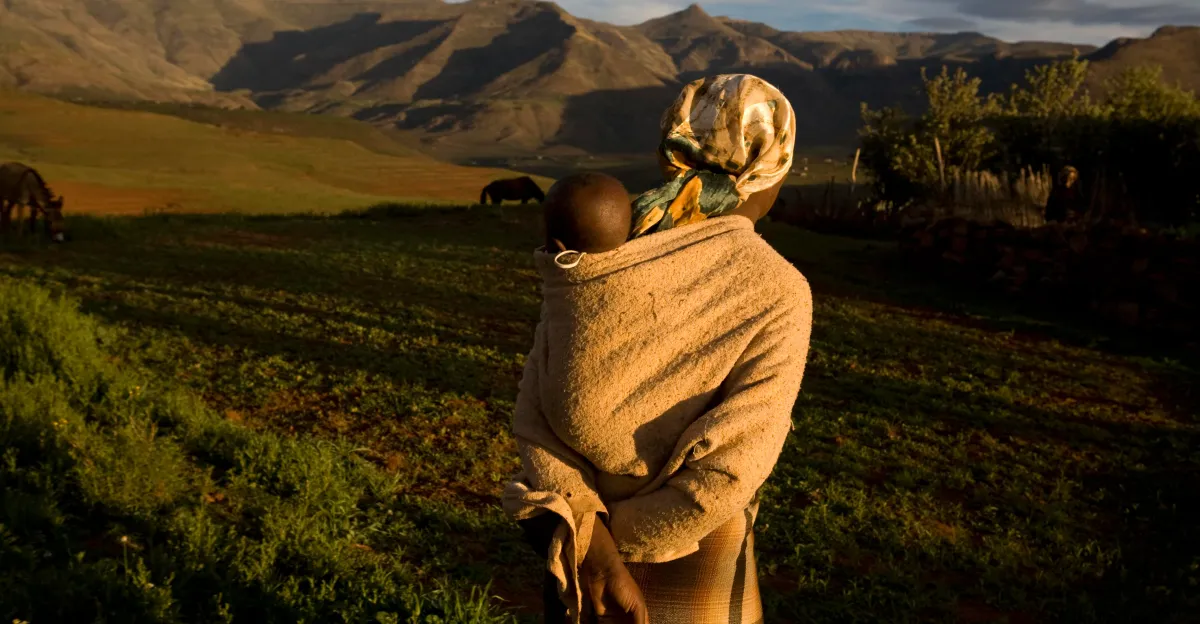
Liako Serobanyane, who tested positive for HIV in 2007 while pregnant, became a mentor mother through Mothers2Mothers in Lesotho. She helps other women because she understands their experiences.
Progress has mainly come from parents who are easier to reach, such as those already getting prenatal care or giving birth in a clinic. However, many parents still have limited access to care. In Nigeria, where one in seven babies with HIV are born, about half of parents give birth at home without a skilled health worker. Mentors like Serobanyane are crucial for reaching these parents.
Macharia emphasizes that "we can't just wait for people to go to the clinic. We have to go to them."
Funding Challenges
Bringing together all these efforts—strengthening delivery systems, hiring more peer mentors, normalizing HIV testing, and encouraging hospital births—is difficult and costly.
Botswana has been able to fund much of its HIV response due to its diamond wealth, covering about 70% of testing, treatment, and outreach costs. Less wealthy countries, like Nigeria, have relied heavily on PEPFAR, the US-funded HIV program that started in 2003. PEPFAR has helped prevent at least 7.8 million babies from being born with HIV over the past 26 years.
While PEPFAR still funds HIV treatment, its support for prevention and outreach has been disrupted. This includes cuts to programs aimed at preventing mother-to-child HIV transmission. Fewer pregnant people will know they need antiretrovirals, and they may not have the resources to prevent the spread.
A senior official from the US State Department, which oversees PEPFAR, said that during this transition, some people might lose access to community services. The official stated that the US still cares about preventing mother-to-child transmission but has shifted to bilateral agreements that require countries to partially fund their own way.
Josephine Nabukenya, an advocate born with HIV in the 1990s, agrees that countries taking more ownership of their healthcare systems is good in the long run. However, she believes it should be a phased approach to avoid leaving parents and children without support.
This has not been the case so far. Mothers2Mothers, which trains HIV-positive mothers as peer health mentors, lost most of its funding last year. They closed offices in four countries and laid off hundreds of workers, cutting off outreach services for 450,000 people.
Serobanyane, based in Lesotho, is one of only two mentor mothers in her district, down from six. She worries about mothers whose treatment or testing she can no longer follow closely due to funding cuts.
Mpolokeng Mohloai, director of Mothers2Mothers in Lesotho, says that while the government might eventually absorb the mentor mother model, it is "not yet ready to absorb it all."
UNAIDS warns that if US-funded HIV programs are not adequately replaced, up to 1.7 million more children could die from AIDS-related causes by 2040. This would be a major setback.
Macharia states that "every child that is infected with HIV is unacceptable."
Harerimana lost his job as a community health worker last year due to aid cuts. He continues to work without pay, supporting children and parents. He has seen children getting infected with HIV again through mother-to-child transmission. He believes that by the time the system stabilizes, the world will see the full impact of the aid cuts.