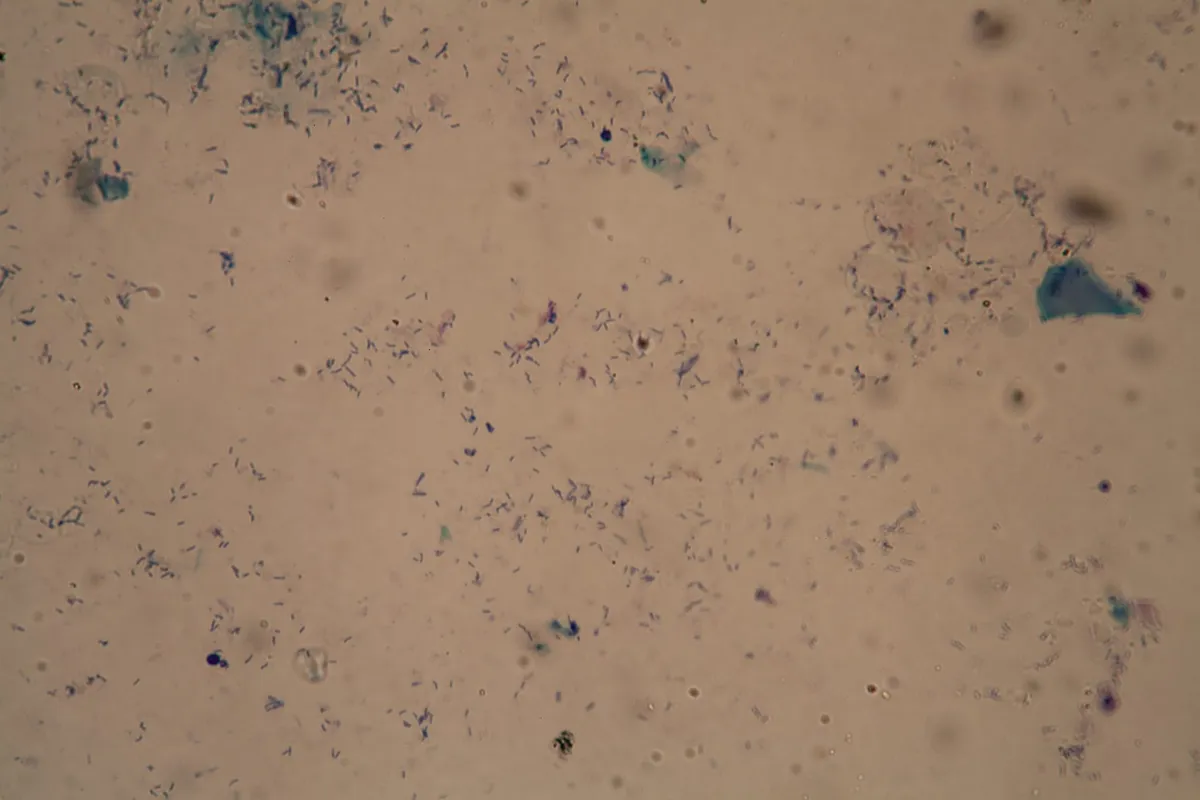
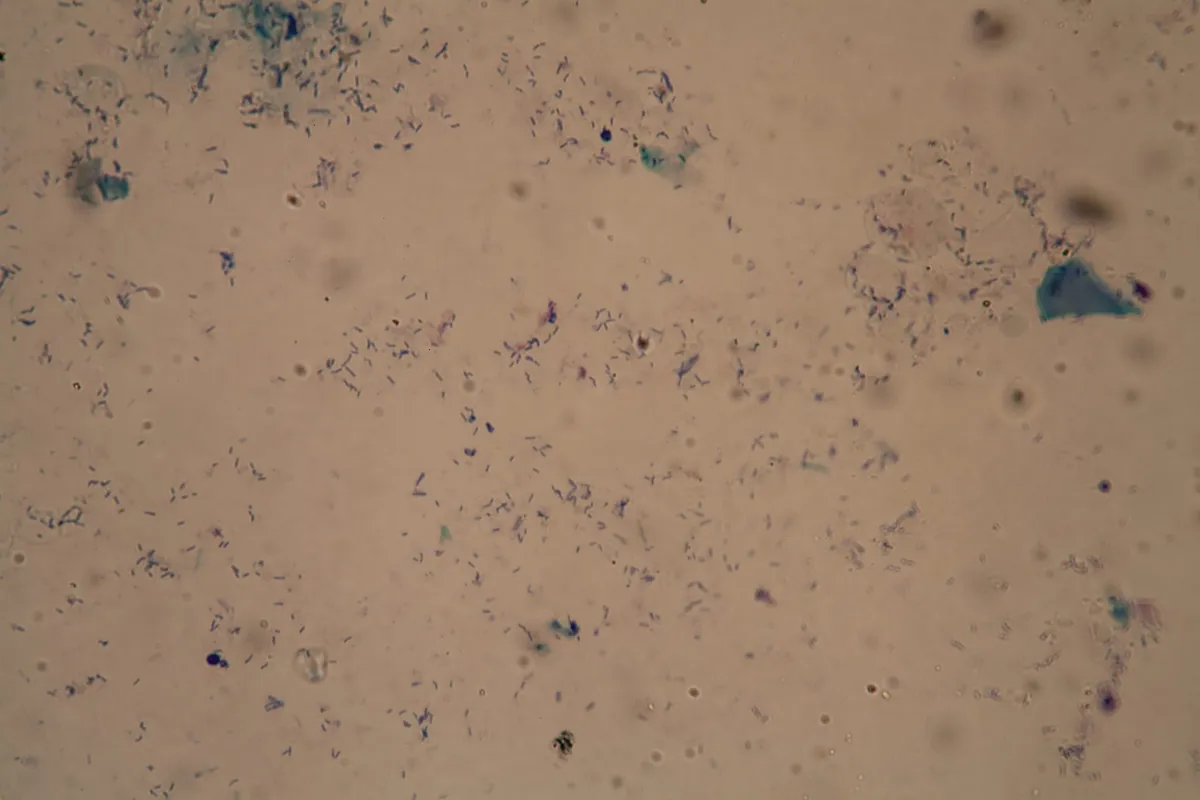
Tuberculosis has held the grim title of the world's deadliest infectious disease for far too long, claiming over a million lives annually. For a century and a half, the go-to diagnostic method involved peering at a phlegm sample through a microscope. Yes, since the 1880s. Let that sink in.
This vintage approach has more holes than Swiss cheese. Children, the elderly, or those already weakened often can't produce a sample. And when they can, the test misses about half of all actual TB cases. Getting tested often means a multi-clinic odyssey. Dr. Adithya Cattamanchi, a lung specialist, observed that in Uganda, patients typically make three to five visits before getting a diagnosis. By then, weeks or months have passed, and the disease has been busy spreading.
The New Kid on the Block
Enter the MiniDock MTB, a portable device from Chinese company Pluslife that's ready to send those microscopes into retirement. It handles phlegm samples, sure, but here's the kicker: it also works with a simple tongue swab if phlegm isn't an option. The device heats and spins the sample, then hunts for TB DNA. It costs $300, with each test running a cool $3 to $4.
We're a new kind of news feed.
Regular news is designed to drain you. We're a non-profit built to restore you. Every story we publish is scored for impact, progress, and hope.
Start Your News DetoxA new study in the New England Journal of Medicine put the MiniDock MTB through its paces, testing nearly 1,400 patients across seven countries in Africa and Asia. Both phlegm and tongue swab samples hit the World Health Organization's (WHO) accuracy targets. The WHO, clearly impressed, had already recommended the test a month before the study even dropped. Which, if you think about it, is both impressive and slightly terrifying for the study authors.
Cattamanchi, who co-authored the study, hopes this means high-quality TB testing will finally reach more people. Alfred Andama, a microbiologist in Uganda, points out that earlier detection not only helps individuals but also slams the brakes on transmission. Plus, it reduces the risk of TB becoming drug-resistant before treatment even starts – a critical win.

The Unexpected Silver Lining of a Pandemic
Believe it or not, the COVID-19 pandemic played a surprising role in the MiniDock MTB's development. The sudden, massive influx of funding and research into rapid, swab-based diagnostics for COVID-19 created a tidal wave of innovation that TB hadn't seen in, well, 150 years. Pluslife and others then repurposed these molecular methods for tuberculosis. Because apparently that's where we are now: global pandemics accidentally spurring breakthroughs for other diseases.
Of course, it's not a magic wand. Lucica Ditiu, executive director of the Stop TB Partnership, notes it might miss very early-stage cases with low bacterial loads. And it can't differentiate between standard TB and drug-resistant strains, which is crucial for treatment planning and still requires a separate test.
But Cattamanchi remains optimistic. He's seen patients trek to five different clinics just to get tested. He hopes that after more than a century and a half, microscopes will finally move to the diagnostic sidelines. His vision: everyone with TB symptoms getting a high-quality molecular test. "I think we're closer to that today than we've ever been before," he says. And honestly, that's a future worth swab-testing for.