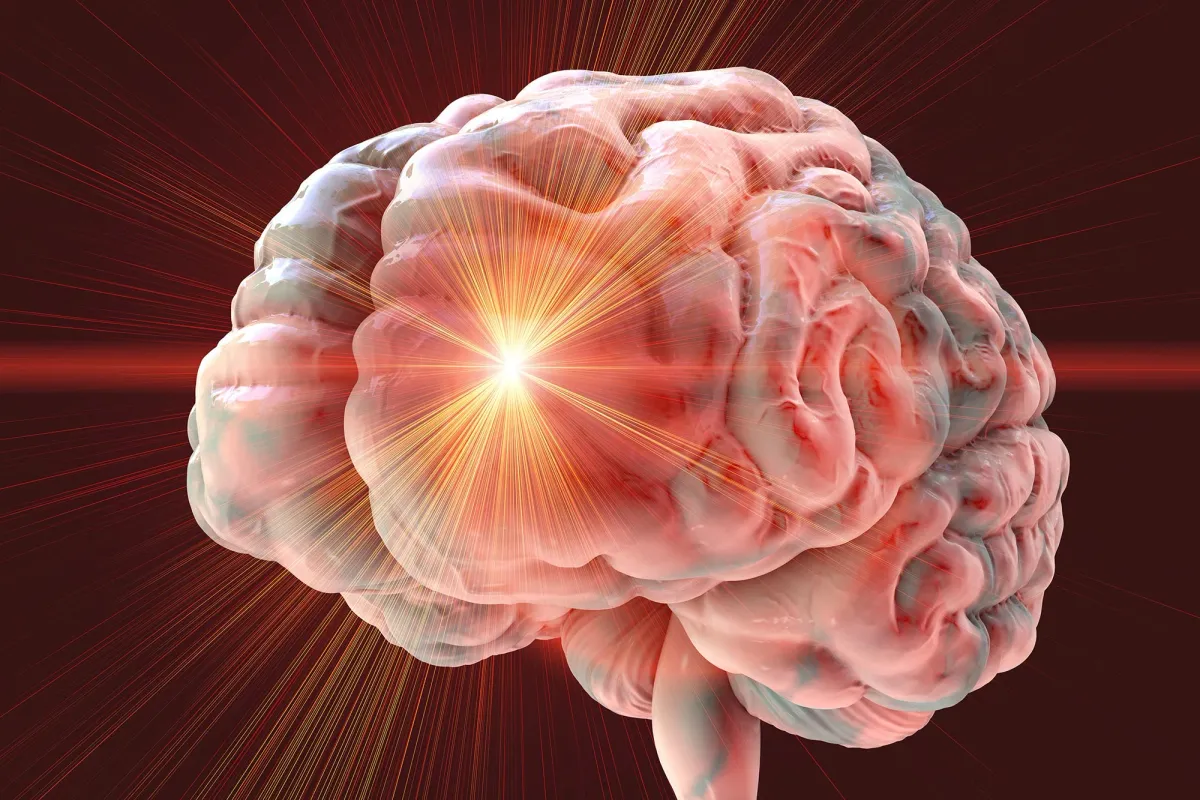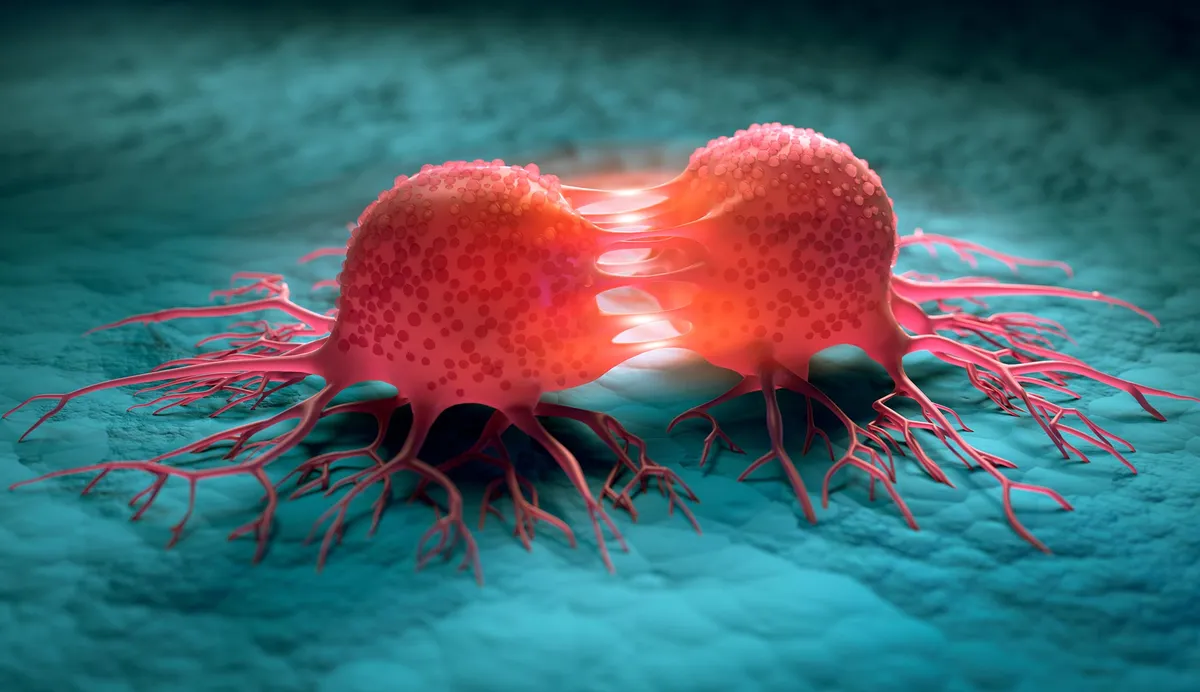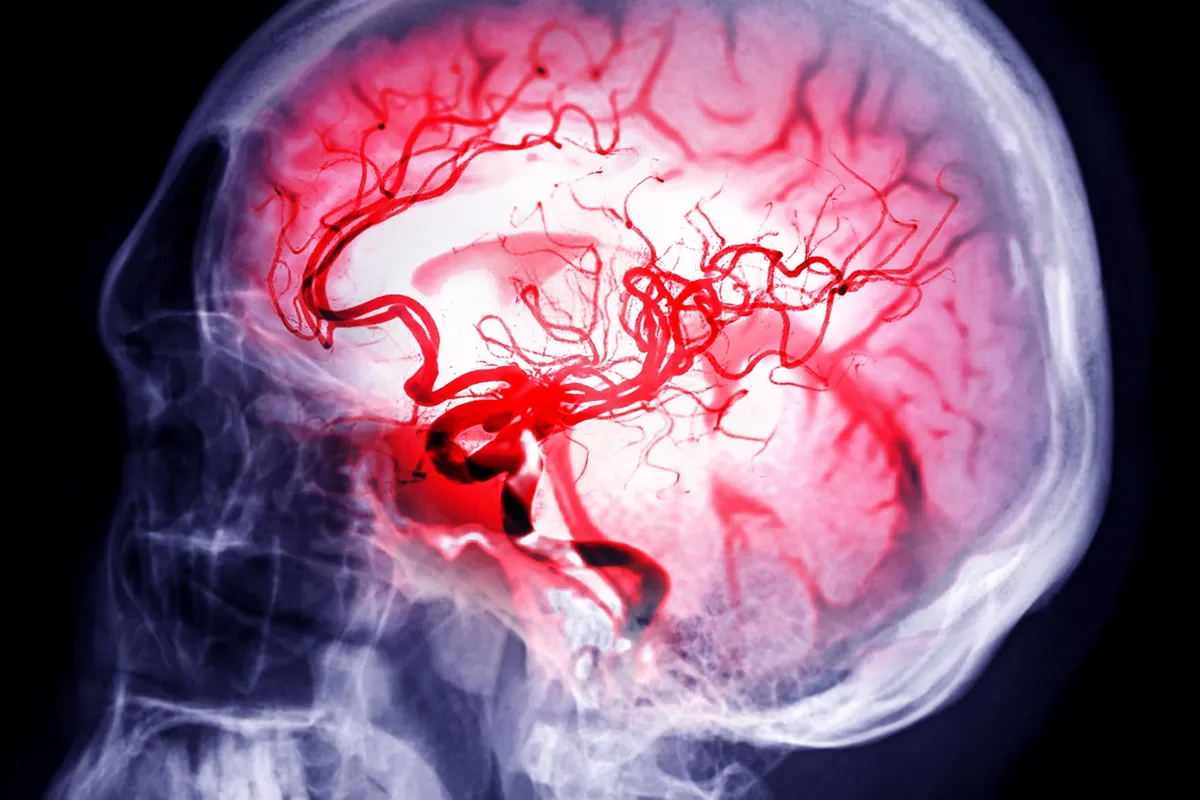
Glioblastoma: the brain cancer that sounds like a sci-fi villain and acts like one, too. It's aggressive, common in adults, and generally gives patients about a year post-diagnosis. Its superpower? Growing fast and shrugging off most treatments. But what if the secret weapon against it has been hiding in plain sight, in a place no one expected?
Enter testosterone. Yes, that testosterone. A new study out of Cleveland Clinic, backed by the NIH, has dropped a bombshell: this hormone, often associated with things getting bigger, might actually slow down glioblastoma growth. Which is particularly wild, considering men are more prone to this specific brain beast.
The Brain's Delicate Dance with Hormones
For years, scientists figured male hormones might just be adding fuel to the glioblastoma fire, given its higher prevalence in men. Makes sense, right? But the brain, being the notoriously picky organ it is, has its own set of rules. It’s got a bouncer for immune cells and a whole separate security system.
We're a new kind of news feed.
Regular news is designed to drain you. We're a non-profit built to restore you. Every story we publish is scored for impact, progress, and hope.
Start Your News DetoxTurns out, when researchers lowered androgen hormones (which include testosterone) in a glioblastoma model, the tumors actually threw a party and grew faster. This happened because the brain's stress response system—the hypothalamus-pituitary-adrenal (HPA) axis—went into overdrive, causing more inflammation and stress hormones to flood the zone.
Dr. Justin Lathia, lead author and professor at Cleveland Clinic, explained that the brain is a delicate flower. It prefers to avoid the kind of full-on immune brawl you might see in other parts of the body. Androgens, it seems, help keep this protective system in check.
When androgen levels dropped, the HPA axis overstimulated, pumping out stress hormones. These hormones then told certain cells to beef up the brain's protective barriers. Which sounds good, until you realize those stronger barriers also meant fewer immune cells could actually reach the tumors. The result? Cancer cells throwing their own little victory parade, unchecked.
The Human Connection
This isn't just a mouse-sized mystery. The team crunched data from over 1,300 men with glioblastoma. The finding? Men who were already getting extra testosterone therapy for other reasons had a 38% lower risk of death. Let that satisfying number sink in. It aligned perfectly with their lab findings, making Dr. Anthony Letai of the NIH's National Cancer Institute call it a "welcome surprise." Because, apparently, even deadly cancer research can have silver linings.
Now, while this doesn't mean you should start chugging testosterone shots, it does mean clinical trials are the clear next step. And for those undergoing androgen deprivation therapy for other cancers, Dr. Lathia notes it's worth asking if that treatment might inadvertently be doing glioblastoma patients a disservice. Because sometimes, the obvious answer is the wrong one, and the real hero wears a surprising cape.