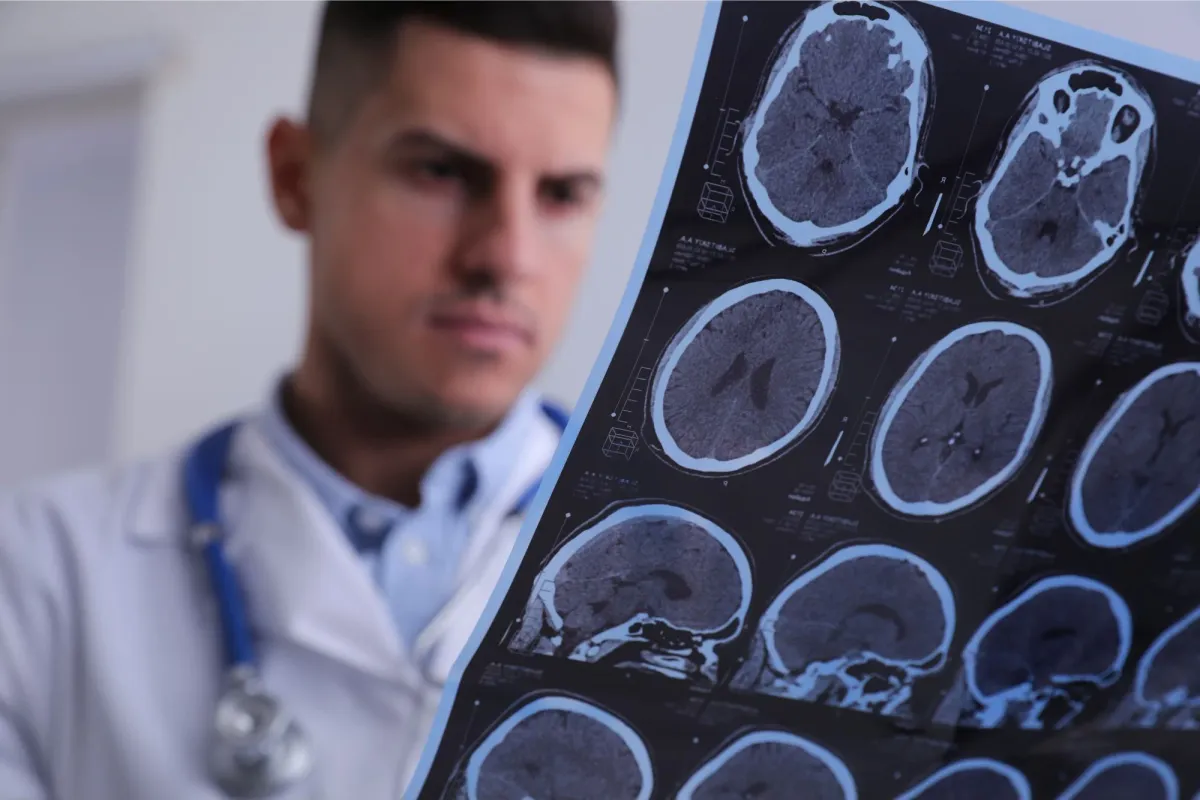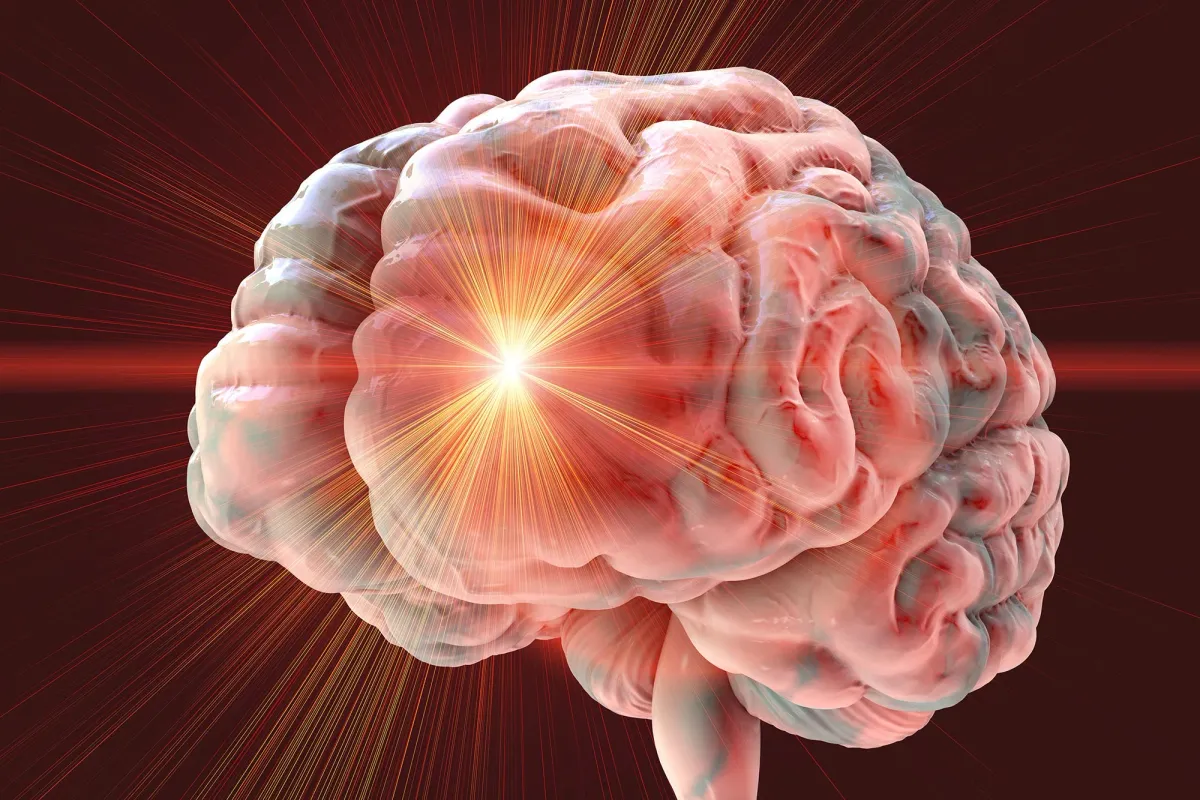
Scientists have found that transplanted stem cells might do more than just survive after a stroke. A new stem cell treatment helped mice recover from strokes. It rebuilt damaged brain connections, restored blood vessels, and improved movement.
This research comes from the University of Zurich and the University of Southern California. These findings offer hope that future treatments could repair stroke damage once thought to be permanent.
Rebuilding the Brain After Stroke
Stroke is a leading cause of long-term disability worldwide. When blood flow to part of the brain stops, cells die quickly from lack of oxygen. Unlike other body parts, the brain struggles to replace lost tissue. This leaves many stroke survivors with lasting paralysis, speech issues, or memory loss.
We're a new kind of news feed.
Regular news is designed to drain you. We're a non-profit built to restore you. Every story we publish is scored for impact, progress, and hope.
Start Your News DetoxResearchers have long sought ways to help the brain heal itself. In this study, they used neural progenitor cells. These are early-stage cells that can become different types of brain tissue. They were made from induced pluripotent stem cells, which are adult human cells reprogrammed to act like stem cells.
The team put these cells into the brains of mice one week after a stroke. This timing was key. Earlier transplants did not survive well because the brain was still inflamed and full of toxic signals. Waiting a few days allowed conditions to stabilize, helping the transplanted cells take hold.
What happened next was a surprise.
New Connections and Improved Blood Flow
Over five weeks, the transplanted cells survived and spread. They matured mostly into working neurons. Many became GABAergic neurons. These are special cells that help control brain activity and are often lost after a stroke. They are vital for balancing brain signals and coordinating movement.
The new neurons did not just sit there. They seemed to communicate with nearby cells. This communication involved molecular signals linked to neural growth and tissue repair. Researchers found several pathways involved, like neurexin and neuregulin signaling. These pathways help rebuild neural networks.
The stem cell treatment also seemed to trigger a wider healing response in the injured brain. Mice with transplants grew more blood vessels near the stroke site. This improved blood flow to the damaged tissue. The treatment also lowered inflammation and strengthened the blood-brain barrier. This barrier protects the brain from harmful substances in the blood. Damage to it can cause swelling and further injury after a stroke.
Researchers also saw more nerve fibers growing around the damaged area. Some transplanted neurons sent long projections into areas that control movement and senses. This suggests the new cells might be connecting into existing brain circuits.
Better Movement and Future Hopes
To see if these changes led to real recovery, scientists used AI to track how the mice walked. Stroke usually affects coordination and gait. Mice treated with stem cells slowly regained smoother movement. They also did better on balance and fine-motor tasks than untreated mice.
The recovery was most noticeable weeks after the transplant. This suggests the therapy could offer long-term repair, not just short-term benefits.
Christian Tackenberg from the University of Zurich said their findings show that neural stem cells not only form new neurons but also start other repair processes.
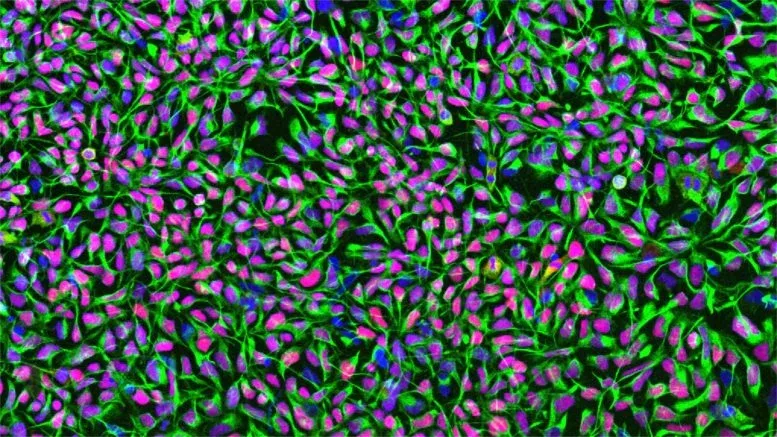
The study also looked at safety. The neural progenitor cells were made using animal-free methods, designed for future use in people. Researchers are now working on "safety switches." These could turn off transplanted cells if they grow abnormally.
Another goal is to make the treatment less invasive. In these experiments, cells were put directly into the brain. Scientists are now exploring if stem cells could be delivered through blood vessels instead. This is similar to how some stroke procedures are already done.
Some stem cell therapies are already in early human trials for diseases like Parkinson's. Stroke could be one of the next major targets.
Remaining Challenges
There are still important steps ahead. The experiments used genetically modified mice whose immune systems would not reject human cells. Researchers also need to prove that the transplanted neurons fully connect into human-like brain networks over time.
Tackenberg noted that risks need to be minimized and the application in humans simplified. He believes stroke could be one of the next diseases for which a clinical trial becomes possible.
Deep Dive & References
- Neural xenografts contribute to long-term recovery in stroke via molecular graft-host crosstalk - Nature Communications, 2025