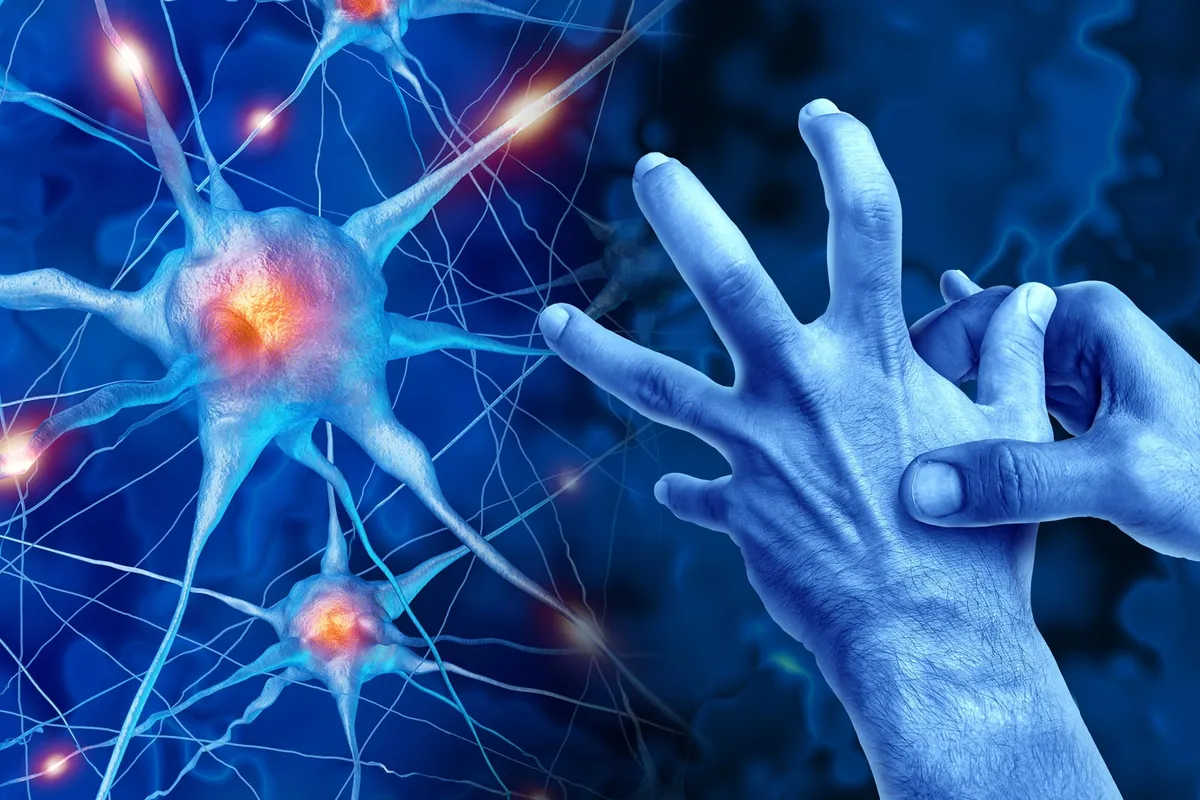
Multiple Sclerosis, the relentless neurological disorder affecting nearly three million people globally, has a particularly cruel trick: it attacks the protective coating around your nerve cells, called myelin. This isn't just an inconvenience; it's a full-blown assault that disrupts signals in your brain and spinal cord, leading to blurred vision, fatigue, and mobility issues. And until now, every treatment has focused on slowing the attack, not fixing the damage.
Imagine your phone's screen protector getting scratched, then shattered, and all you can do is try to stop more scratches. That's been the reality for MS patients. But now, two experimental drug molecules have shown promise in actually repairing that crucial myelin. This isn't just good news; it's a potential paradigm shift.
The Brain's Own Sabotage
For years, researchers have tried to kickstart remyelination – the process where damaged myelin regrows. But the central nervous system, particularly in later stages of MS, seems to actively block these repair efforts. It's like your body throwing up a "Do Not Disturb" sign on its own healing process. All previous drug candidates for repair have failed.
We're a new kind of news feed.
Regular news is designed to drain you. We're a non-profit built to restore you. Every story we publish is scored for impact, progress, and hope.
Start Your News DetoxEnter Tapani Koppinen and his team, who identified two distinct ways to get around this biological stubbornness. Both strategies, while different, achieved similar results: strong remyelination and reduced neuroinflammation in animal and cell models of MS.
The first approach targets an overactive stress response in brain cells. In areas damaged by MS, this response essentially tells repair-promoting cells to take a break. By blocking this mechanism, remyelination not only increased but also happened faster. Think of it as finally getting the brain to stop getting in its own way. This work landed in Molecular Therapy.
The second strategy tackles the physical scar tissue that forms around damaged areas, which literally acts as a roadblock to nerve repair. By tweaking the makeup of this scar tissue with another drug molecule, researchers managed to promote neuronal recovery. This particular breakthrough was published in Neuropharmacology.
From Lab Bench to Bedside
Now, before we all start popping champagne corks, these findings are from lab animals and cell models. Human MS is a more complex beast, and these drugs will need rigorous testing in people. There's also the formidable blood-brain barrier, which is notoriously picky about what it lets into the brain. But the good news? Researchers confirmed both molecules did reach the central nervous system in lab animals. Let that satisfying detail sink in.
Koppinen is optimistic these molecules could move to clinical trials, potentially leading to the first drugs that actively enhance remyelination in MS. Which, if you think about it, is both impressive and slightly terrifying that we've waited this long for something that fundamentally repairs instead of just mitigates. But hey, better late than never.