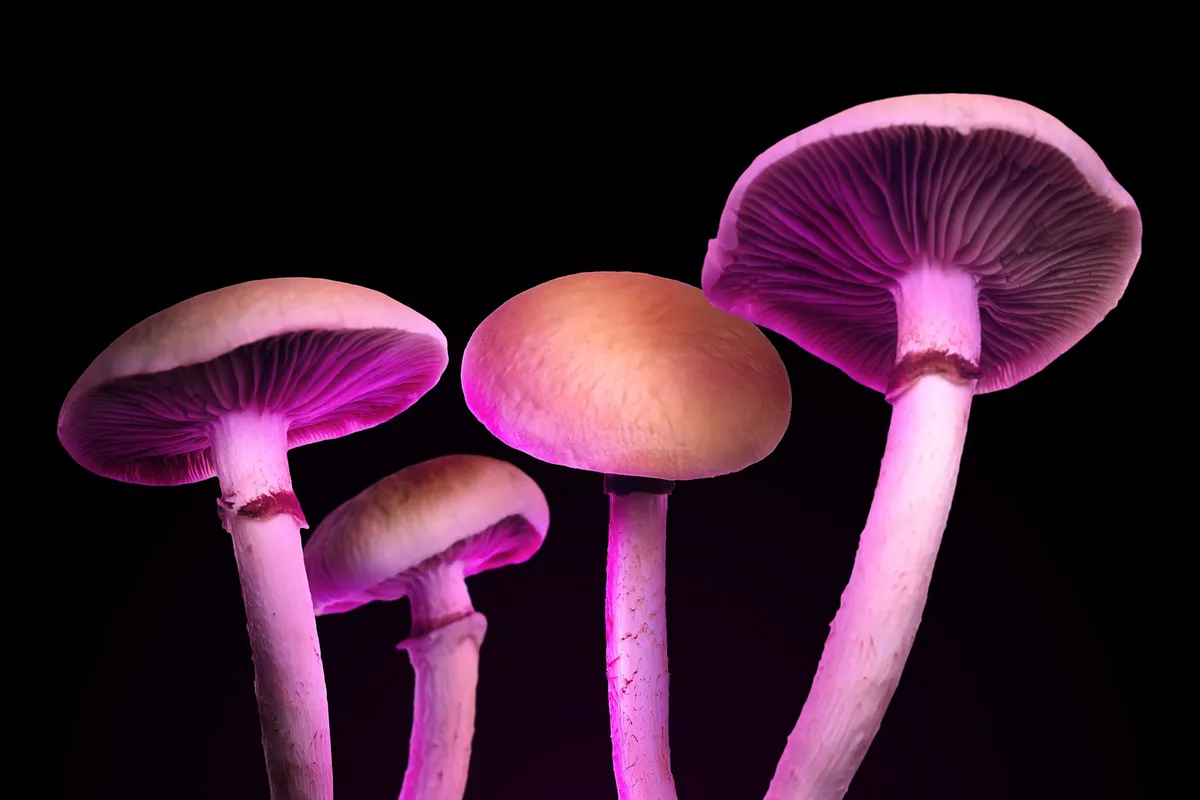
Apparently, a good trip isn't just in your head. New research from UC San Francisco and Imperial College London suggests that a single dose of psilocybin — the active ingredient in magic mushrooms — can cause measurable physical changes in the human brain, and these stick around for up to a month. Suddenly, the idea of 'mind-altering' takes on a whole new, literal meaning.
The study, published in Nature Communications, looked at healthy volunteers who'd never dabbled in psychedelics before. The goal? To figure out how psilocybin helps with things like depression, anxiety, and addiction, beyond just the immediate experience.
Your Brain on Shrooms: Now With More Options
Researchers found that psilocybin temporarily cranks up something called 'brain entropy.' Think of it as your brain suddenly having a wider, more varied playlist of activity instead of just the same old five songs on repeat. This burst of neural novelty was directly linked to greater psychological insight — that 'aha!' moment where things just click.
We're a new kind of news feed.
Regular news is designed to drain you. We're a non-profit built to restore you. Every story we publish is scored for impact, progress, and hope.
Start Your News DetoxHigh doses of psilocybin sent brain entropy soaring for hours. And here's the kicker: the bigger the brain's entropy boost, the more emotional insight people reported the very next day. Those insights? They translated to better overall well-being a month later. So, the psychedelic experience itself isn't just a side effect; it's the main event.
Robin Carhart-Harris, a senior author from UCSF, pointed out that 'psychedelic' literally means 'psyche-revealing.' Which, if you think about it, is a pretty accurate description for a substance that literally helps your brain reveal new pathways to itself.
To get this data, the team hooked up 28 participants (all blissfully free of mental health conditions) to various brain imaging machines before, during, and a month after their psychedelic journey. This allowed for some serious before-and-after comparisons.
First, everyone got a tiny 1-milligram psilocybin dose — basically a placebo. Then, the scientists watched their brains with EEG and checked in on their well-being and thinking skills for weeks. A month later, came the main event: a full 25-milligram dose, enough for a proper psychedelic experience. More brain scans. More check-ins. Because science.
Within an hour of the full dose, EEG scans showed that glorious spike in brain entropy. Your brain, processing all the information.
The Long-Term Rewiring
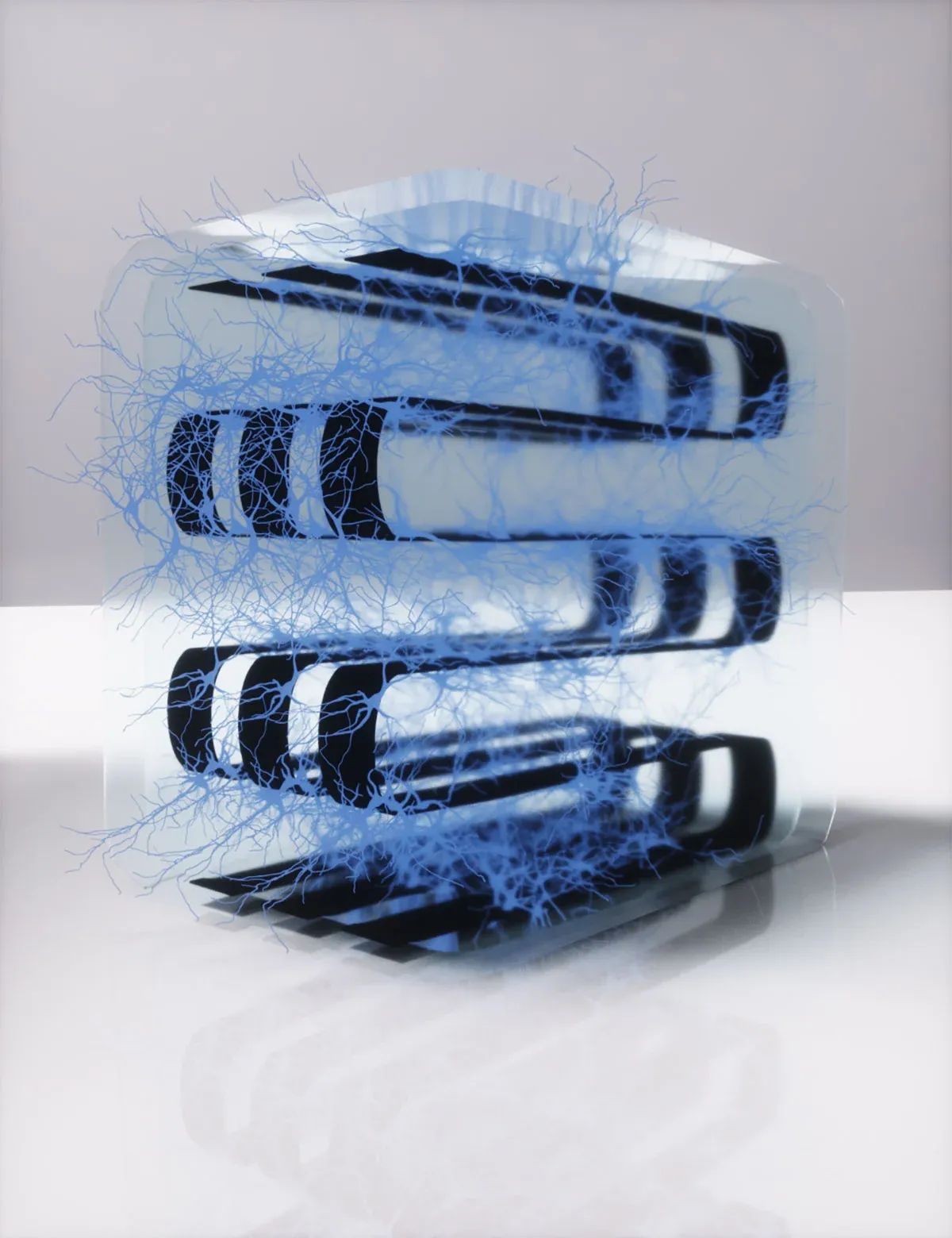
But here's where it gets truly wild: a month later, DTI scans showed that the neural pathways in the participants' brains were actually denser and more organized. Let that sink in. Aging usually makes these pathways less organized. Psilocybin, it seems, is tidying up the neural furniture.
While more studies are needed to fully unpack these structural renovations, it’s a compelling new piece of evidence that psychedelics aren't just messing with your mind; they're physically altering it. And in a good way, apparently.
The day after their 25-milligram dose, 27 out of 28 participants called it the most unusual state of consciousness they'd ever experienced. The last one ranked it in their top five. Which, frankly, speaks volumes.
Participants also reported significantly greater psychological insight and better well-being weeks later, citing optimism and improved problem-solving skills. They even performed better on cognitive flexibility tests a month after the study. Because who doesn't want a more flexible brain?
Taylor Lyons, lead author from Imperial College London, summed it up: psilocybin seems to 'loosen up' those rigid, usual brain activity patterns, allowing people to rethink old thought patterns. And the fact that these changes are linked to insight and better well-being? That's genuinely exciting.
So, it seems the bigger your brain’s entropy spike during the trip, the more likely you are to walk away with profound insights and improved mental well-being. It suggests that the 'trip' itself, and the brain changes it instigates, are the engine driving the long-term benefits. We knew psilocybin could help, but now we have a much clearer picture of how your brain decides to get with the program.