Turns out, you can teach an old cell new tricks. Or, rather, make it forget its age entirely. Scientists at Mount Sinai have discovered a way to rewind the clock on old blood stem cells in mice, essentially making them act young again. The secret sauce? Fixing tiny, overworked cellular recycling centers called lysosomes.
This isn't just about feeling spry; it's a major step towards new anti-aging and regenerative treatments. The research, published in Cell Stem Cell, points to lysosome malfunction as a prime suspect in stem cell aging. Get those little recyclers back in shape, and suddenly, old stem cells remember how to pump out fresh blood and immune cells.
The Cell's Overwhelmed Recycling Plant
Think of lysosomes as your cell's personal waste management system. They break down cellular junk — old proteins, fats, all the bits and bobs that accumulate. They also store nutrients. Basically, they're the unsung heroes keeping everything tidy and balanced inside your cells. When they falter, things get messy.
We're a new kind of news feed.
Regular news is designed to drain you. We're a non-profit built to restore you. Every story we publish is scored for impact, progress, and hope.
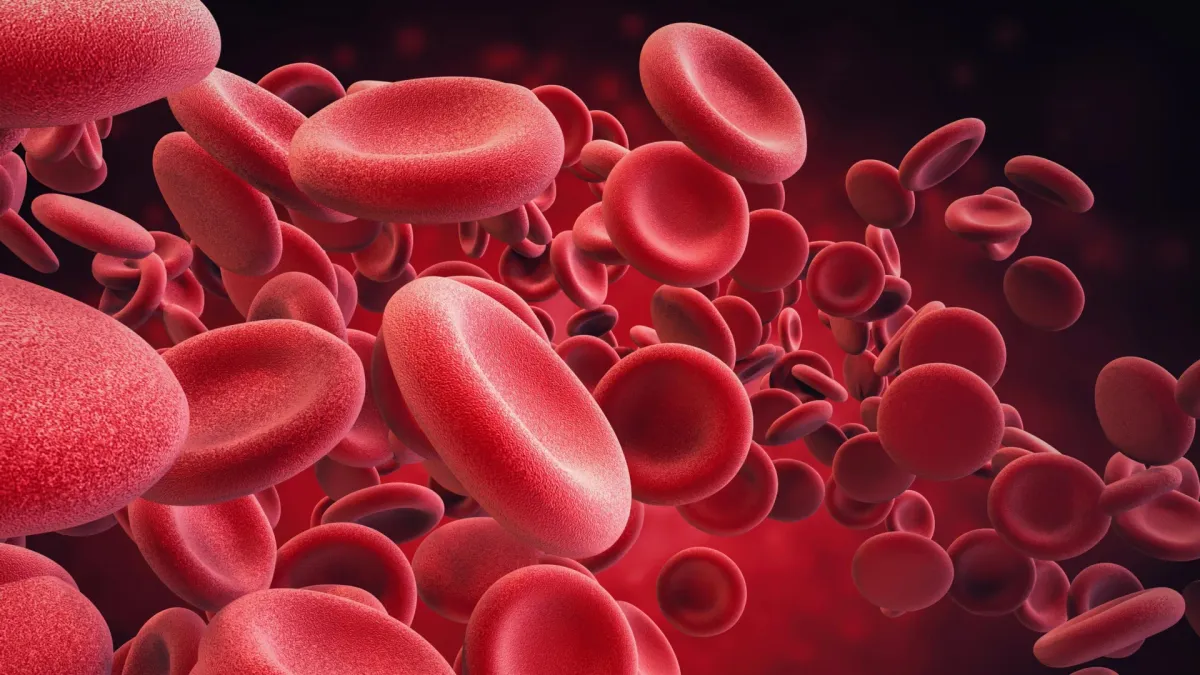
Start Your News DetoxThe team, led by Dr. Saghi Ghaffari, focused on hematopoietic stem cells (HSCs). These are the rare, powerful cells in your bone marrow responsible for generating all the blood and immune cells in your body. And, like us, they start to show their age.
As we get older, HSCs lose their regenerative mojo. This makes seniors more susceptible to infections and is linked to clonal hematopoiesis — a condition that significantly ups the risk of blood cancers and inflammatory diseases. The average age for a cancer diagnosis is 67, and age is a major risk factor, according to the American Cancer Society. So, those aging HSCs? They're not just slow; they're a liability.
A Youthful Reboot
The researchers discovered that in old HSCs, lysosomes become overly acidic, damaged, and work too hard. This hyperactivity throws the entire stem cell system out of whack. But here's the clever bit: by blocking this excessive lysosomal activity, they could restore the lysosomes' health. And with healthy lysosomes came rejuvenated stem cells.
After treatment, these old-timer stem cells started behaving like their youthful counterparts. They regenerated effectively, churned out balanced blood and immune cells, and even created more healthy stem cells. Plus, they showed better metabolism, less inflammation, and fewer of those harmful signals that can damage tissues. It’s like they got a full system reset. Dr. Ghaffari put it plainly: aging in blood stem cells isn't a one-way street. They can return to a youthful state. Slow down those overzealous lysosomes, reduce their acidity, and suddenly, stem cells are healthier, making new, balanced blood cells and stem cells far more effectively.
They even treated old stem cells outside the body with a lysosomal inhibitor. The result? Their ability to form blood in living animals increased by more than eight times. Let that satisfying number sink in. This also tamped down harmful inflammation, likely because healthier lysosomes were better at processing mitochondrial DNA, which then quieted a key inflammatory pathway.
The Future of Not-So-Old Blood
These findings could pave the way for entirely new strategies to prevent or even reverse age-related blood disorders. Imagine better stem cell transplants for older patients or souped-up gene therapies. Dr. Ghaffari emphasizes that lysosomal problems are a central culprit in stem cell aging. Targeting this pathway could keep our blood and immune systems robust well into our golden years, reduce the risk of age-related blood disorders, and — who knows — maybe even nudge the needle on overall aging itself. They’re now investigating if these lysosomal issues in aging stem cells are also playing a role in cancer development. Because apparently, that's where we are now: making old cells young again, one recycling plant at a time.