A trip to Mars sounds like a sci-fi dream, but it's also a nightmare of cosmic radiation, bone-melting microgravity, and an isolation so profound it could make a hermit reconsider their life choices. The solution? Get there faster. Which is exactly what NASA's latest engine test aims to do.
Meet the lithium-fed magnetoplasmadynamic (MPD) thruster: an experimental ion engine that just flexed its muscles at 25 times the power of NASA's current best operational model. Because apparently that's where we are now — strapping what sounds like a sci-fi weapon to a spaceship.
Now, ion engines are known for their slow-and-steady wins the race approach. They provide continuous, low thrust, gradually building up incredible speeds over months or even years. NASA's Psyche spacecraft, for instance, will take over two and a half years to hit its top speed of 124,000 miles per hour. Great for deep space probes; not so much for astronauts who prefer to arrive before their food rations expire.
We're a new kind of news feed.
Regular news is designed to drain you. We're a non-profit built to restore you. Every story we publish is scored for impact, progress, and hope.
Start Your News DetoxSo, why bother with ion engines if traditional chemical rockets can reach Mars in a mere seven months? Because this new MPD thruster isn't playing by the old rules. It's designed to pair with a nuclear electric propulsion system, a combo that could dramatically slash travel times to the Red Planet.
The Atomic Power-Up
The idea for MPD thrusters has been floating around since the 1960s. The catch? They demand an absurd amount of power — more than solar arrays can reasonably provide. But nuclear power? That changes the game. While traditional ion thrusters use electric fields and xenon ions, MPD engines blast lithium plasma using high currents and magnetic fields. NASA's new model specifically vaporizes lithium metal and then supercharges it.
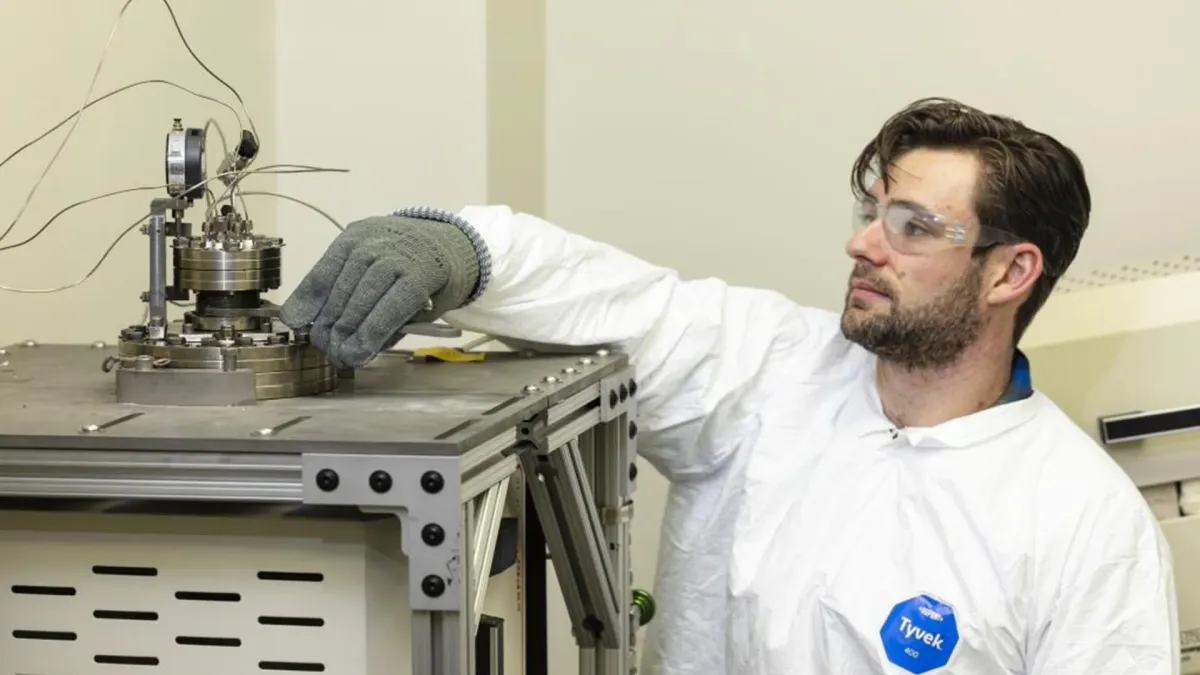
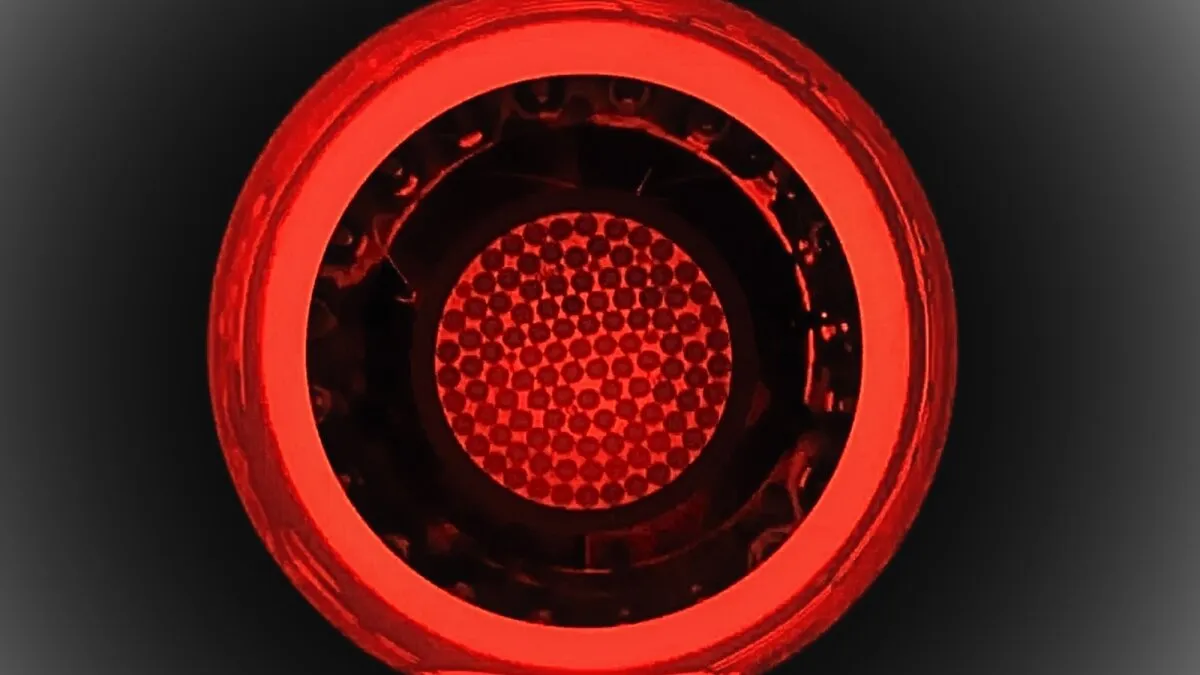
On February 24, 2026, engineers at the JPL Electric Propulsion Lab fired up the thruster five times in a special vacuum chamber. The central tungsten electrode glowed with the intensity of a thousand suns (or, more precisely, over 5,000 degrees Fahrenheit), hitting power levels up to 120 kilowatts. That's a serious upgrade from the Psyche spacecraft's thrusters.
NASA chief Jared Isaacman called it a major step for human Mars missions, noting it's the first time a U.S. electric propulsion system has operated at such high power. They're eyeing 1 megawatt in future tests, with a full human mission potentially needing 2 to 4 megawatts — meaning a few of these bad boys working in tandem. Which, if you think about it, is both impressive and slightly terrifying.
Of course, there are always a few kinks to iron out. Running hardware at extreme temperatures for extended periods and tackling electrode erosion are next on the list. But after two years of design and construction, the team is understandably chuffed. Senior research scientist James Polk called it a "huge moment," confirming they hit their power targets and now have a solid foundation to scale up.
Ion thrusters already use 90% less fuel than chemical rockets. Marry that with nuclear power and the MPD thruster, and you've got a recipe for higher speeds with significantly less mass. Which sounds a lot like the express lane to Mars. Just try not to think about the lithium plasma too much.