Imagine a nuclear reactor that’s safer, more efficient, and perhaps, a little less… explodey. U.S. scientists just got a significant step closer to making that a reality, by finally gathering critical data on molten reactor salts.
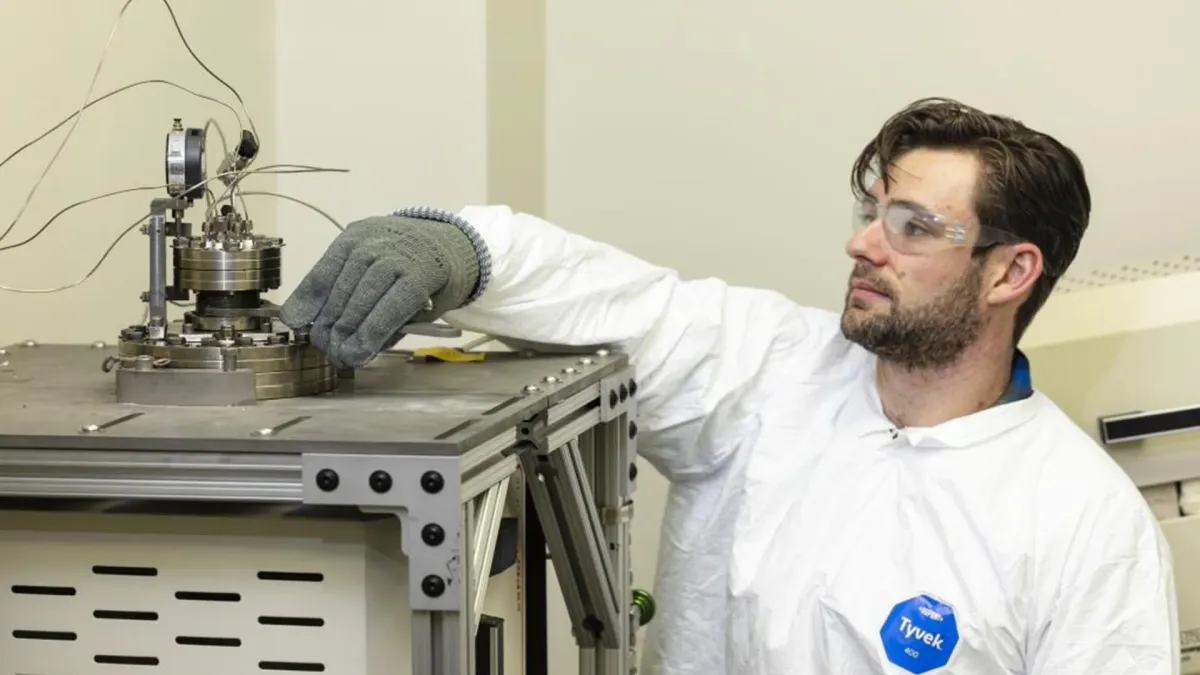
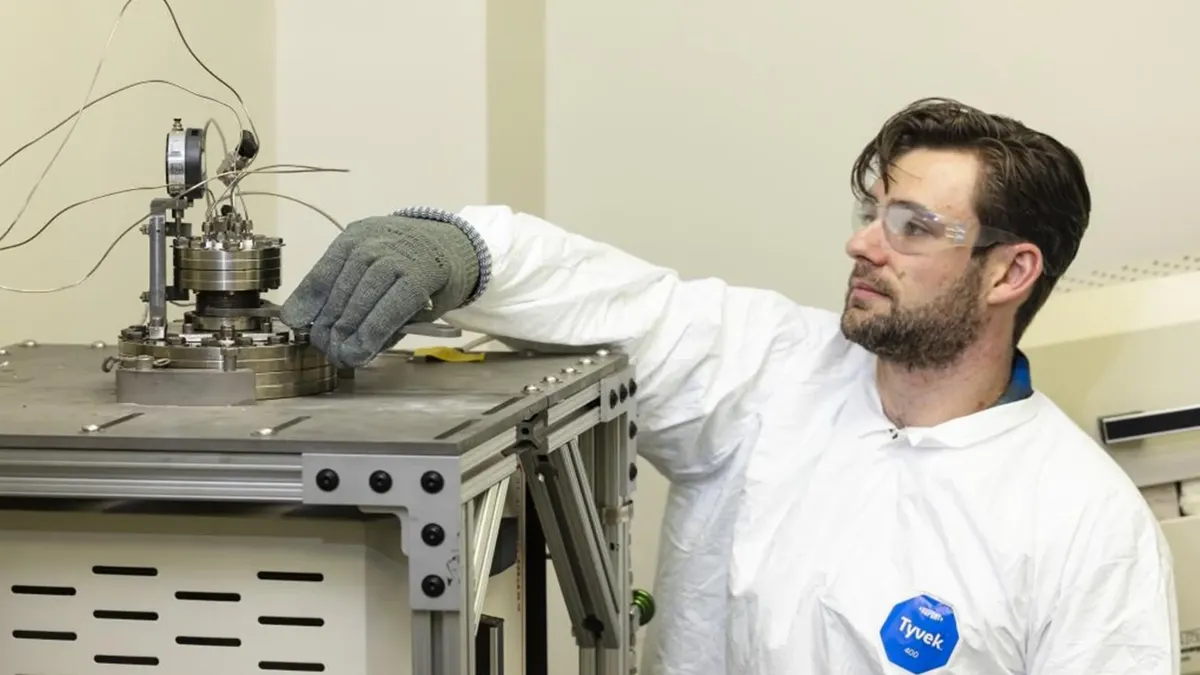
Researchers at Oak Ridge National Laboratory (ORNL) in Tennessee have unveiled new methods to measure how these uranium-infused molten salts move heat and flow. Think of it as finally getting the secret recipe for a very hot, very particular soup that could power our future.
For decades, one of the biggest roadblocks to designing and licensing advanced nuclear systems — specifically, Molten Salt Reactors (MSRs) — has been a glaring lack of reliable data on just two things: how well these molten salts conduct heat, and how thick they are (their viscosity). It’s hard to build something groundbreaking when you don’t know the basic physics.
We're a new kind of news feed.
Regular news is designed to drain you. We're a non-profit built to restore you. Every story we publish is scored for impact, progress, and hope.
Start Your News DetoxThe Secret Sauce of Science
ORNL, which, let’s be honest, sounds like a secret lair for brilliant minds, has been at the forefront of MSR experiments since the 1960s. Now, they’ve developed custom-built tools to finally get those elusive numbers.
One gadget, the “variable gap system,” measures thermal conductivity by tracking heat’s journey through the molten salt. The other, a “rolling ball viscometer,” measures viscosity by timing how fast a tiny ball sinks through the liquid. Because sometimes, the most sophisticated science involves a very hot game of marbles.
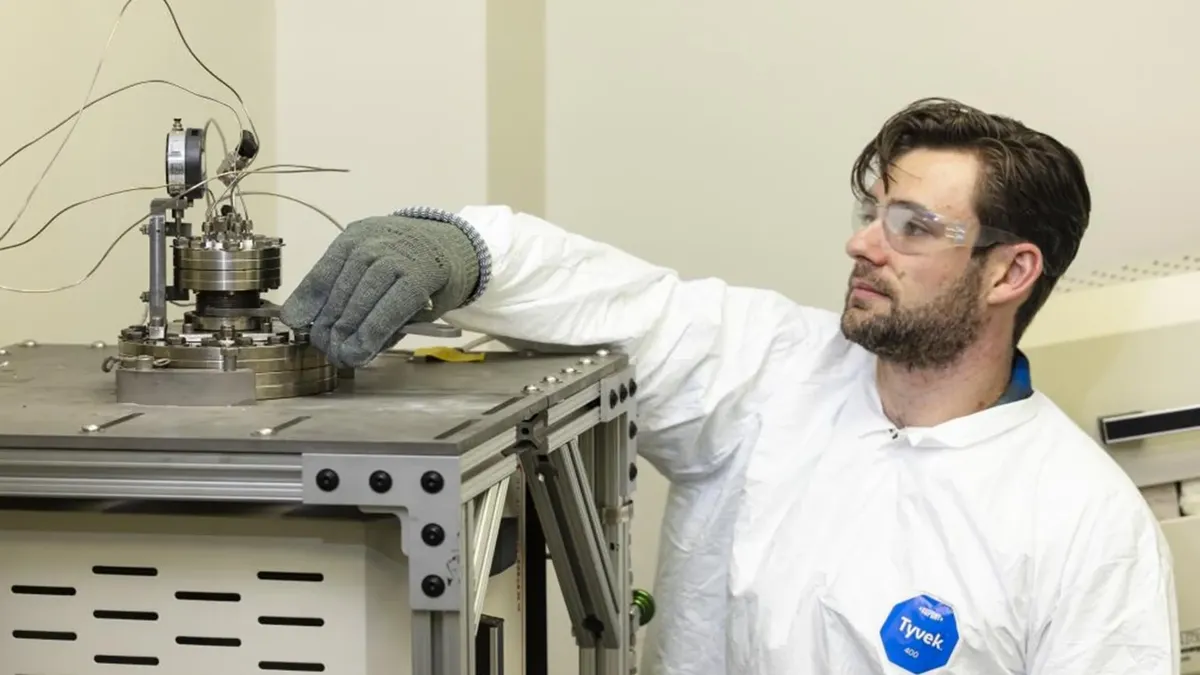
Anthony Birri, an R&D associate at ORNL, noted that some of this data is “completely unique.” It fills crucial gaps that have kept MSR development in a holding pattern. We’re talking about information so fundamental it impacts everything from how efficiently a reactor cools itself to its overall safety.
This isn't just about satisfying scientific curiosity. This new data is expanding the Molten Salt Thermal Properties Database, which sounds like something out of a sci-fi novel but is actually a growing resource vital for modeling, optimizing, and eventually, getting these advanced reactors approved. The Department of Energy’s Office of Nuclear Energy Molten Salt Reactor Program also backed this effort, because apparently that's where we are now: making nuclear energy both safer and cooler.