Today, it seems the universe decided to reveal a few of its secrets, ranging from the truly vast to the infinitesimally subtle. From the intricate scaffolding of galaxies to the hidden chemical signatures of life itself, we're finding order in places we didn't expect.
The Universe Has Its Own Blueprint
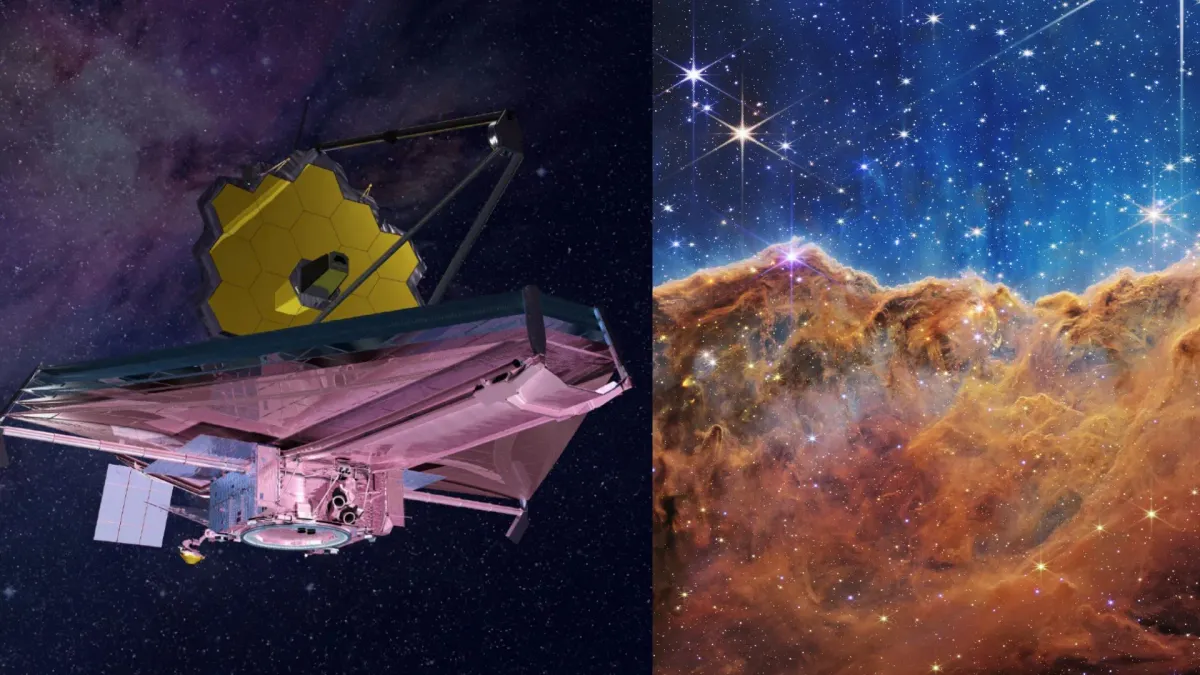
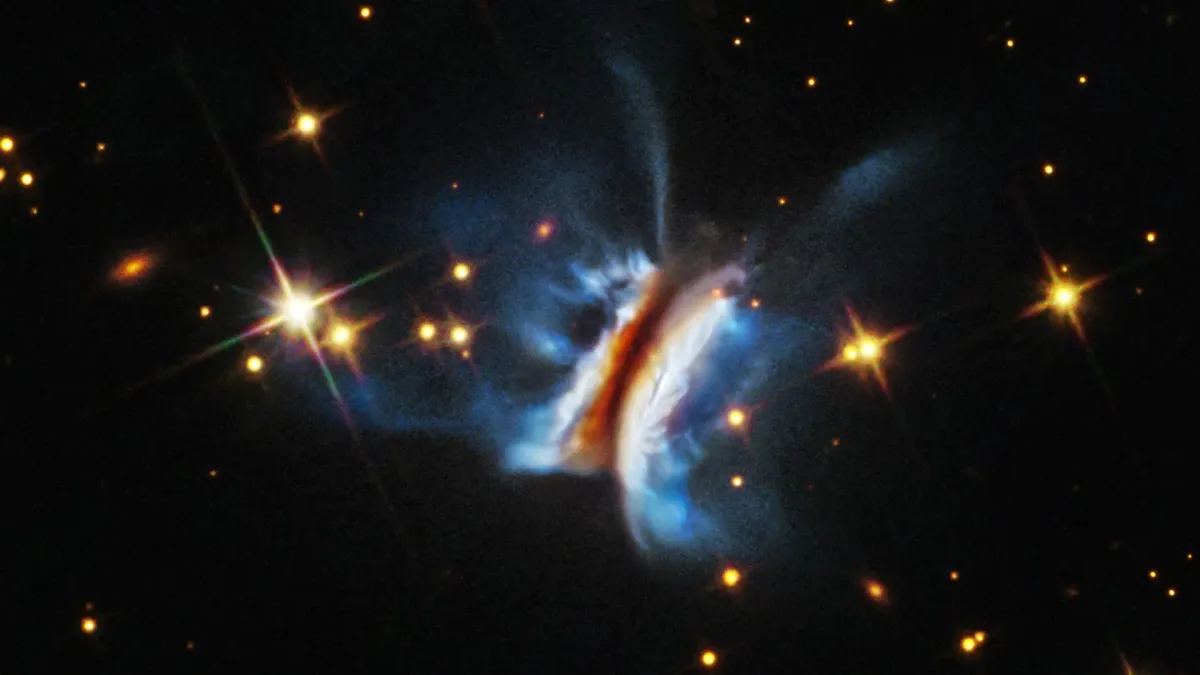
If you've ever felt overwhelmed by the sheer, chaotic expanse of space, take heart: it's not nearly as messy as it looks. NASA's James Webb Space Telescope just delivered the most detailed map yet of the universe's vast cosmic web. Think of it as the universe's own neural network, showing how galaxies have connected and evolved over 13.7 billion years. It's a structure so immense, it makes our own Milky Way feel like a speck of cosmic dust on a very large carpet. Meanwhile, Hubble peered into a giant, chaotic planet nursery, nicknamed “Dracula’s Chivito”, which, despite its turbulent appearance, contains enough material to birth multiple planets. The cosmos isn't just a random collection of stars; it's a meticulously organized (if sometimes monstrously named) system. If you've ever sought patterns in the chaos, the universe is clearly way ahead of you.
"Astronomers using NASA’s James Webb Space Telescope have created the most detailed map yet of the universe’s vast cosmic web, revealing how galaxies connected and evolved across 13.7 billion years of history."
Wait—What is Brightcast?We're a new kind of news feed.
Regular news is designed to drain you. We're a non-profit built to restore you. Every story we publish is scored for impact, progress, and hope.
Start Your News Detox
Life's Hidden Code
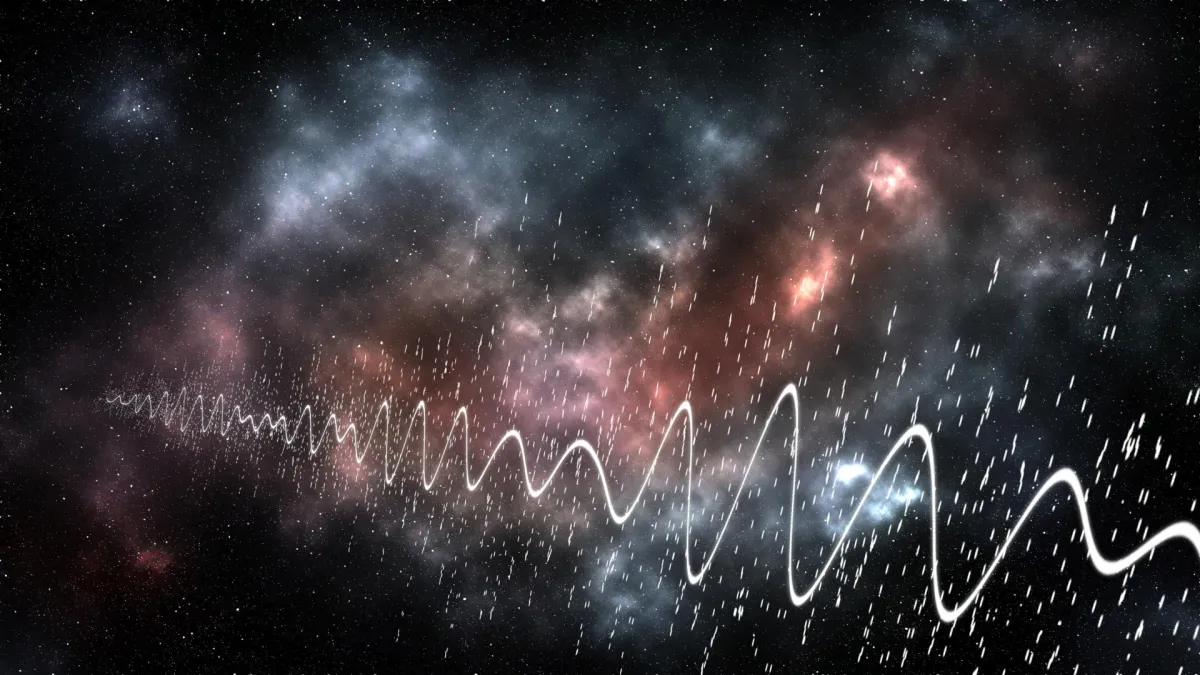
What if the secret to finding alien life isn't about what molecules we find, but how they're arranged? Scientists just made a compelling argument for this, discovering a hidden chemical “fingerprint” in the statistical distribution of molecules — a signature of life found even on dinosaur eggs. It’s a subtle, statistical pattern that seems to scream "life was here." And speaking of subtle signals, it turns out plants might literally hear the rain coming. MIT researchers found that rice seeds can sense approaching rain, an evolutionary trick to prepare for water. These aren't just fascinating tidbits; they're a reminder that life finds a way to encode its presence, whether through sophisticated chemical patterns or simply listening to the weather. If you've ever underestimated the ingenuity of nature, this week just handed you two compelling counter-arguments.
Solving Problems with a Bit of Ingenuity (and Microbes)
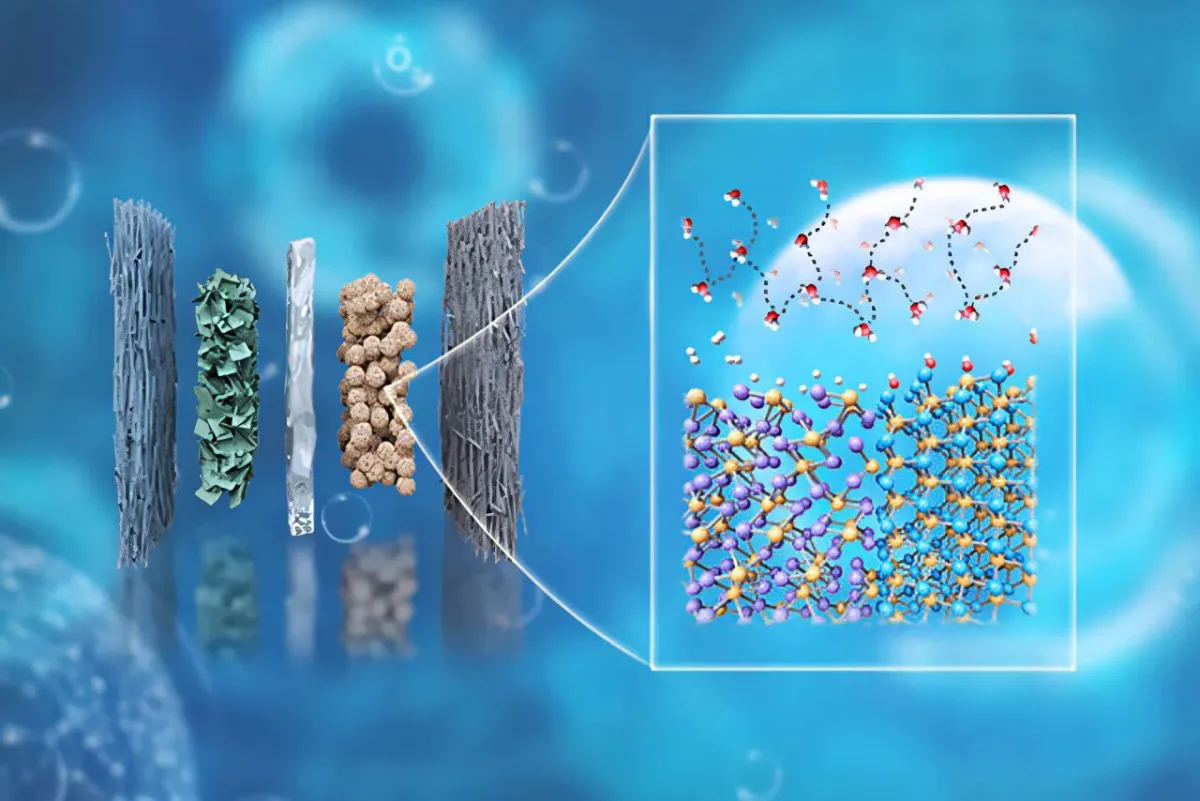
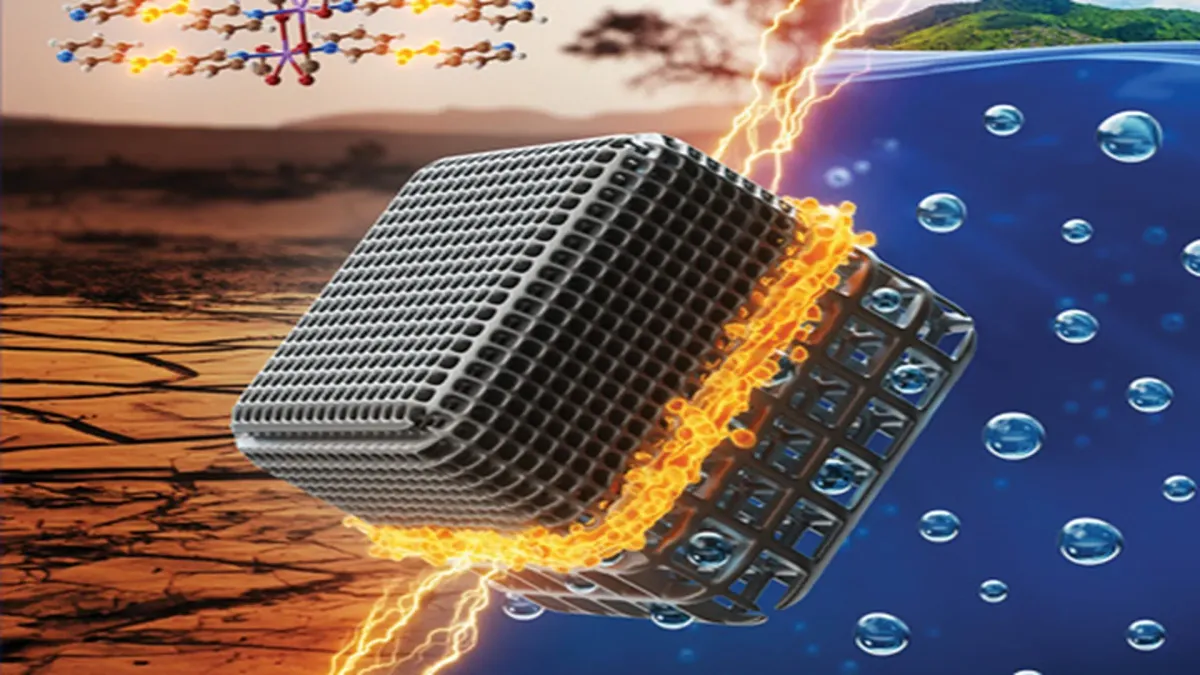
From the truly grand to the remarkably practical, today's news also highlighted some clever problem-solving. Two 17-year-old students in Kenya, Fredrick Njoroge Kariuki and Miron Onsarigo, just won the Africa region Earth Prize for turning farm waste into an award-winning air filter for vehicle exhaust. That's maize and coconut husks doing the heavy lifting. And in an even more unexpected twist, new self-refueling underwater batteries are now powered by… tiny sea critters. Researchers at Michigan Tech are developing microbial fuel cells that use organic matter in seawater to generate electricity, helping underwater sensors stay submerged longer. The takeaway? Whether you're a teenager in Nairobi or a scientist in Michigan, sometimes the best solutions are already hiding in plain sight, waiting for a bit of human ingenuity to unlock them.
Hope stat: 13.7 billion — years of cosmic history mapped by the James Webb Space Telescope, revealing the universe's vast, intricate structure.
Watch this space: Keep an eye on how these new methods for detecting life's chemical signatures reshape our search for extraterrestrial neighbors.