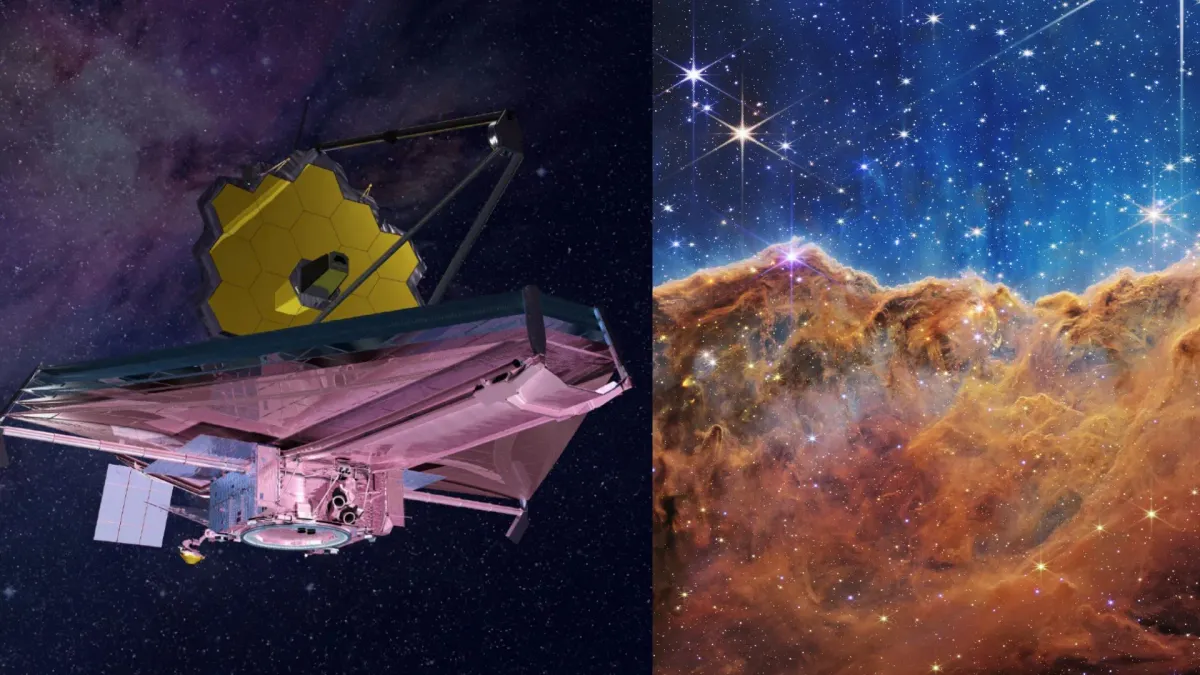
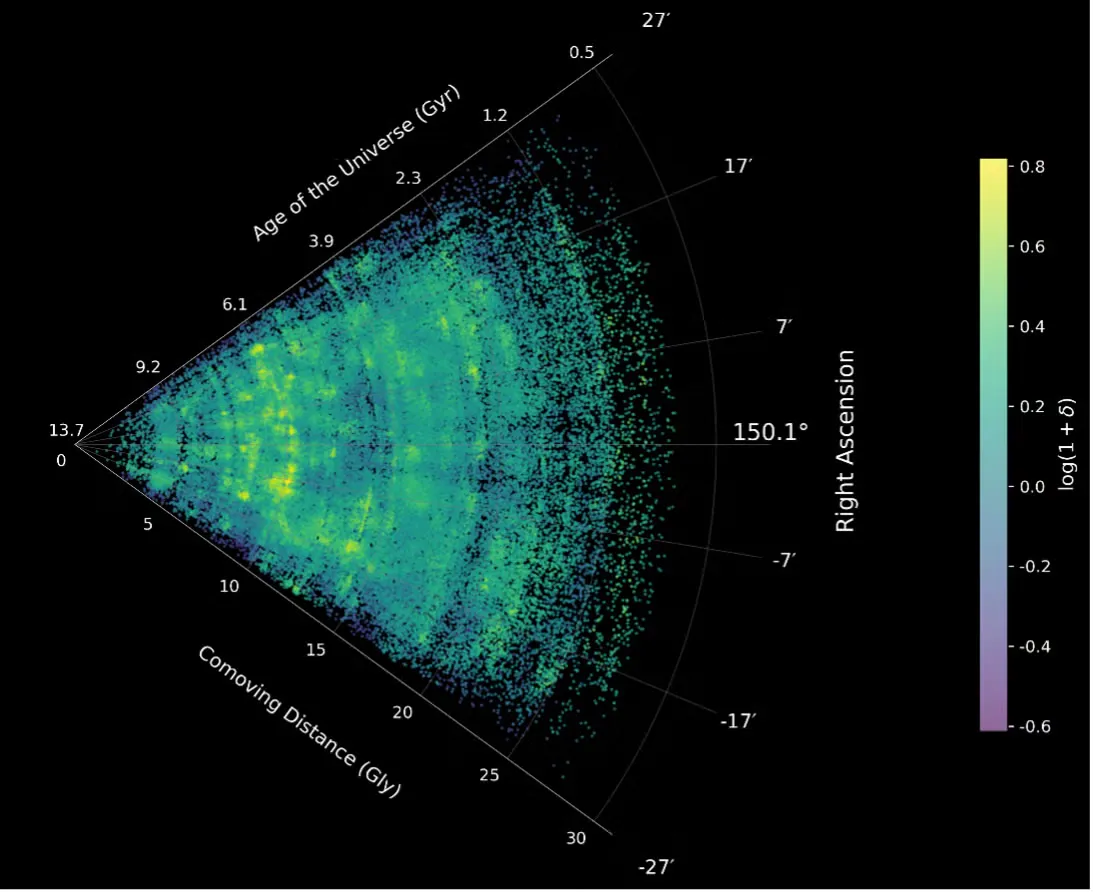
Imagine trying to map every single road, highway, and back alley across an entire country, but that country is constantly expanding, and you're doing it from 13.7 billion years in the past. That's essentially what NASA's James Webb Space Telescope just pulled off, creating the most detailed map of the universe's "cosmic web" to date. It shows how galaxies didn't just pop up randomly but grew and connected over nearly the entire lifespan of the universe.
This isn't just a pretty picture; it's a look at the universe's actual skeleton, a vast network of dark matter and gas that links galaxies and clusters together, with huge, empty voids in between. Think of it as the scaffolding that held everything together, stretching back to when the universe was barely a billion years old. Which, for cosmic time, is practically yesterday.
Unveiling the Ancient Architect
Led by researchers from the University of California, Riverside, this cosmic cartography relied on data from COSMOS-Web, the biggest survey yet undertaken by the James Webb Space Telescope. It scanned a patch of sky roughly the size of three full moons. So, not exactly a quick snapshot.
We're a new kind of news feed.
Regular news is designed to drain you. We're a non-profit built to restore you. Every story we publish is scored for impact, progress, and hope.
Start Your News DetoxThe Webb telescope's secret weapon? Its infrared capabilities, which allowed it to sniff out faint galaxies that older, less sophisticated observatories couldn't even dream of seeing. It also measured their distances with a precision that makes previous attempts look like guessing games.
Hossein Hatamnia, the lead author from UCR, put it pretty bluntly: JWST has "completely revolutionized our understanding of the universe." He added that for the first time, scientists can actually watch how galaxies evolve within these cosmic strands, from the universe's infancy right up to its present-day state.
Hubble's Blurry Past
To really drive home the upgrade, the team compared Webb's findings to older data from the Hubble Space Telescope. The difference? What looked like a blurry smudge on Hubble's maps now resolved into distinct, intricate structures. Bahram Mobasher, a UCR professor, noted that older maps basically smoothed over all the juicy details.
"The jump in depth and resolution is truly remarkable," Mobasher said, explaining that Webb can now peer into an era when the universe was just a few hundred million years old – a time previously shrouded in mystery. What once seemed like a single, amorphous blob now clearly reveals multiple, distinct features. It’s like upgrading from a flip phone camera to a professional DSLR, but for the entire cosmos.
Webb's magic comes from its ability to spot far more faint galaxies in the same area and then accurately timestamp their existence. It's not just seeing more; it's knowing when you're seeing it.
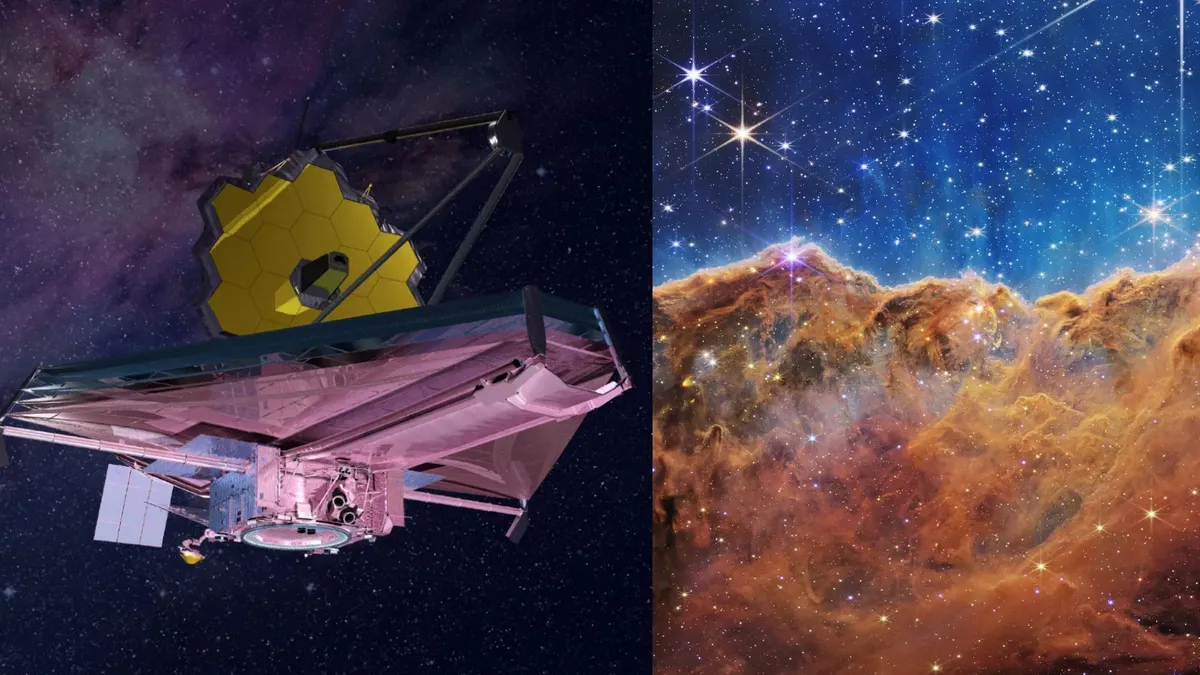
And because science is best when shared, the entire research team has made these maps, along with a catalog of 164,000 galaxies and a video showing the cosmic web's evolution, available to the public. Go on, dive in. Just try not to get lost in 13.7 billion years of cosmic spaghetti.