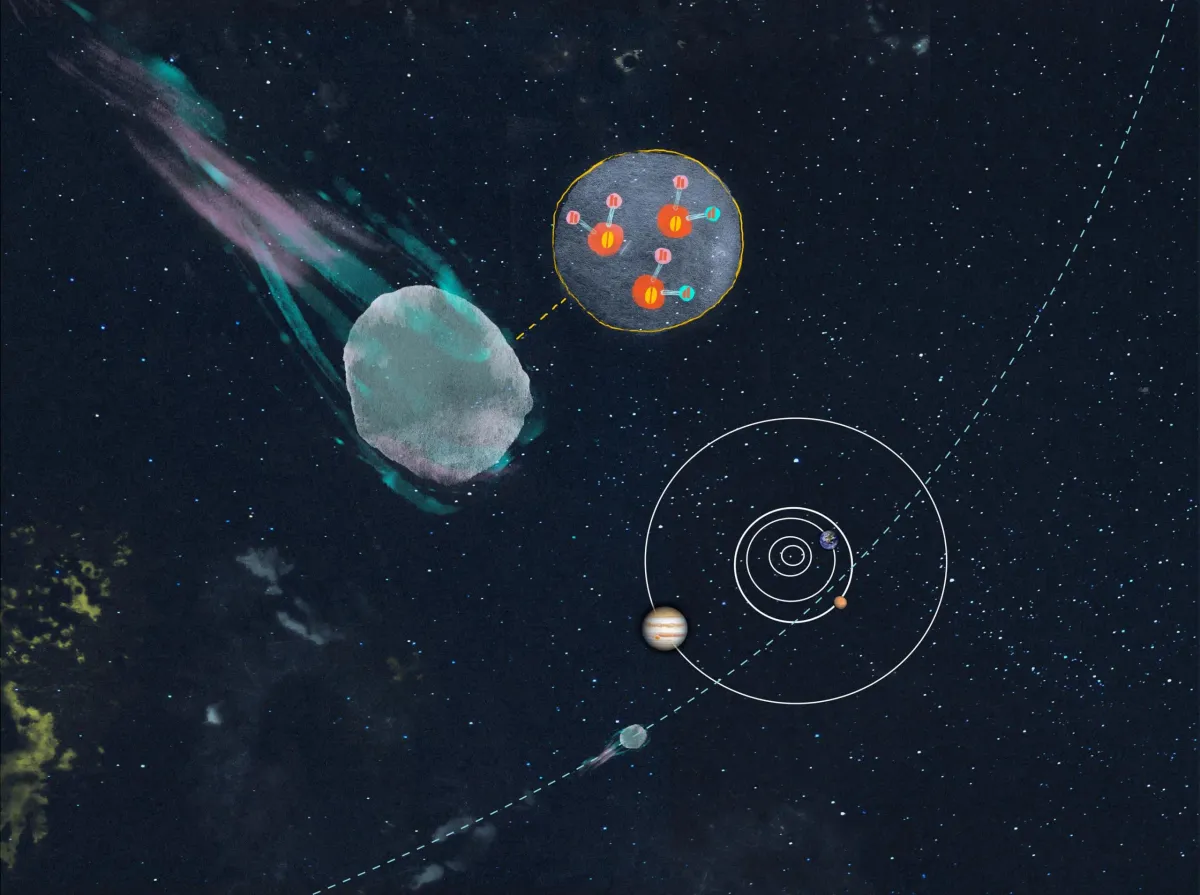
Imagine a visitor from another star system, zooming through our cosmic neighborhood. Now imagine that visitor is a comet, and it's carrying a secret that completely upends our understanding of how planets and comets are born. That's exactly what happened with comet 3I/ATLAS.
Discovered less than a year ago, this interstellar interloper has been giving scientists a rare peek into how other planetary systems form. And what they found, thanks to some clever detective work from the University of Michigan, suggests 3I/ATLAS came from a place so cold, so different from our own solar system, it’s practically alien.
The Heavy Water Mystery
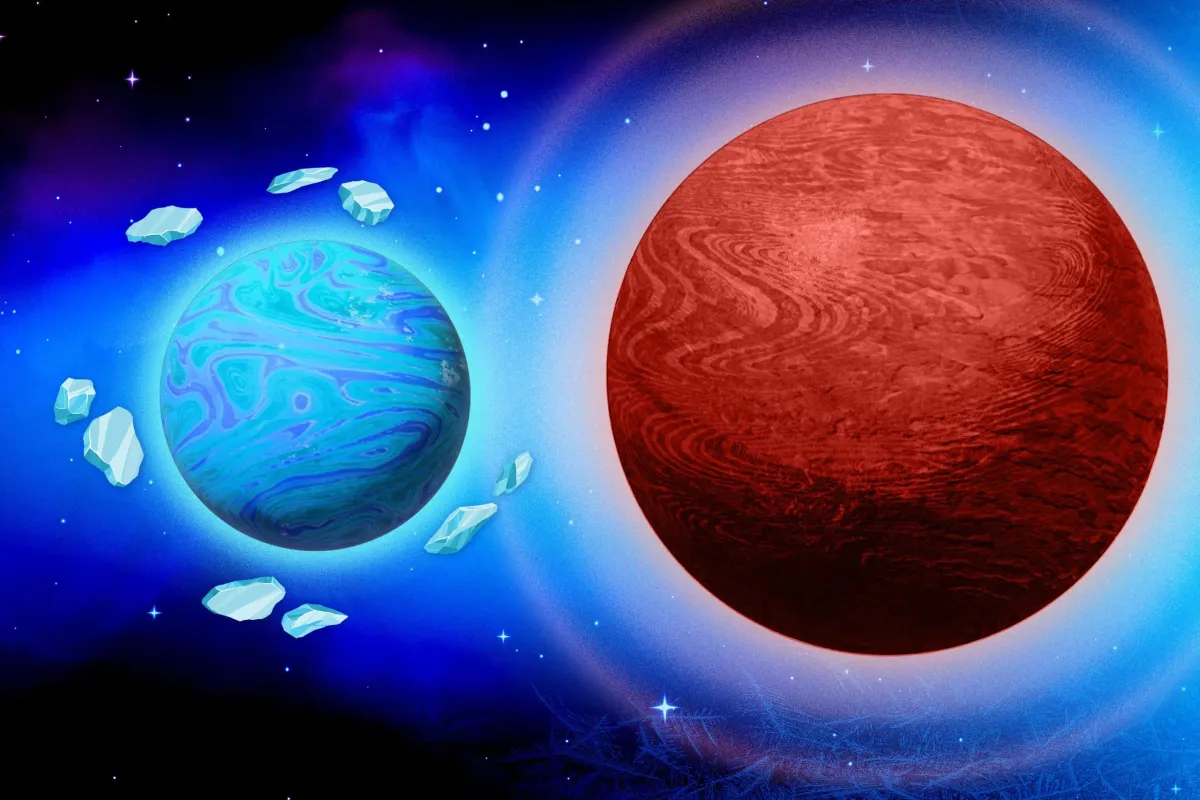
The big reveal? This comet is absolutely swimming in "heavy water." Now, before you picture some sort of sci-fi super-water, know that heavy water just means it contains deuterium – a slightly beefier version of hydrogen, sporting an extra neutron. Our solar system? Not so much with the deuterium.
We're a new kind of news feed.
Regular news is designed to drain you. We're a non-profit built to restore you. Every story we publish is scored for impact, progress, and hope.
Start Your News DetoxLuis Salazar Manzano, the lead author and a doctoral student at the University of Michigan, put it pretty bluntly: these observations show just how wildly different planetary systems can be. Turns out, the cosmic recipe that cooked up our own little corner of the universe isn't universal.
How much heavy water are we talking? The ratio of deuterium in 3I/ATLAS's water is about 30 times higher than in any comet from our own solar system, and a staggering 40 times higher than in Earth's oceans. Let that sink in. It's like finding a penguin in the Sahara – completely unexpected.
These chemical fingerprints are like tiny time capsules, telling scientists about the conditions when comets and planets first formed. Comparing 3I/ATLAS to our local comets, researchers now believe this interstellar traveler was forged in an environment that was significantly colder and zapped by far less radiation. Which, if you think about it, is both impressive and slightly terrifying.
Getting this kind of data wasn't easy. It required a dash of luck (finding the comet early enough) and some serious astronomical firepower. Salazar Manzano's team first used the MDM Observatory in Arizona to sniff out early signs of gas, then Teresa Paneque-Carreño, co-leader of the study, deployed the Atacama Large Millimeter/submillimeter Array (ALMA) in Chile. ALMA, apparently, is a pro at telling regular water from its heavy-duty cousin.
This marks the first time such a detailed chemical analysis has been performed on an object from another star system. And with only three interstellar objects ever spotted passing through our solar system (so far!), 3I/ATLAS is giving us a tantalizing glimpse into the sheer diversity of cosmic chemistry out there. Paneque-Carreño expects we'll find even more of these cosmic wanderers as new observatories come online. Just one more reason to appreciate a truly dark night sky, apparently.