Most people imagine stars and planets when they think of space. But few consider what outer space might smell like. It turns out, space has many smells. It's not empty, but filled with dying stars, gases, radiation, and comets. All these elements create a unique mix of odors.
Scientists often guess what space smells like based on how similar materials smell on Earth. However, astronauts consistently report one strong scent on their gear after returning from space.
What Astronauts Say Space Smells Like
Astronauts often describe a metallic smell after being in space. Some compare it to ozone, gunpowder, seared steak, or "sweet-smelling welding fumes," according to NASA. Astronaut Alexander Gerst said it smells like "a mixture between walnuts and the brake pads of my motorbike." Many notice this scent on their suits and equipment.
We're a new kind of news feed.
Regular news is designed to drain you. We're a non-profit built to restore you. Every story we publish is scored for impact, progress, and hope.
Start Your News DetoxSome astronauts find the smell pleasant. Don Pettit, an astronaut, described it as "a rather pleasant sweet metallic sensation." He added that it reminded him of "sweet-smelling welding fumes" from his college summers.
Why Space Smells Metallic
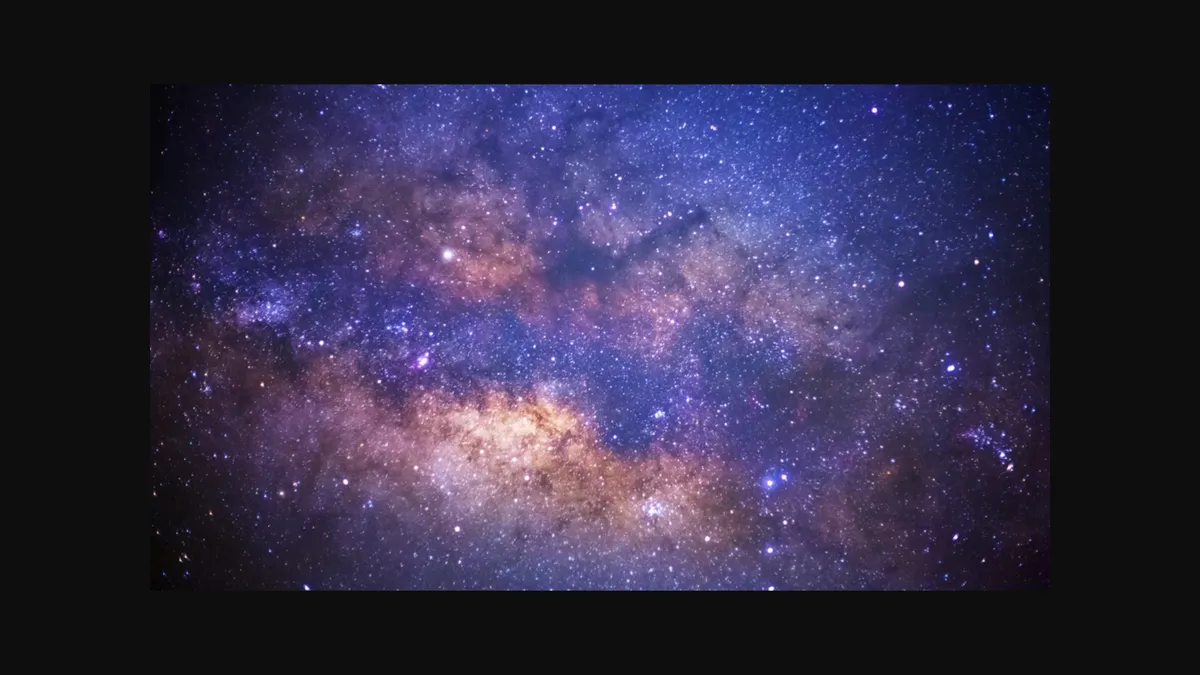
There are two main ideas about why space might smell metallic.
One idea comes from Dr. Louis Allamandola, former director of the NASA Ames Astrophysics and Astrochemistry Laboratory. He suggests the smell might be from polycyclic aromatic hydrocarbons. These are found throughout the universe and also in things like burnt toast, charred meat, soot, and car exhaust on Earth.
Dying stars release carbon, which forms a thick, sooty substance similar to fossil fuels. This soot, rich in these hydrocarbons, can last a long time. It might stick to astronauts' suits and tools.
Another idea is that the smell comes from ozone molecules, which are known to smell metallic. In space, ultraviolet radiation can break oxygen molecules into single atoms. These atoms can attach to spacesuits. When these atoms meet molecular oxygen (O2), they form ozone (O3).
Other Potential Space Smells
In 2014, the European Space Agency's Rosetta spacecraft found many different molecules near the Churyumov-Gerasimenko comet. These included hydrogen sulfide, which smells like rotten eggs, and hydrogen cyanide, which is poisonous but can smell sweet like almonds. It also detected ammonia, which smells like urine, and formaldehyde.
Dr. Allamandola believes these molecules likely came from space soot and other materials that formed large, cold dust clouds. He compared them to "cosmic dust bunnies." He said dark clouds in space might smell like a "crazy ice cream shop" with a strong ammonia scent, sometimes with a "morgue-like accent" from formaldehyde.
Stars with Raspberry, Rum, and Rotten Egg Scents
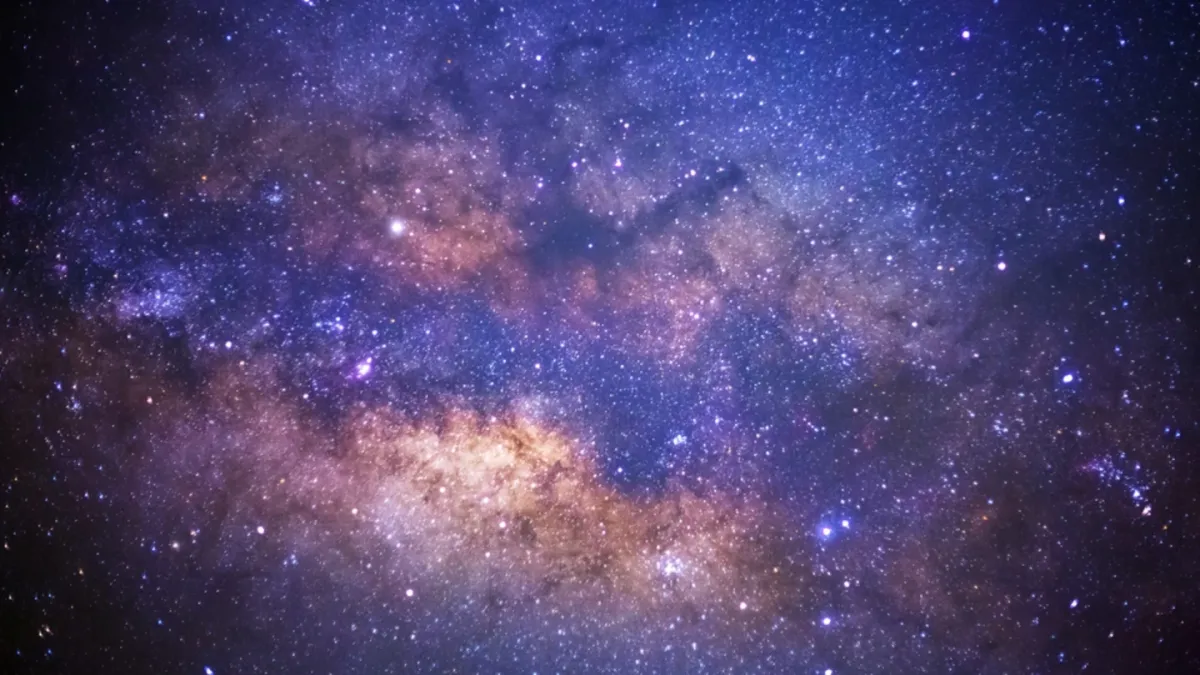
Scientists found that Sagittarius B2, a dust cloud in the Milky Way's center, contains ethyl formate. This compound gives raspberries their flavor. Ethyl formate is made from an alcohol and an acid that smells like rum. This suggests parts of our galaxy might smell faintly of raspberry-rum punch. However, Sagittarius B2 also has deadly propyl cyanide, which would need to be addressed for any future space gatherings.
Some parts of space also likely smell like rotten eggs due to sulfur. Scott Sandford, a senior research scientist at Ames Science Directorate, noted that molecular clouds in galaxies contain a "smorgasbord of odors," from sweet sugar and rum to rotten eggs. These scents float around for millions of years and appear in comets, meteors, and space dust.
What Planets Might Smell Like
While no one knows for sure, scientists have ideas about what planets in our solar system might smell like. Venus and Uranus likely smell strongly of rotten eggs because of sulfur dioxide and hydrogen sulfide in their atmospheres.
Mars, with its carbon dioxide atmosphere and traces of acids and sulfur, might smell vaguely acidic and desert-like.
Titan, Saturn's largest moon, has benzene in its atmosphere, which could make it smell like gasoline. Jupiter's colors might come from ammonia and phosphorus, giving it a scent between garlic and petrol.
Can You Smell Space on Earth?
If you're curious about the scent of the galaxy, you're in luck. In 2008, NASA asked chemist Steve Pearce to create a space-scented blend. This was meant to help astronauts prepare for the smells they might encounter.
In 2020, after a successful Kickstarter campaign, Pearce's creation was released as a perfume called Eau de Space.