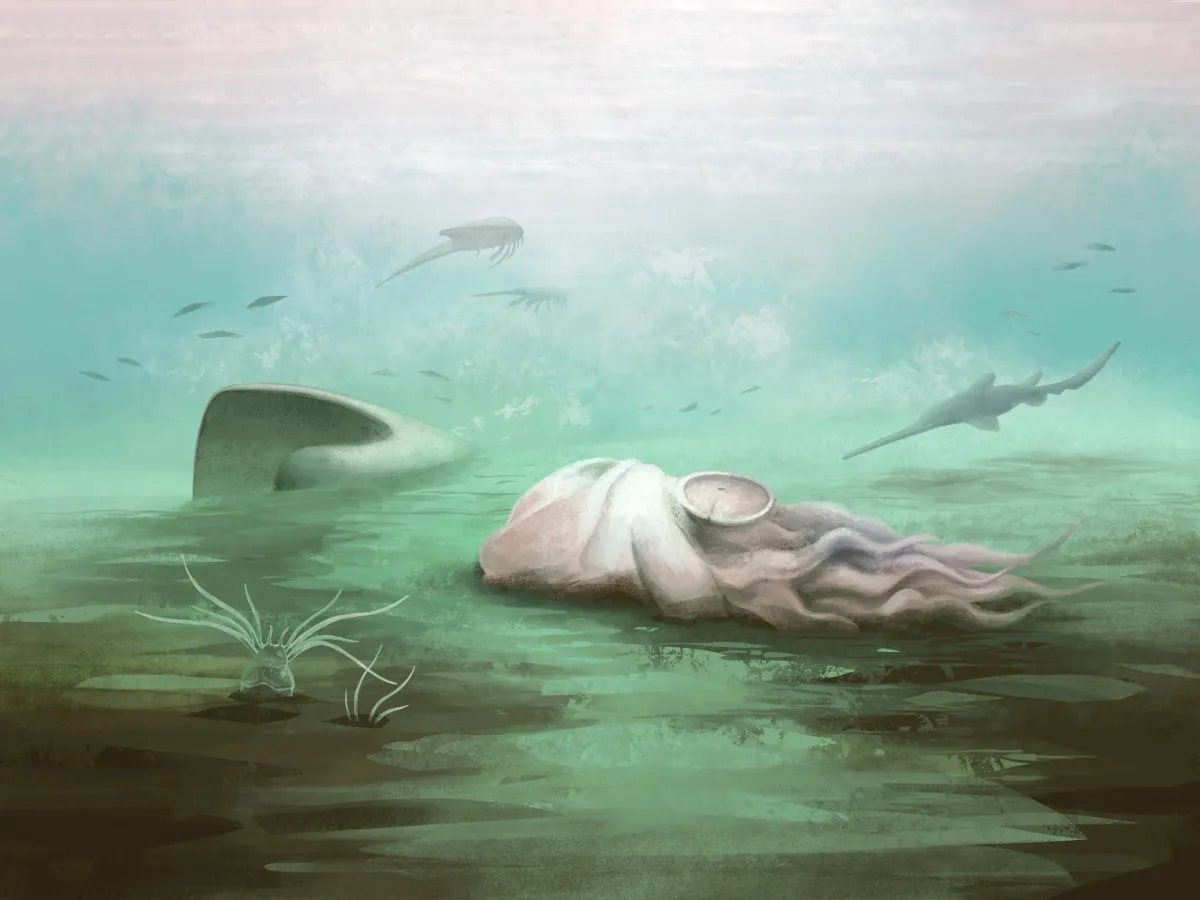
A fossil once thought to be the world's oldest octopus has been re-identified. For years, the 300-million-year-old specimen, Pohlsepia mazonensis, was believed to be an octopus. It even appeared in the Guinness Book of Records.
However, new research shows it is actually a relative of the modern Nautilus. This discovery changes our understanding of when octopuses first appeared on Earth.
Hidden Clues in Tiny Teeth
Scientists used advanced imaging to look inside the fossil. They found tiny, preserved teeth that revealed its true identity. These findings were published in Proceedings of the Royal Society B.
We're a new kind of news feed.
Regular news is designed to drain you. We're a non-profit built to restore you. Every story we publish is scored for impact, progress, and hope.
Start Your News DetoxDr. Thomas Clements, lead author from the University of Reading, explained that the fossil looked like an octopus because it had decomposed before it was preserved. This decomposition made it appear octopus-like.
He noted that scientists first identified Pohlsepia as an octopus 25 years ago. Modern techniques allowed them to see what was hidden inside the rock. This finally solved the mystery.
The study also provides the oldest known example of preserved nautiloid soft tissue. This pushes back the record by about 220 million years.
How the Discovery Was Made
The fossil was found in Illinois, USA. When it was first described in 2000, researchers thought it had eight arms and fins, like an octopus. This suggested octopuses existed 150 million years earlier than previously thought.
Some experts doubted this identification over the years. But there was no way to confirm their suspicions until now.
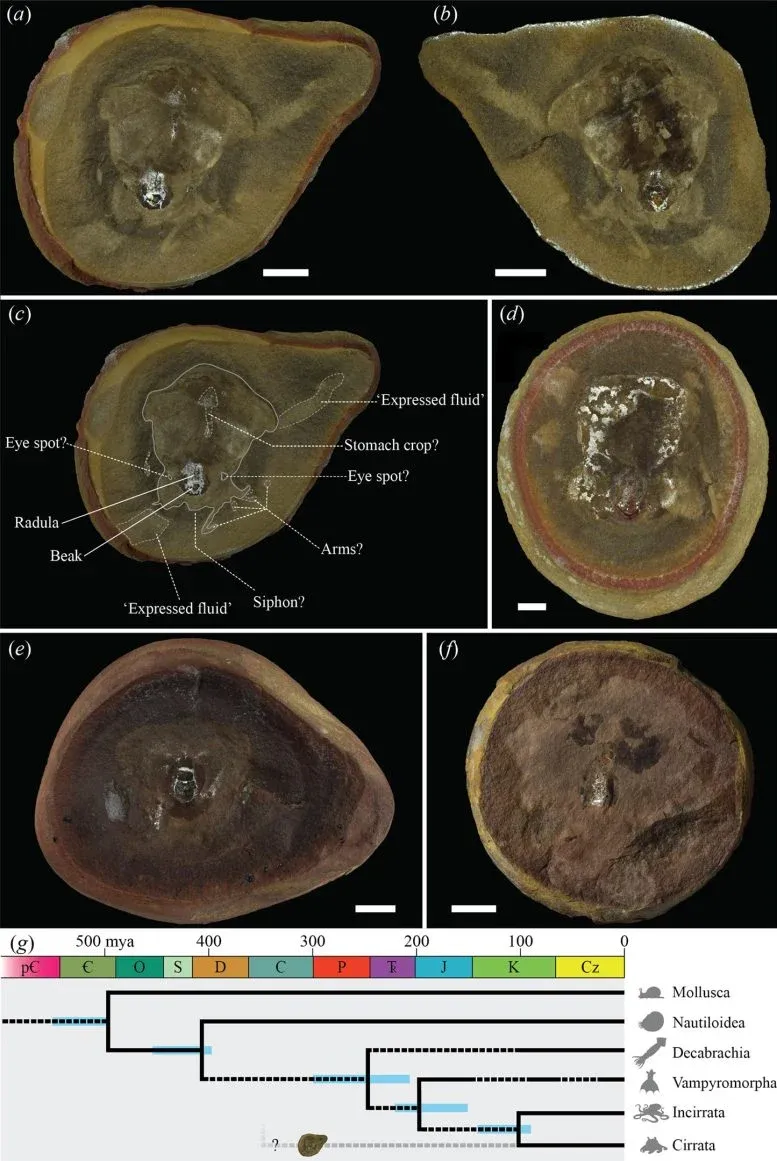
The new research used synchrotron imaging. This method uses bright light beams to find hidden structures inside rocks. The team compared it to a modern forensic investigation on a 300-million-year-old fossil.
The scans revealed a radula, a feeding structure with rows of teeth found in mollusks. The number and arrangement of these teeth immediately showed it was not an octopus. Octopuses usually have seven or nine teeth per row, while nautiloids have 13.
The teeth matched those of Paleocadmus pohli, a nautiloid fossil already known from the same site. Scientists concluded the animal had partially decomposed before it became a fossil. This changed its appearance and made it look like an octopus.
Changing the Octopus Timeline
The Nautilus, which still lives today, is often called a "living fossil." Its lineage goes back very far in Earth's history. The Paleocadmus fossils from Illinois now show the oldest preserved nautiloid soft tissue in the fossil record.
This discovery also changes when scientists believe octopuses first evolved. Current evidence now suggests octopuses appeared later, during the Jurassic period.
Researchers also think the evolutionary split between octopuses and their ten-armed relatives, like squids, happened during the Mesozoic era. This is much later than previously thought.
Dr. Clements said it's amazing how tiny hidden teeth, preserved for 300 million years, have changed what we know about octopus evolution.
Deep Dive & References
Synchrotron data reveal nautiloid characters in Pohlsepia mazonensis, refuting a Palaeozoic origin for octobrachians - Proceedings of the Royal Society B Biological Sciences, 2026