Turns out, Thailand just unveiled the largest dinosaur ever found in Southeast Asia. Get ready to meet Nagatitan chaiyaphumensis – a new species that was so big, it makes your car look like a pebble.
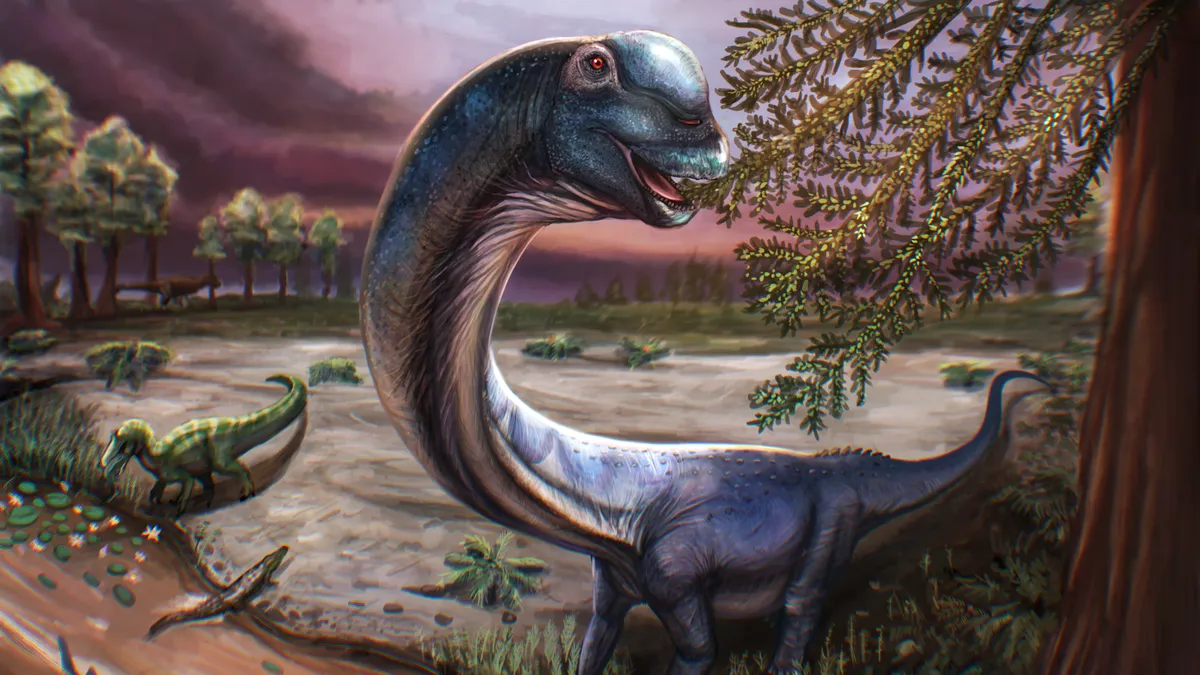
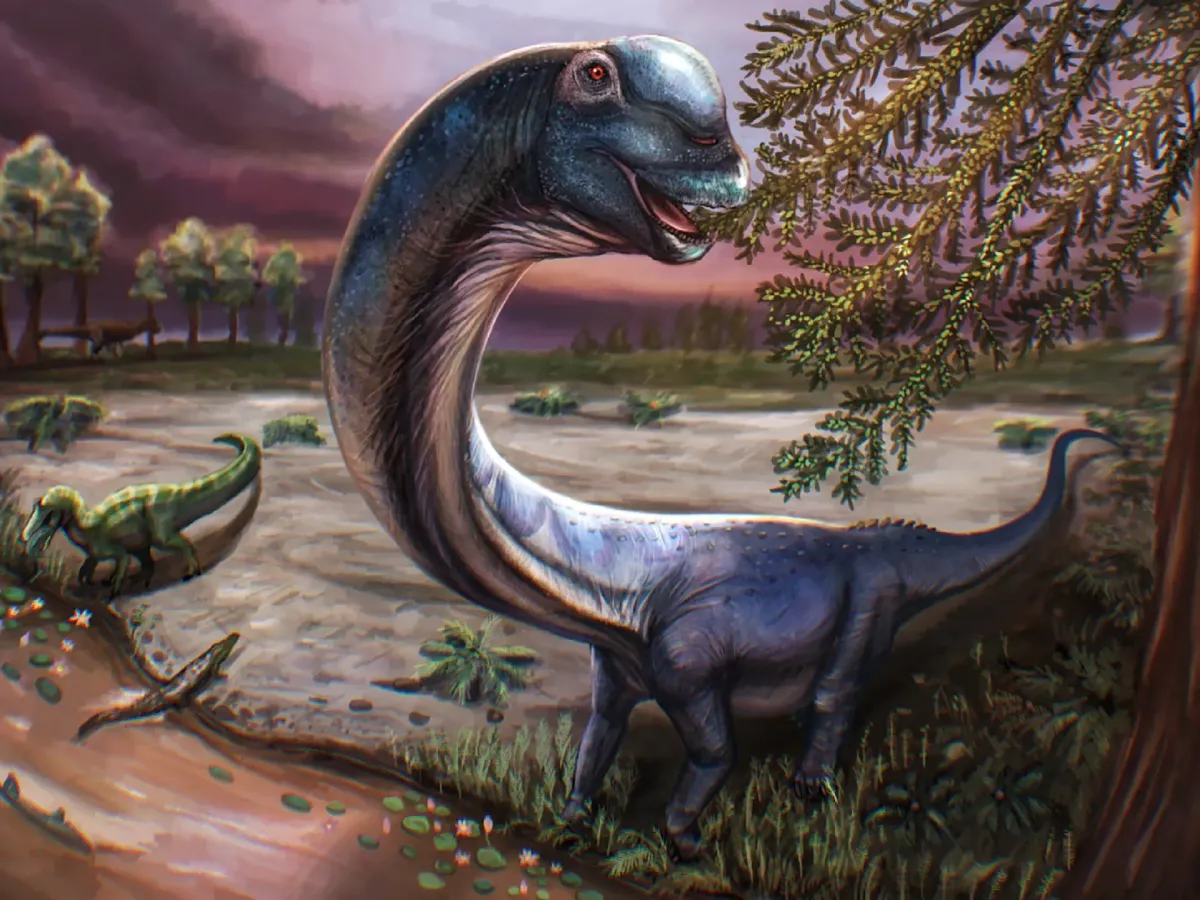
This isn't just any old dino. Nagatitan was a sauropod, which means long neck, long tail, small head, and legs that could probably crush a small car without noticing. Picture a creature stretching 27 meters (that's 89 feet!) and tipping the scales at 27 tonnes. For reference, that's roughly the same weight as nine adult elephants deciding to form a very heavy, very ancient parade.
Researchers believe this vegetarian behemoth roamed what is now Thailand between 100 and 120 million years ago, munching on things like conifers and seed ferns. While its head and teeth are still playing hide-and-seek, palaeontologists are pretty confident about its diet based on its sauropod cousins. Apparently, when you're that big, you need a lot of greens.
We're a new kind of news feed.
Regular news is designed to drain you. We're a non-profit built to restore you. Every story we publish is scored for impact, progress, and hope.
Start Your News DetoxThe Last Titan Standing
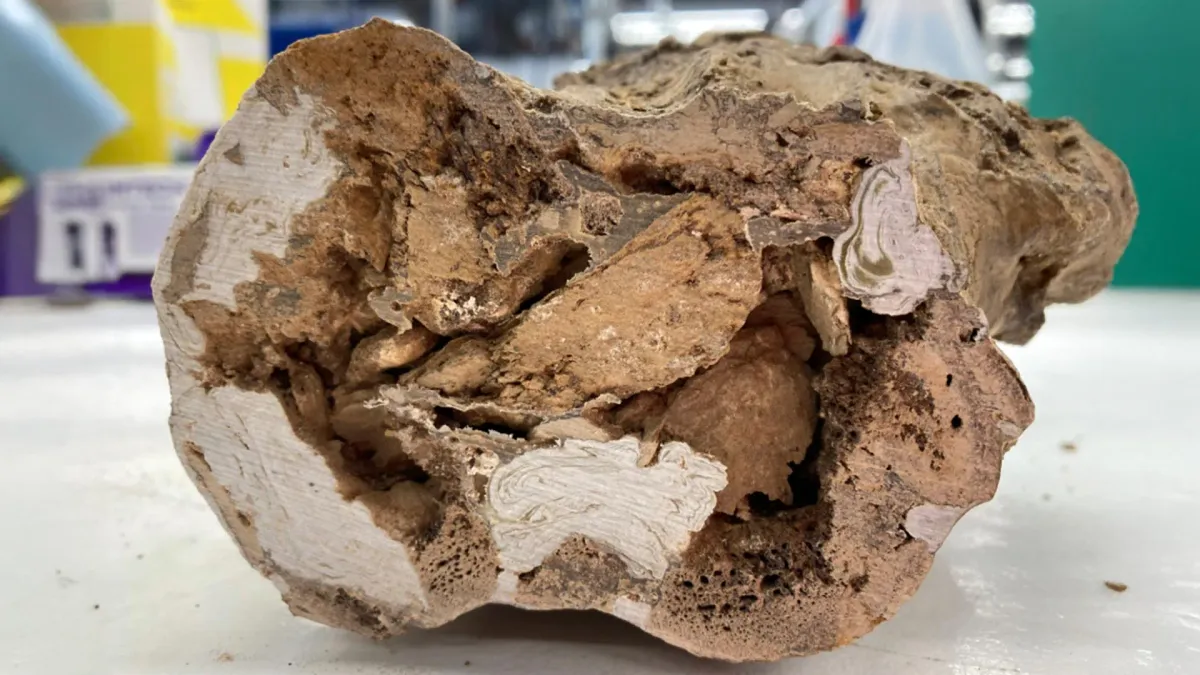
The first bits of Nagatitan were actually stumbled upon by locals a decade ago in northeast Thailand. But it took until 2024 for the full excavation to wrap up. And good thing it did, because after comparing its unique features to other sauropods, scientists decided it deserved its very own spotlight.
Thitiwoot Sethapanichsakul, a PhD student and lead author, affectionately dubbed Nagatitan "the last titan." Why so dramatic? Because it was found in one of the youngest rock formations in Thailand to yield dinosaur remains. See, during the Cretaceous period, Southeast Asia decided to become a giant, shallow sea. Which, for land-dwelling sauropods, was a bit of a deal-breaker.
Sauropods like Nagatitan were the kings (and queens) of the land, thriving until the whole dinosaur party ended 66 million years ago. This particular subgroup of sauropods was, in fact, the only sauropod group left worldwide about 90 million years ago. Talk about resilience.
The name Nagatitan itself is a nod to Naga, a mythical serpent-like being often spotted in Thai temples. And if you want to see this legend brought to life, a full-size model is now on display at Bangkok's Thainosaur Museum. Thailand now boasts 14 named dinosaurs, and this one's definitely the showstopper.