Good news for anyone who thought dinosaurs couldn't get any bigger: researchers just unearthed the largest dinosaur ever found in Southeast Asia. This new titan, clocking in at 90 feet long and roughly 30 tons, makes a T. rex look like a glorified housecat. For scale, that's more than four full-grown African elephants. Let that satisfying number sink in.
Leading the charge was Ph.D. student Thitiwoot Sethapanichsakul from University College London, whose team published their findings in Scientific Reports. Apparently, discovering something this massive is, and we quote, "very exciting." Understatement of the year? Perhaps.
The Naga Titan's Epic Stroll
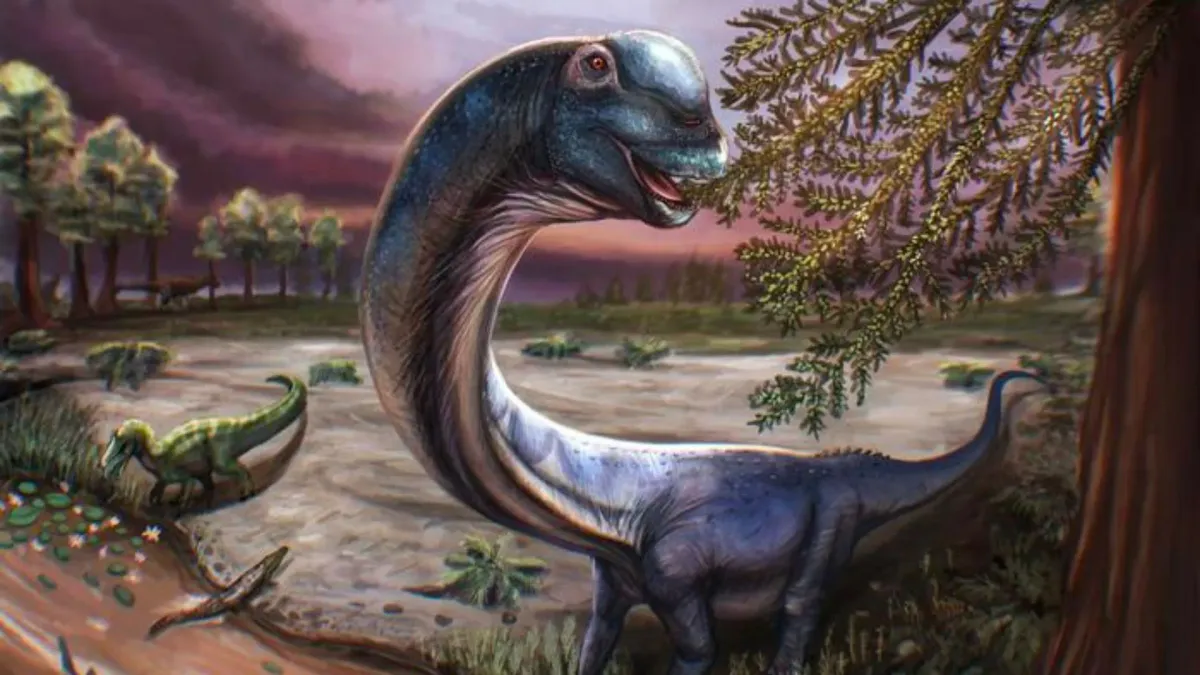
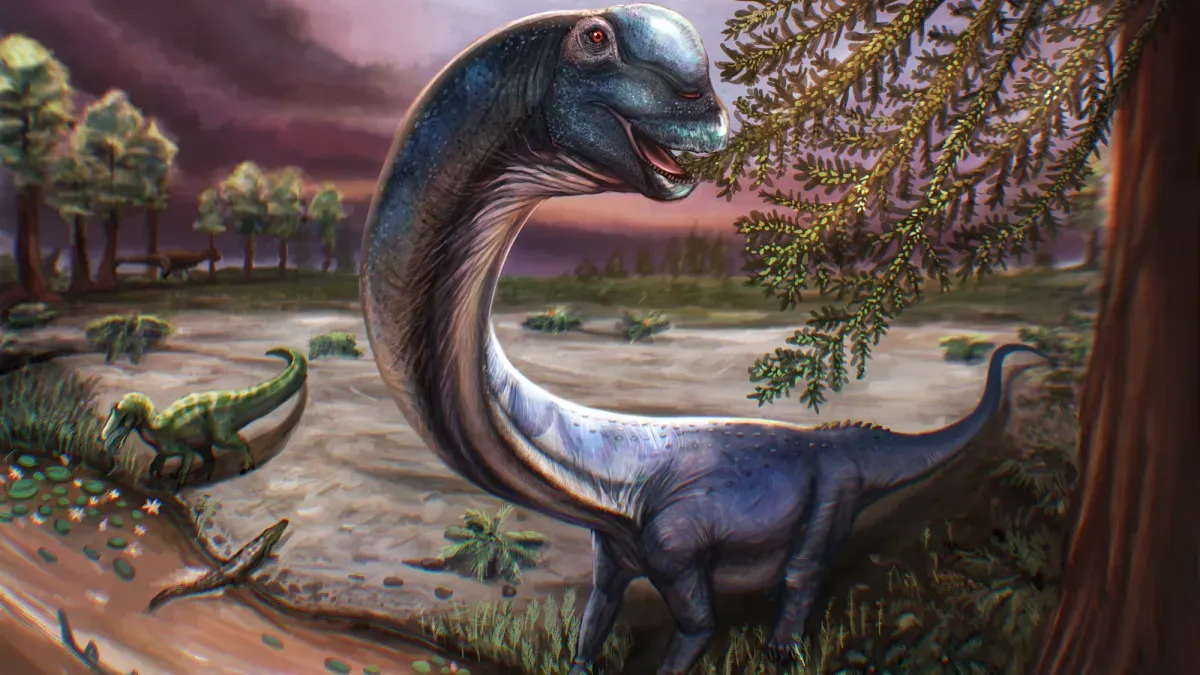
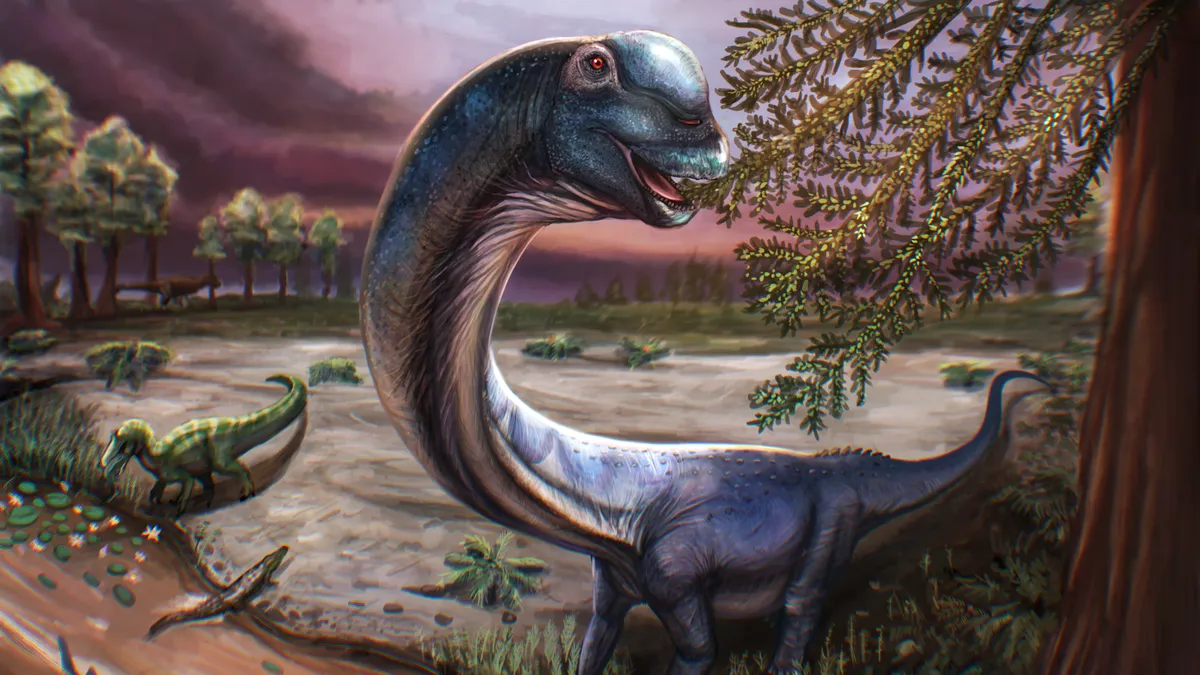
This colossal creature is a sauropod, which means it sported the classic long neck and tail, and was strictly herbivorous. It lumbered around Thailand some 100 to 120 million years ago, during the late Early Cretaceous period. Sethapanichsakul calls it an "upper middle" contender in the global big-dino rankings, which, if you think about it, is both impressive and slightly terrifying.
We're a new kind of news feed.
Regular news is designed to drain you. We're a non-profit built to restore you. Every story we publish is scored for impact, progress, and hope.
Start Your News DetoxThis isn't just about bragging rights, though. This discovery offers a crucial pit stop on the evolutionary highway to the really super-sized sauropods. After this period, dinosaurs started hitting the 70-ton mark, especially in places like China, South America, and Africa. So, Nagatitan is essentially the on-ramp to these later, even more absurdly enormous "super giants."
Named Nagatitan chaiyaphumensis, the name is a nod to its roots. "Naga" comes from a mythical serpent revered in Southeast Asia, "Titan" for its undeniable heft, and chaiyaphumensis for Chaiyaphum, the Thai province where its bones were first spotted by a local resident in 2016. Initial digging got stuck in neutral due to funding issues, but Sethapanichsakul's team got the shovels moving again in 2024.
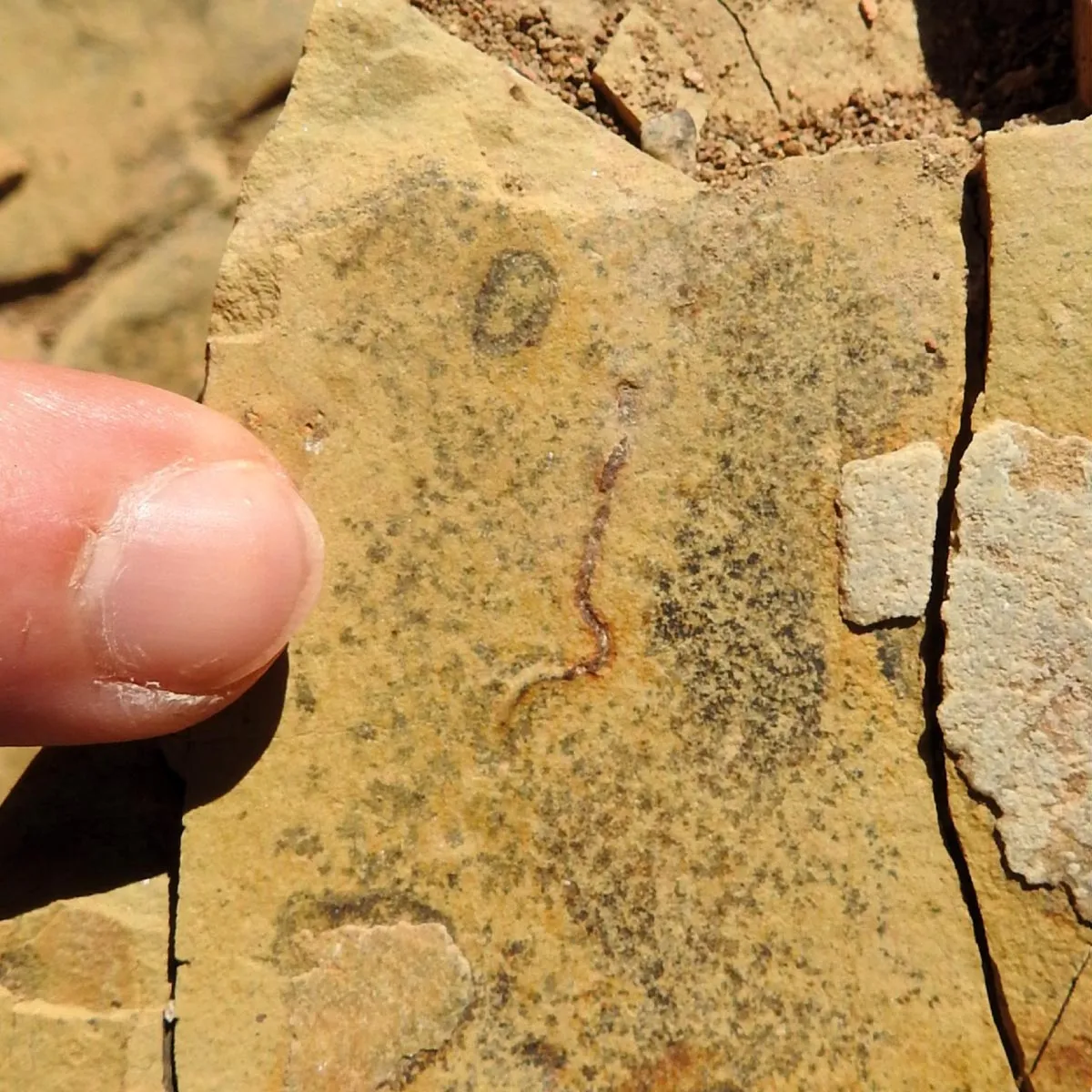
While they don't have a complete skeleton (imagine the logistics of that), they've managed to estimate its size from a decent collection of spine, rib, pelvis, and leg bones. One front leg bone alone measured almost six feet. Paleontologist Mathew Wedel, not involved in the find, enthusiastically called it a "big critter" and praised the quality of the bones.
This Nagatitan is the 14th dinosaur species named in Thailand, and researchers are already calling it the country's "last titan." Based on the local geology, they're not holding their breath for any more massive discoveries in the region. But Wedel remains optimistic, noting that every new fossil helps scientists refine the ever-evolving story of our planet's ancient inhabitants. And sometimes, those inhabitants were just ridiculously, gloriously large.