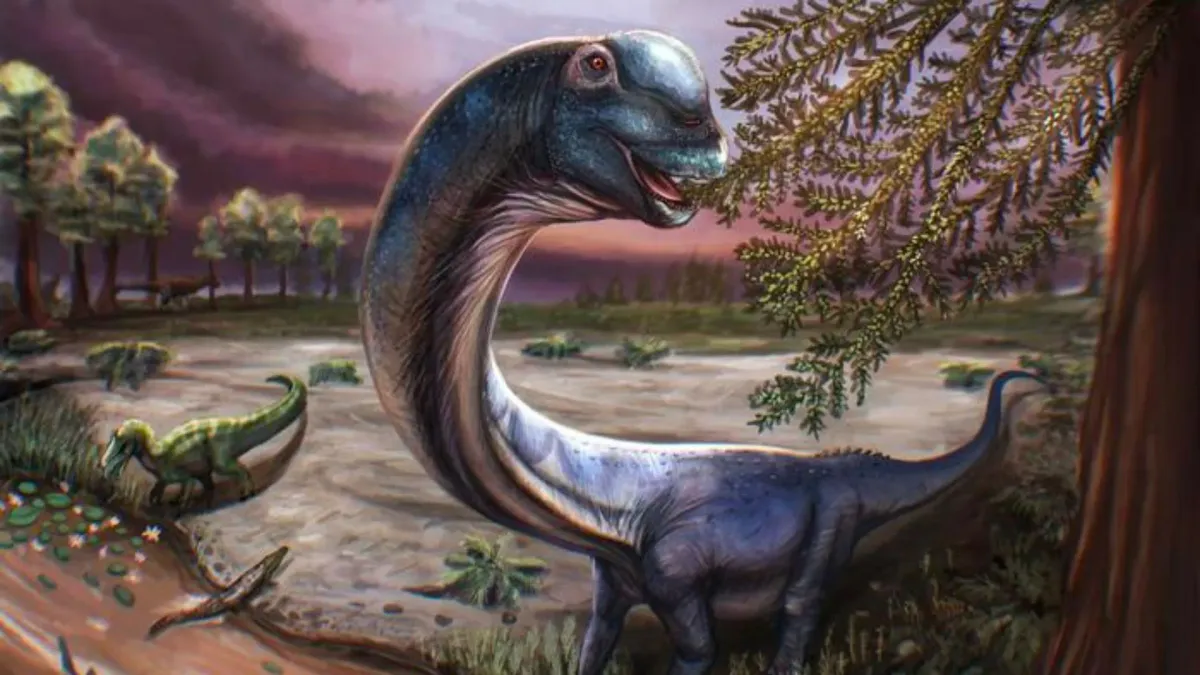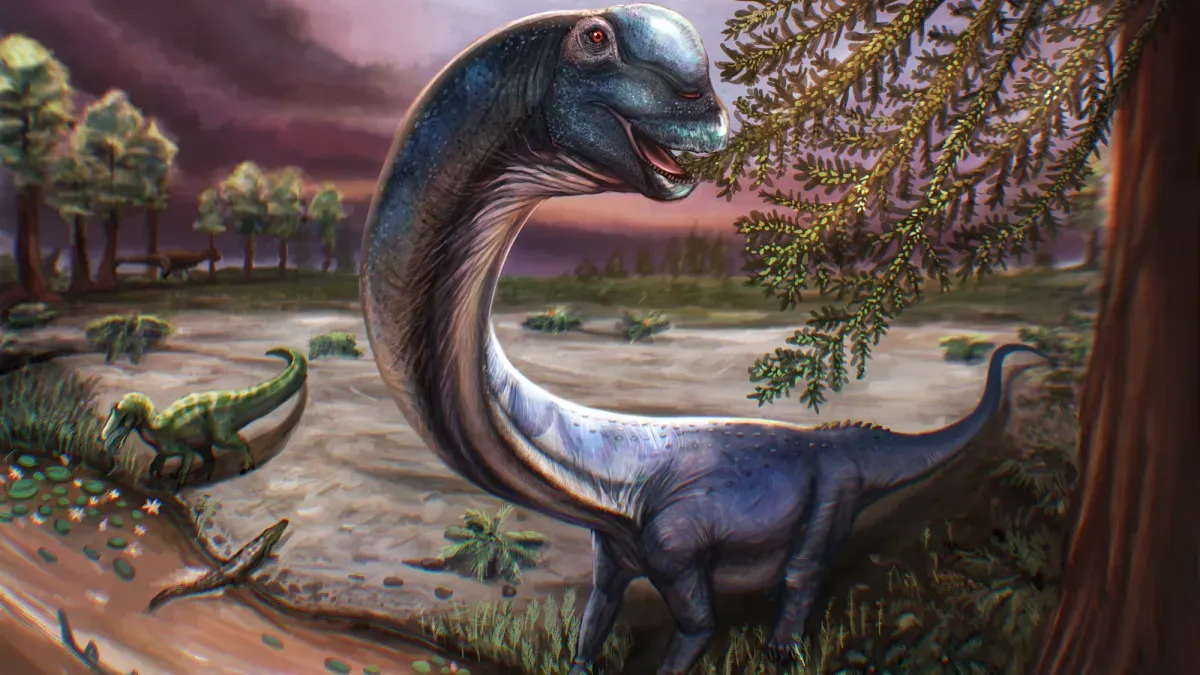
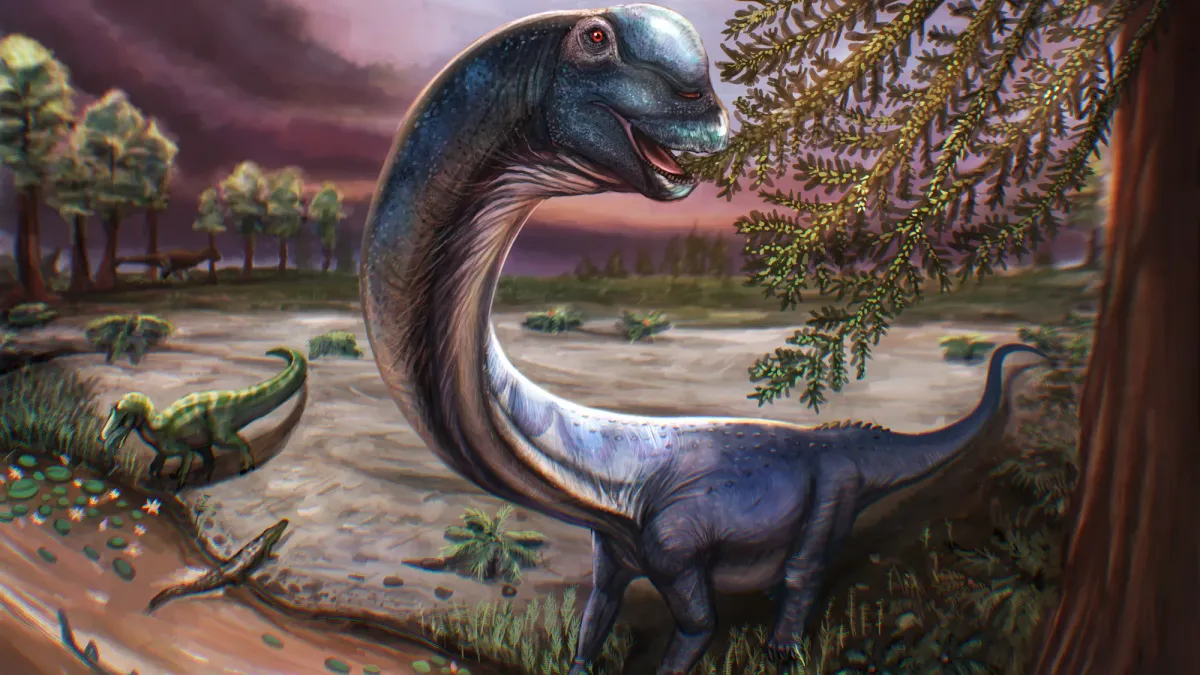
Imagine a creature so massive it tipped the scales at roughly 59,500 pounds—that's nine adult Asian elephants, for the record—and stretched 88.5 feet long. Now imagine it peacefully munching on plants in what is now Thailand, millions of years ago. That's Nagatitan chaiyaphumensis, the newly crowned "Last Titan of Thailand," and the largest dinosaur ever found in Southeast Asia.
Its bones, including a front leg bone as long as a human, were unearthed about a decade ago near a pond in northeastern Thailand. Because apparently, that's where you find your record-breaking, ancient giants.
The Legend of Nagatitan
This colossal plant-eater was a sauropod, the same family that gave us the Brontosaurus (because who doesn't love a good long-neck?). But Nagatitan wasn't just big; it was impressively big. Thitiwoot Sethapanichsakul, a study co-author and PhD student from Thailand, points out it weighed at least 10 tons more than the famous Dippy the Diplodocus.
We're a new kind of news feed.
Regular news is designed to drain you. We're a non-profit built to restore you. Every story we publish is scored for impact, progress, and hope.
Start Your News DetoxThough, to keep things in perspective, it was still smaller than the truly gargantuan Patagotitan (a mere 60 tons) or Ruyangosaurus (50 tons). Because even among titans, there's a pecking order.
Its name is a delightful mashup: "Naga" from Thai folklore's mythical aquatic serpent, and "Titan" from Greek mythology's giants. "Chaiyaphumensis" simply means "from Chaiyaphum," the Thai province where its fossilized remains decided to make their grand reappearance. Sethapanichsakul affectionately calls it the "last titan" because it was found in Thailand's youngest dinosaur-bearing rock formation. The region later turned into a shallow sea, effectively closing the dino-discovery window.
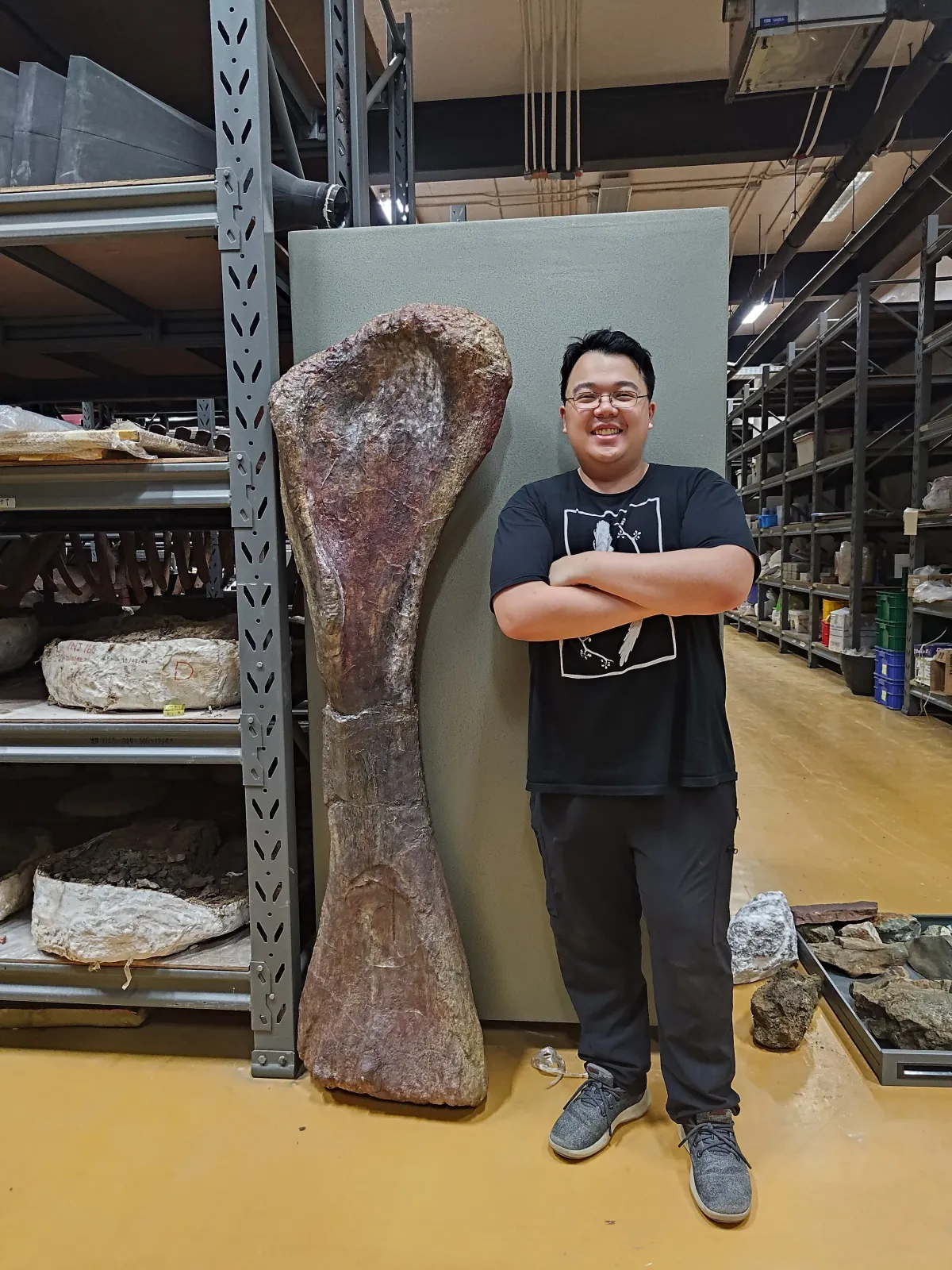
This gentle giant roamed between 100 and 120 million years ago during the Early Cretaceous period. Northeastern Thailand, then a semi-arid landscape, was apparently prime real estate for sauropods, whose long necks and tails were surprisingly good at shedding heat. The bones were discovered in what was likely a winding river system, bustling with fish, crocodiles, and even freshwater sharks. Because apparently, life finds a way to be interesting, even 100 million years ago.
Nagatitan shared its turf with smaller plant-eaters like iguanodontians and ceratopsians (think Triceratops's cousins), plus a healthy dose of large carnivores and flying pterosaurs. A true prehistoric neighborhood watch.
The research, published in Scientific Reports, places Nagatitan in the Euhelopodidae group, previously only found in Asia. It's the 14th dinosaur named in Thailand, and if you're ever in Bangkok, you can see a life-size model at the Thainosaur Museum. As for Sethapanichsakul, he sums it up perfectly: "This study doesn’t just establish a new species but also fulfils a childhood promise of naming a dinosaur." Which, if you think about it, is both impressive and slightly terrifying for anyone who promised their childhood self they'd become an astronaut.