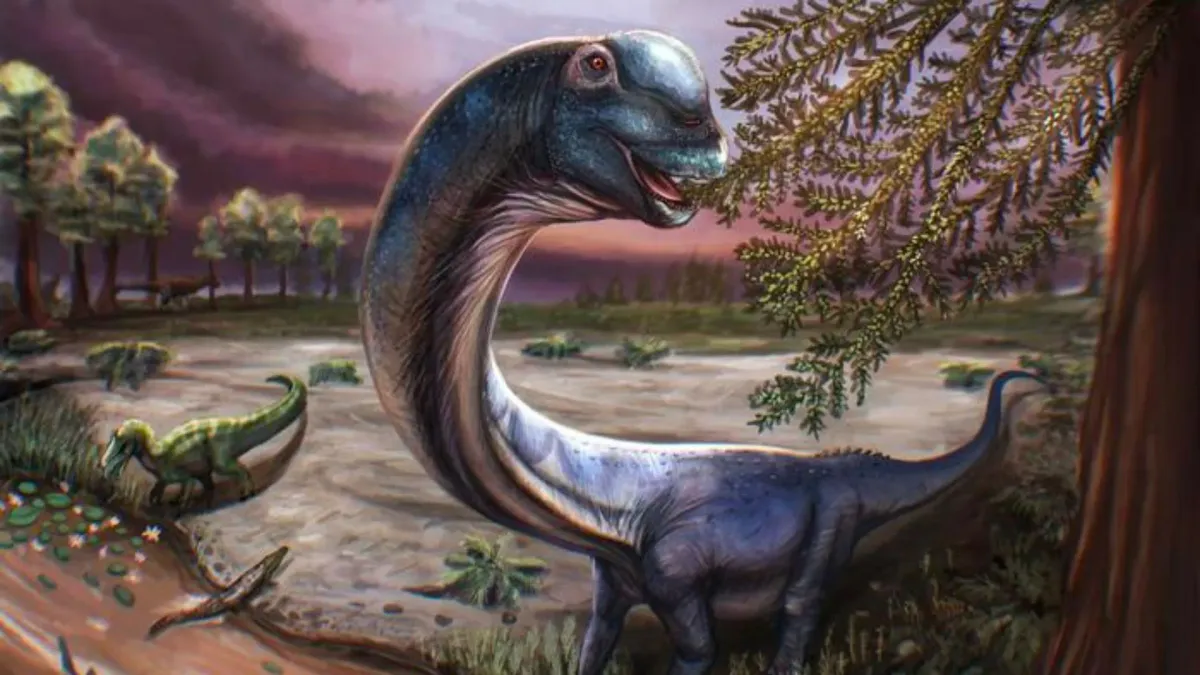
Imagine unearthing something truly massive. Something that, for ten years, was just... bones by a pond in northeast Thailand. Now, those bones have finally been identified. And they belong to a brand-new dinosaur that makes the famous Dippy the Diplodocus look a little on the lean side.
Meet Nagatitan chaiyaphumensis, a name that rolls off the tongue like a truly ancient beast. Researchers have affectionately — and accurately — nicknamed it "The Last Titan." Why? Because it was found in Thailand's youngest dinosaur-bearing rock formation. Essentially, it might be the region's final hurrah for these colossal creatures before the whole area became a shallow sea.
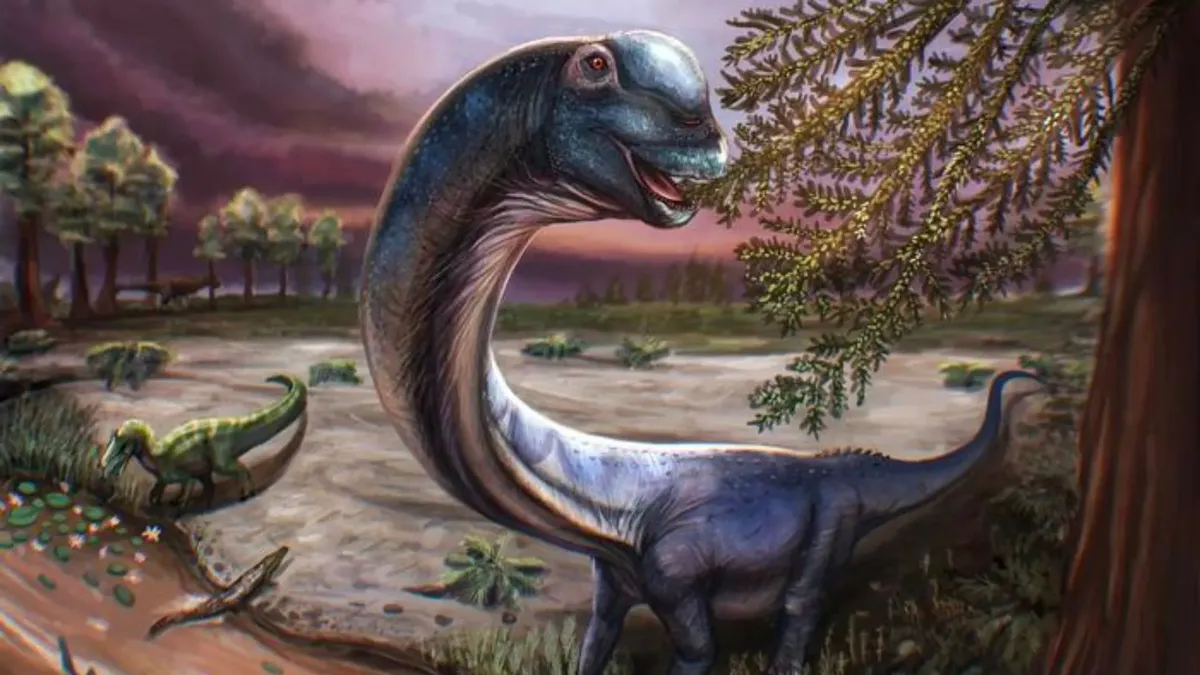
This isn't just any dinosaur; it's the largest ever found in Southeast Asia. Paleontologists from a collaboration of universities and museums, including UCL in London and Mahasarakham University in Thailand, pieced together its story.
We're a new kind of news feed.
Regular news is designed to drain you. We're a non-profit built to restore you. Every story we publish is scored for impact, progress, and hope.
Start Your News DetoxMeet the New Heavyweight Champion
Let's talk scale. One front leg bone alone stretches 1.78 meters (5.8 feet) — which is roughly the height of an average grown man. This sauropod, a long-necked, plant-eating marvel, weighed in at a staggering 27 tonnes. That's the equivalent of nine adult Asian elephants. From snout to tail, Nagatitan measured 27 meters (88 feet). For context, Dippy the Diplodocus weighs about 10 tonnes less. So, yeah, this thing was big.
Nagatitan chaiyaphumensis roamed what is now Thailand about 100 to 120 million years ago, during the Early Cretaceous period. It was a specialist, perfectly adapted to the dry, river-laced landscapes of ancient Thailand, munching on plants while sharing its turf with everything from iguanodontians to freshwater sharks and even flying pterosaurs.
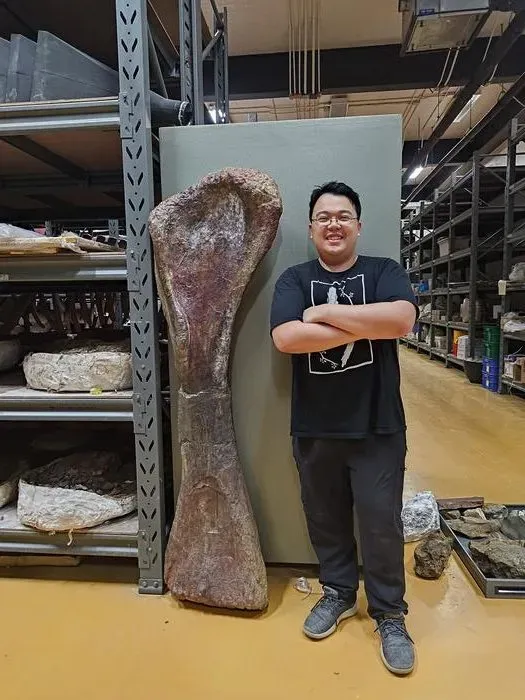
The name itself is a blend of myth and geography. "Naga" comes from a mythical serpent in regional folklore, while "Titan" is a nod to Greek mythology's giants. "Chaiyaphumensis" honors Thailand's Chaiyaphum province, where this magnificent creature was discovered. It's the 14th unique dinosaur species named in Thailand, which, according to Dr. Sita Manitkoon of Mahasarakham University, might just have the third-most abundant dinosaur remains in all of Asia.
So, while paleontology might be a relatively new field in Thailand, it's clearly making up for lost time. And thanks to a new generation of local researchers, we're still uncovering the truly colossal stories buried beneath our feet.