Today, it seems the grand narratives of progress were quietly overshadowed by the power of the granular. From the microscopic dance of gluons to a newborn's first blood sample, this week's breakthroughs remind us that the most profound changes often begin on the smallest scales.
The Unseen Revolution: Probing the Smallest Scales
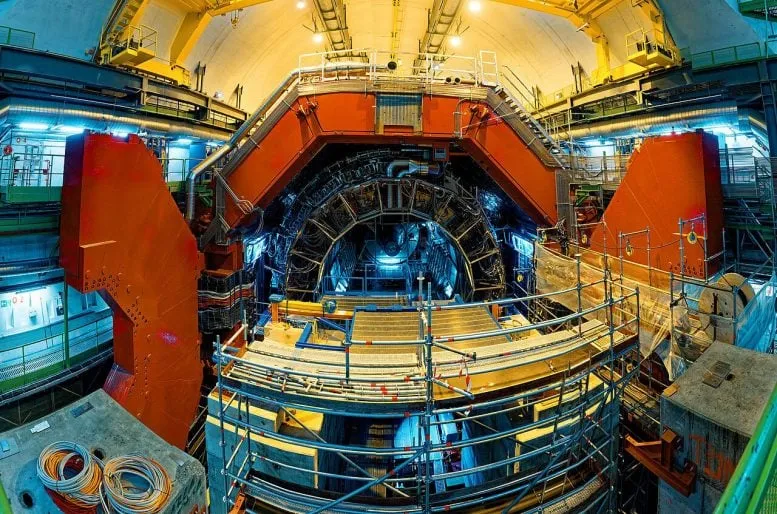
Sometimes, the biggest stories are happening where we can't see them. This week, two distinct scientific endeavors pushed the boundaries of the minuscule, revealing that even the most fundamental particles and processes hold unexpected secrets. At CERN, scientists found something weird happening deep inside atomic nuclei, suggesting that gluons—the particles that bind protons and neutrons—are behaving collectively at scales previously thought too small. It's like discovering a synchronized dance where you only expected random jostling.
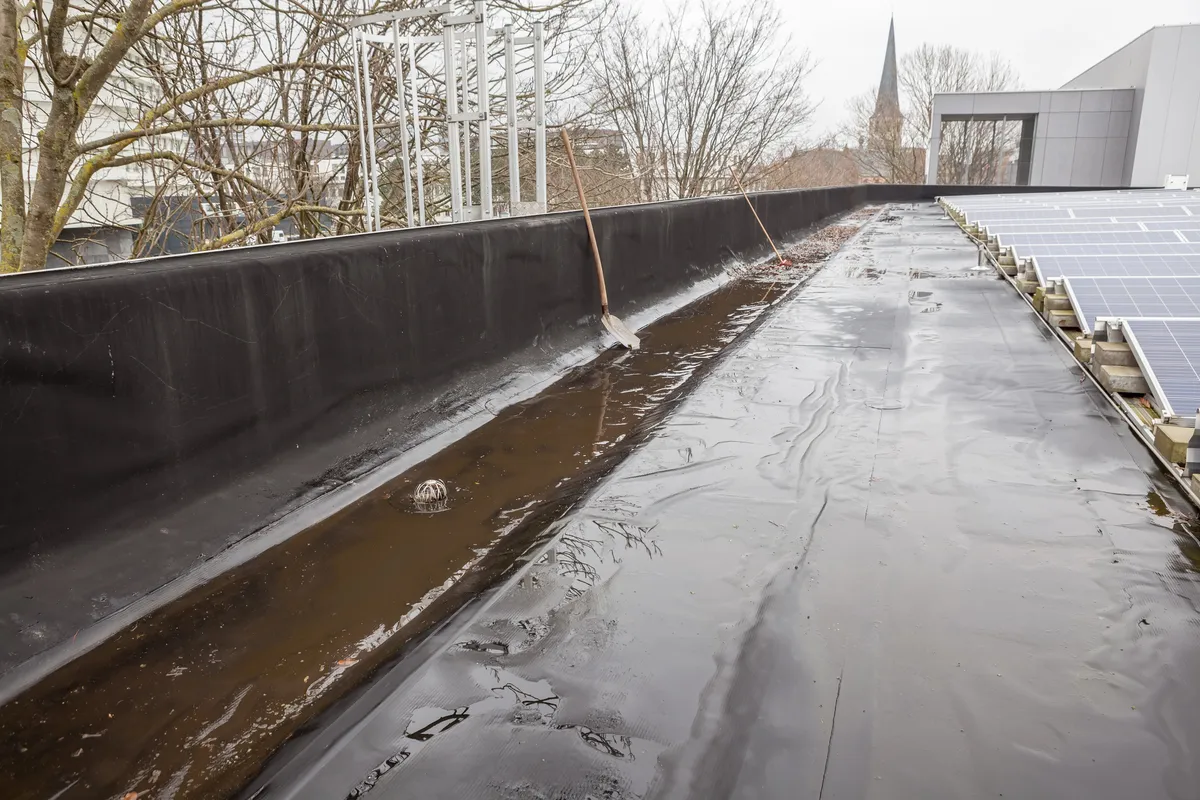
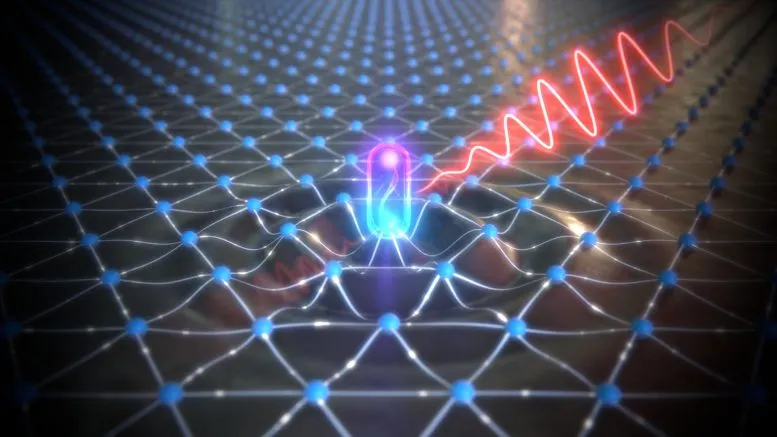
Meanwhile, in the equally baffling world of quantum mechanics, scientists just used light to peek inside a quantum crystal’s electron dance. By illuminating an exotic crystal, they were able to observe the hidden, collective motion of electrons, a feat that sheds light on the very nature of matter. These aren't headlines about new gadgets, but they are the quiet, foundational shifts that underpin the next generation of everything. If you've ever wondered how the universe really works, this week offered two profound peeks behind the curtain.
We're a new kind of news feed.
Regular news is designed to drain you. We're a non-profit built to restore you. Every story we publish is scored for impact, progress, and hope.
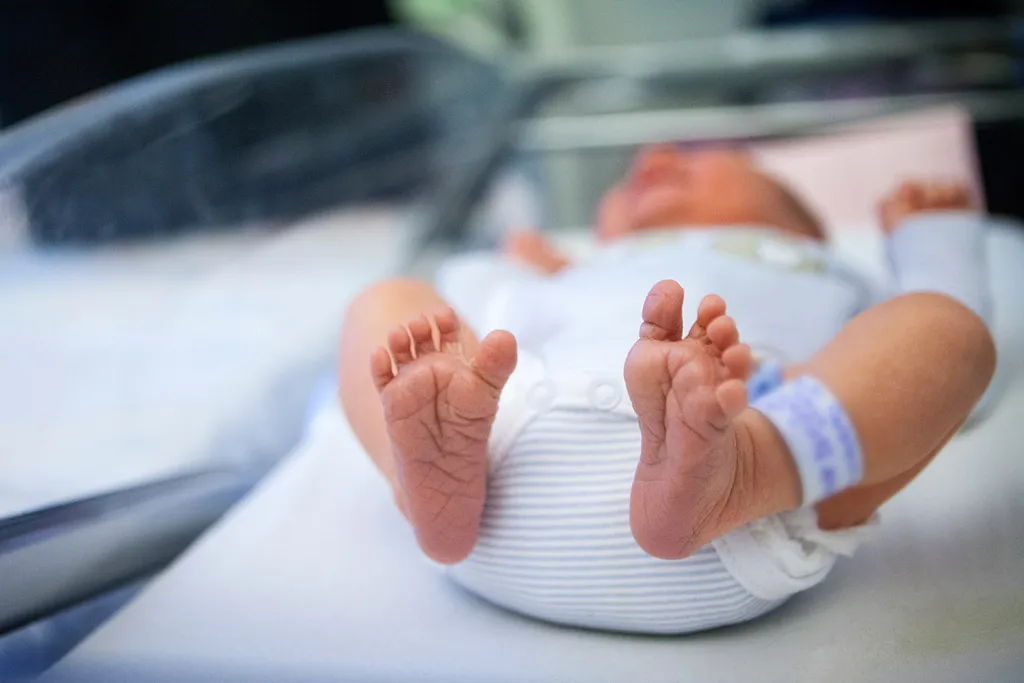
Start Your News Detox"Blood samples routinely collected at birth could be used for genetic testing, potentially helping 1,000 children a year." — Read the full story
Health Beyond the Horizon: Proactive & Unexpected
Health news this week wasn't just about treating illness, but about anticipating it and finding surprising side benefits. Consider the profound potential of a tiny heel prick that could soon predict cancer risk at birth. This isn't science fiction; it's a proposal to add genetic testing to routine newborn screening, potentially identifying cancer risks for a thousand children annually. It shifts the paradigm from reaction to proactive intervention, offering families invaluable early warning.
Then there's the story of GLP-1 drugs. While initially hailed for weight loss, these medications are showing surprising new perks far beyond their original scope. Researchers are uncovering a cascade of additional benefits that hint at a much broader impact on human health. What this means for you: Healthcare is quietly but powerfully moving towards prevention and discovering new leverage points, promising a future where health challenges are met earlier and with more comprehensive tools.
Systems Thinking: Interconnected Solutions to Big Problems
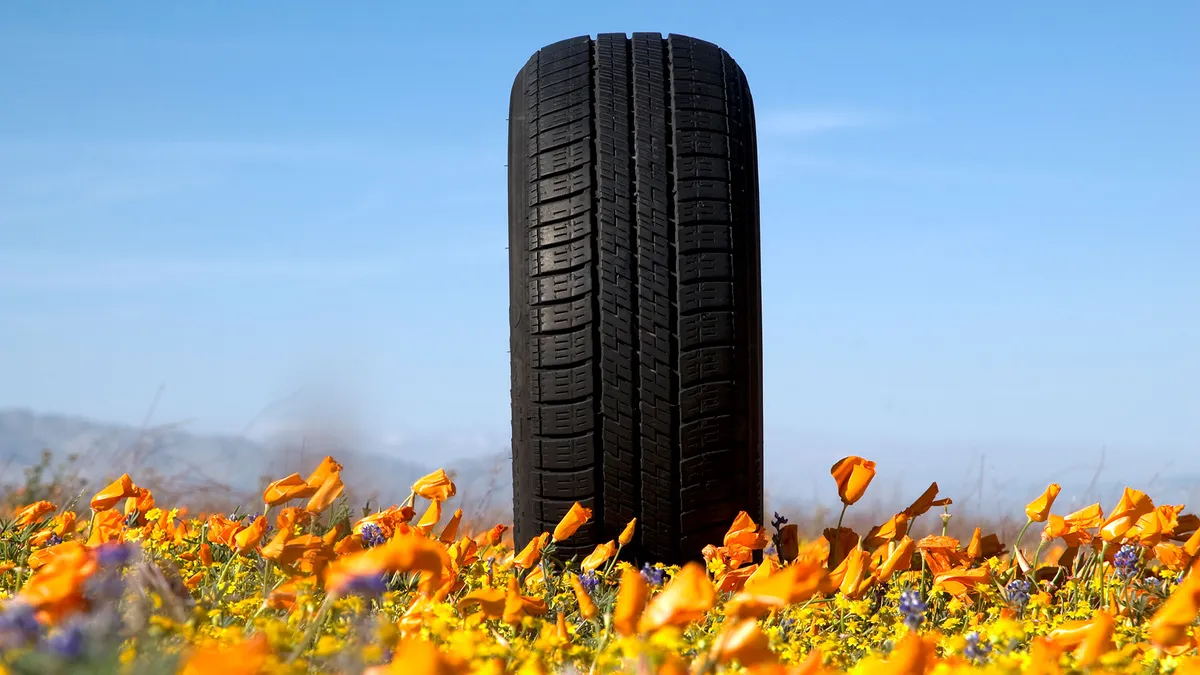
This week's news also highlighted a growing understanding that our biggest challenges aren't isolated, and neither are their solutions. California is leading the charge on this front. First, they became the first state to address a problem most people don’t know they have: inefficient tires. Their new rules could save drivers a billion dollars a year by tackling the overlooked drag of poorly designed tires. It’s a subtle shift with massive economic and environmental ripple effects.
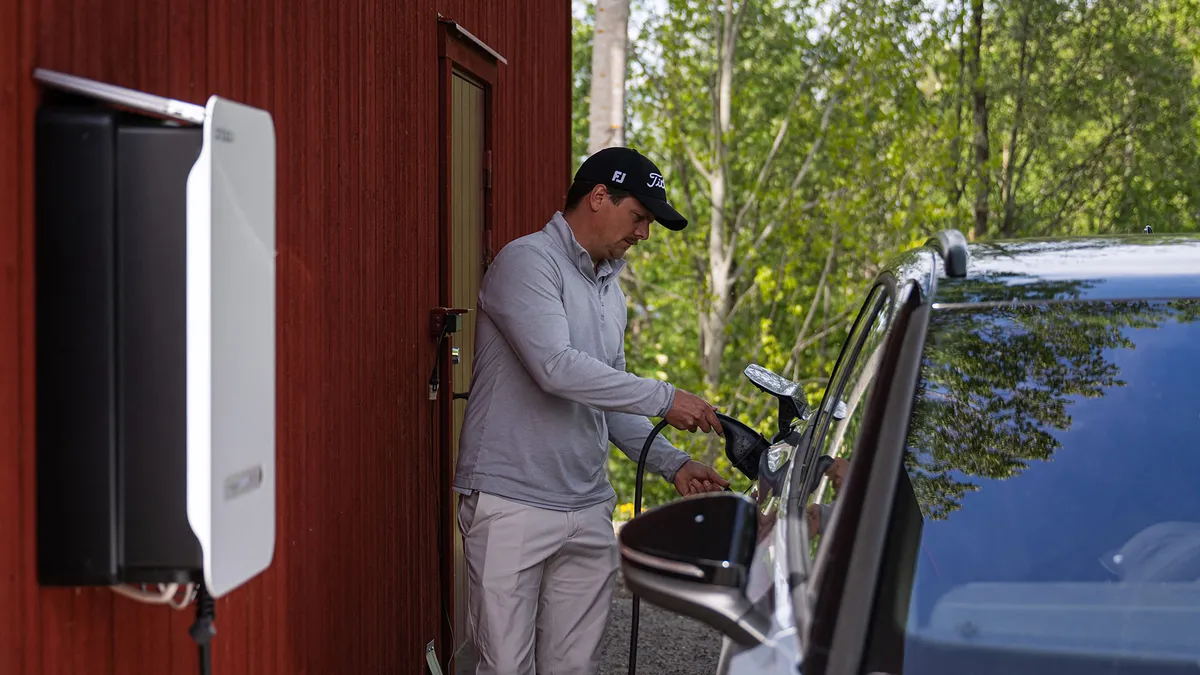
Then, the state offered another elegant solution to a looming energy problem: your EV could power your home — and save the entire grid. As California adds more renewables, intermittency becomes an issue. The solution? Using the massive battery capacity of parked EVs to stabilize the grid. It’s a brilliant reframing of a potential burden into a powerful asset. What this means for you: When we start seeing problems as interconnected systems, the solutions often emerge from unexpected places, turning existing infrastructure into game-changers.
Hope stat: $1 billion — annual savings for California drivers, thanks to new tire efficiency rules.
Watch this space: The continued ripple effects of California's regulatory innovations on other states and industries.