California has a bit of a thing with renewable energy. They're all in on solar and wind, which is great until the sun calls it a day or the wind decides to take a nap. To keep the lights on, the state has been building gigantic battery farms, boosting storage capacity by an eye-watering 2,100% since 2019. Because, apparently, you can never have enough batteries.
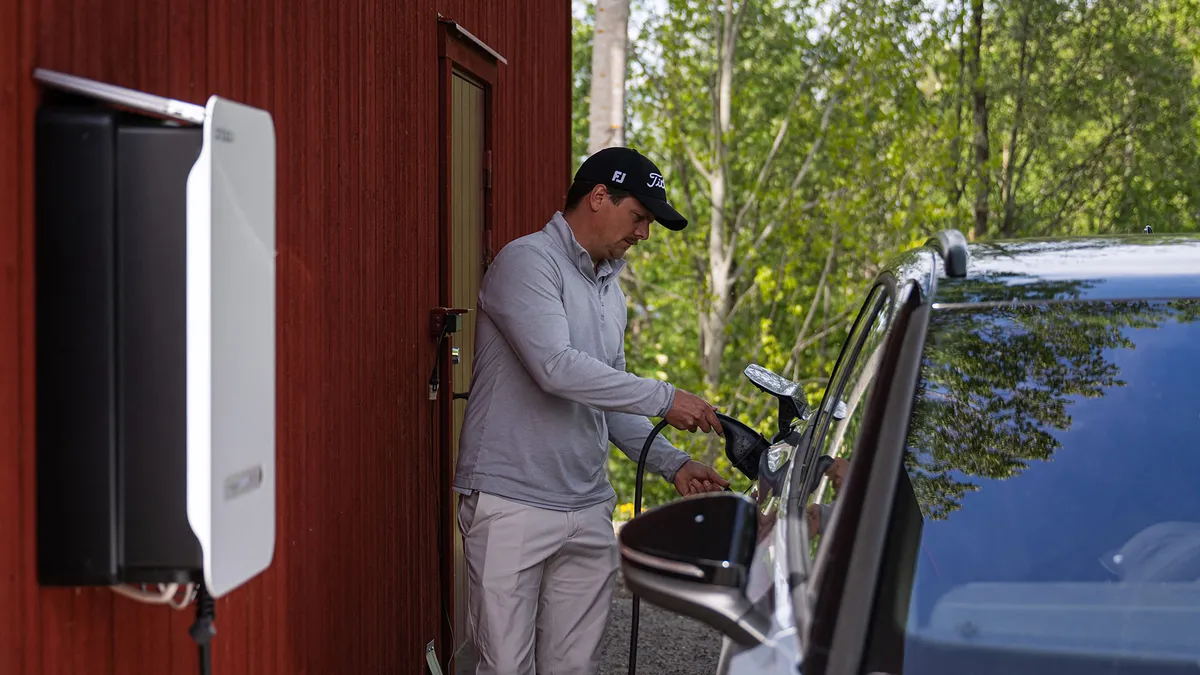
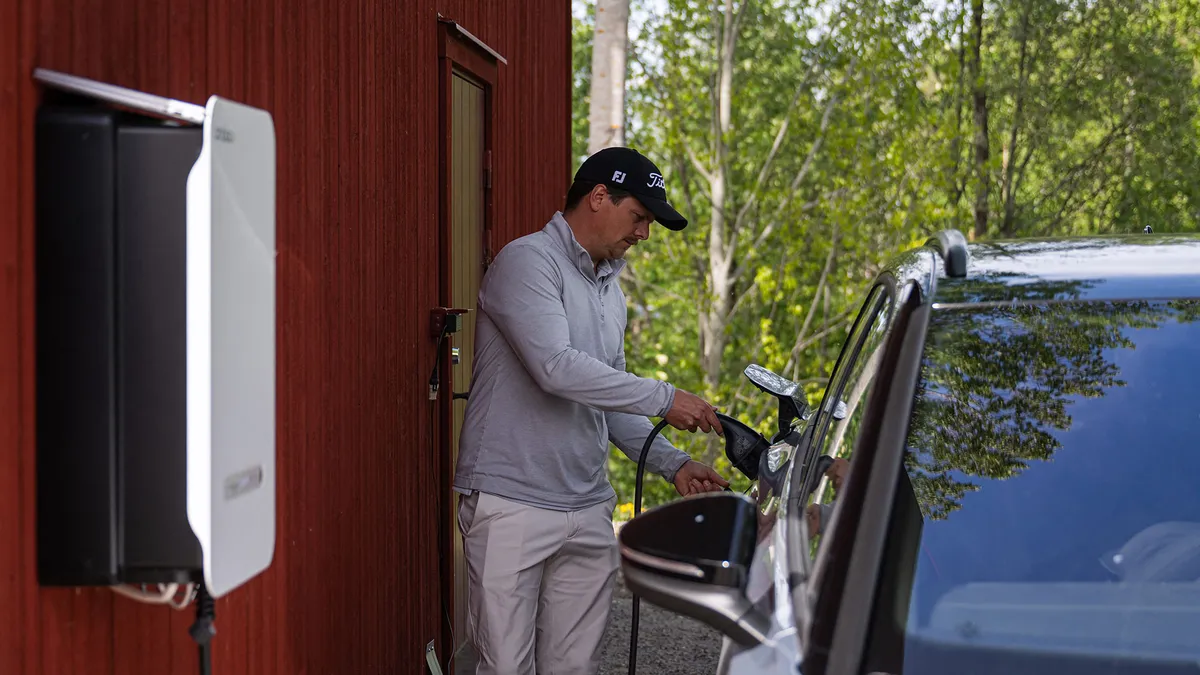
But what if the solution to California's grid woes has been sitting in driveways all along? Turns out, those sleek electric vehicles aren't just for getting from point A to point B. Many of them come with "vehicle-to-grid" (V2G) tech, meaning they can actually send power back to the grid. Think of it as your car moonlighting as a tiny power plant.
The Unexpected Powerhouse in Your Garage
A new report dropped a rather compelling number: if just 10% of California's EV owners joined V2G programs by 2036, they could provide a third of the state's long-term energy storage needs. Let that sink in. One-tenth of EV owners, and suddenly, we're talking about significantly reducing the need for those massive, expensive grid-scale battery facilities.
We're a new kind of news feed.
Regular news is designed to drain you. We're a non-profit built to restore you. Every story we publish is scored for impact, progress, and hope.
Start Your News DetoxPete Skala from grid software company Kevala, one of the report's co-authors, pointed out that even a small number of participants could make a huge difference. Combine V2G with other "flexible load" devices – things that can either give power back or just shift their usage – and you've got a recipe for faster renewable energy adoption, a stronger power system, and, crucially, lower costs for everyone.
When the Grid Gets Grumpy
It's not just California. Grids across the country are getting a workout. More people are swapping gas stoves for electric, heating their homes with heat pumps, and, of course, driving EVs. Then there are the data centers, quietly gobbling up power like it's going out of style. Add hotter weather and everyone cranking the AC in the evenings, and you've got a recipe for peak demand that makes utilities sweat.
Historically, utilities would just fire up some natural gas plants to meet this demand. But now, with so much solar power, the sun dips just as everyone gets home, flips on the lights, and demands cool air. This creates a massive, expensive gap that those big battery facilities are meant to fill.
EVs, however, offer a rather elegant solution. They spend most of their lives just sitting there, plugged in. Why not put that parked potential to work? Skala notes that tapping into this resource could mean fewer new, costly grid-scale storage projects, which ultimately means fewer rate hikes for customers. Because no one enjoys opening their electricity bill to find a surprise.
The report even suggests a compensation plan for EV owners who contribute power – a little incentive to share the juice. Owners could also set limits on how much power their car gives, ensuring they don't wake up to a drained battery when they need to hit the road. The best part? Even non-EV owners would benefit from more stable electricity rates. Which, if you think about it, is a pretty sweet deal for everyone.
The Flexible Future of Power
Beyond V2G, the report also champions combining these efforts with demand reduction strategies. Some utilities already have programs where homeowners agree to nudge their thermostat up a degree or two during heat waves. It's called "demand response," and it's basically a fancy way of saying, "Let's all chill out a little so the grid doesn't melt down."
Between V2G and smart demand response, we're looking at a future where people become active participants in the grid. It's about supporting renewables, making electricity more affordable, and turning your car into a hero. All while it's just sitting there anyway. Because apparently that's where we are now.