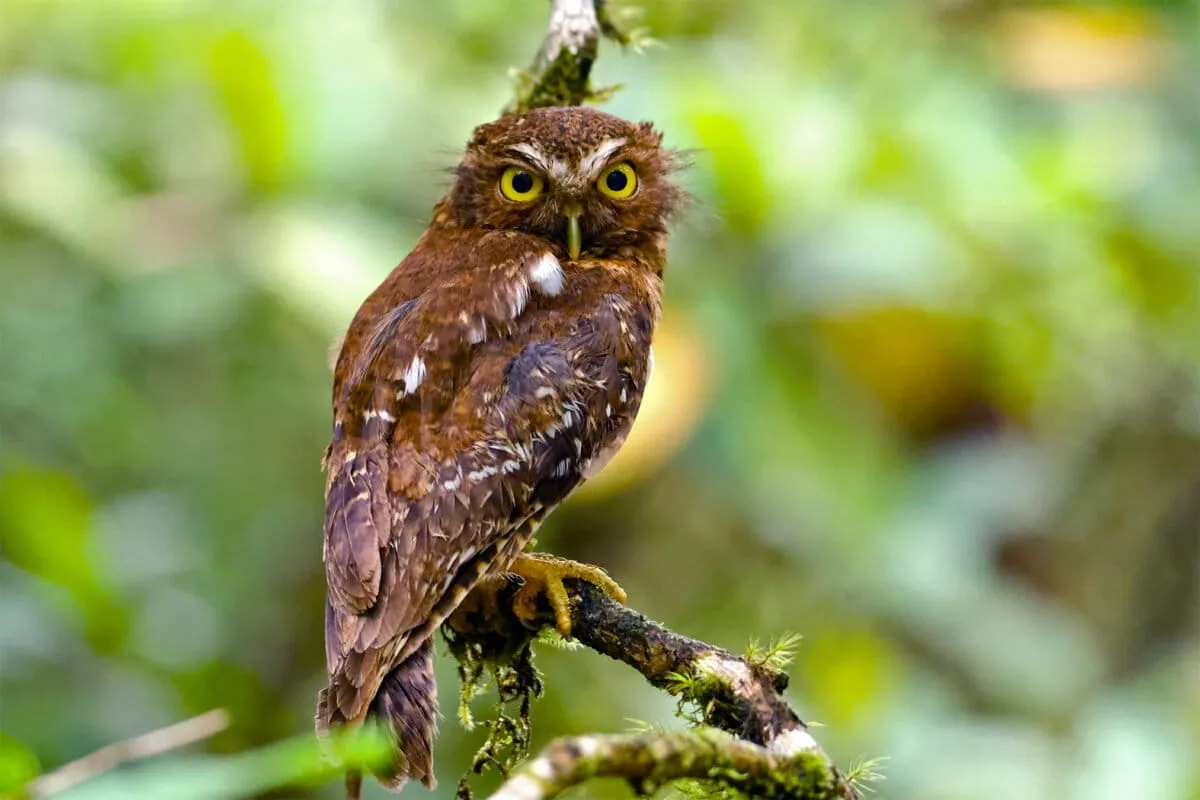
British wildlife photographer Margot Raggett had a thought, sparked by none other than David Attenborough: What if, one day, the only place our kids see an elephant is in a picture book? It’s a question that makes you sit a little straighter, isn’t it? Raggett decided to do more than just ponder it; she launched the "Remembering Elephants" book series, aiming to make people think and raise some serious cash for conservation.
The books took off, which is a good thing, because it meant Raggett could keep going. She even started her own nonprofit, Remembering Wildlife. She notes that some folks get a bit miffed, thinking, "Elephants? They're everywhere!" But that's precisely the point: to make us all hit pause and actually consider the very real, very present risks these magnificent creatures face.
More Than Just Pretty Pictures
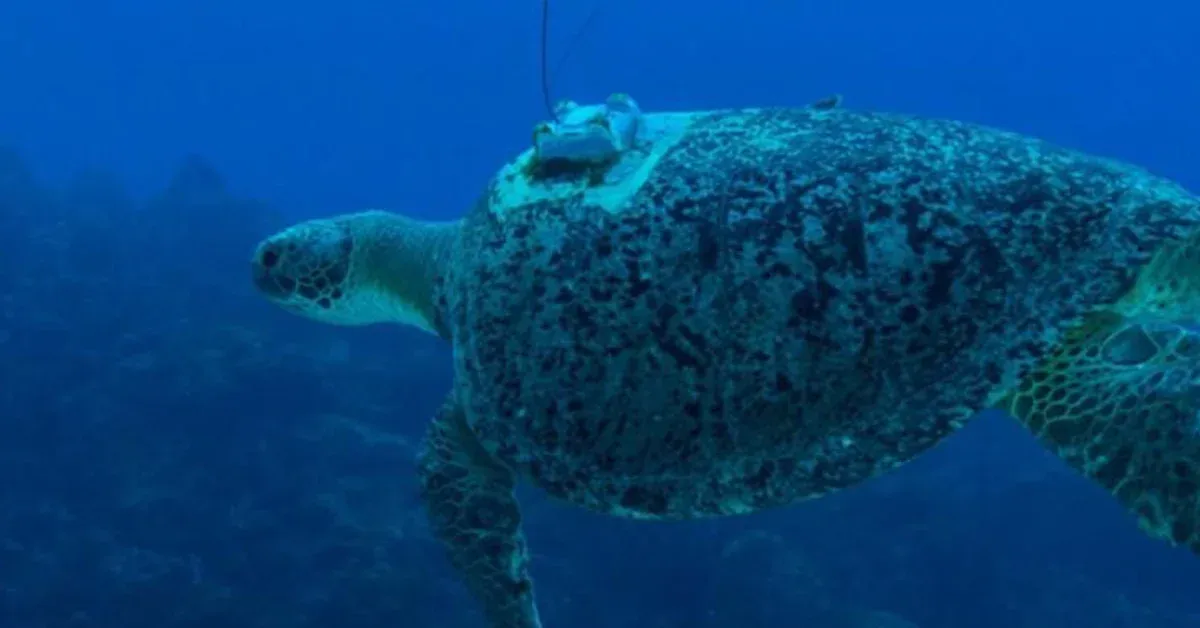
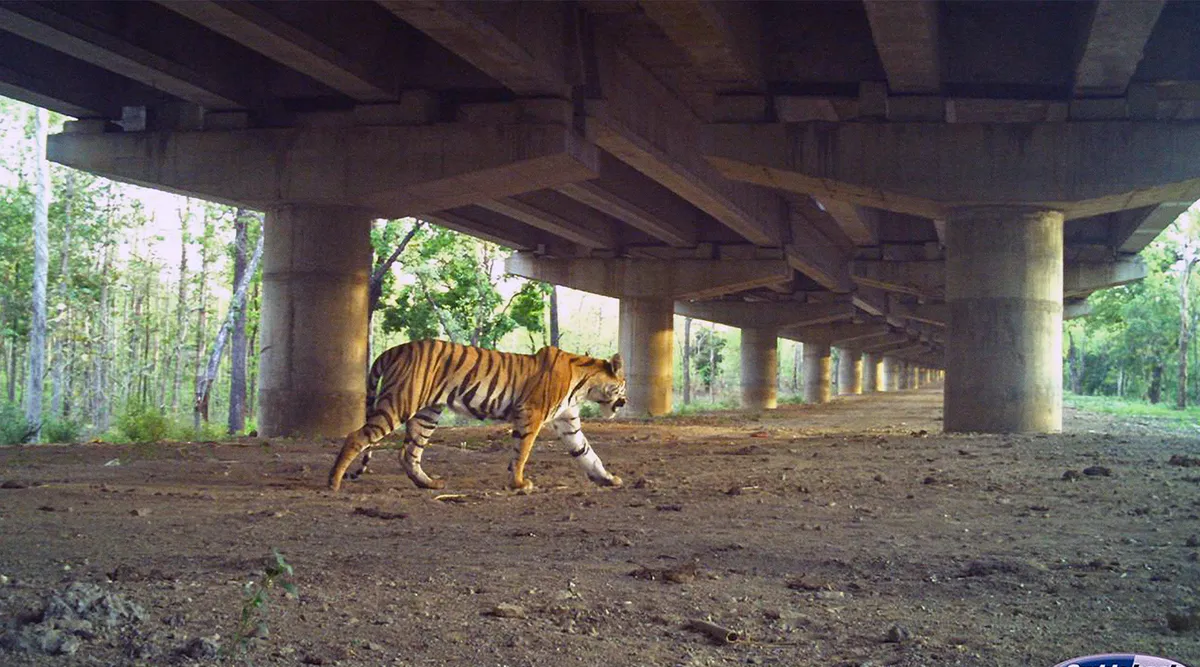
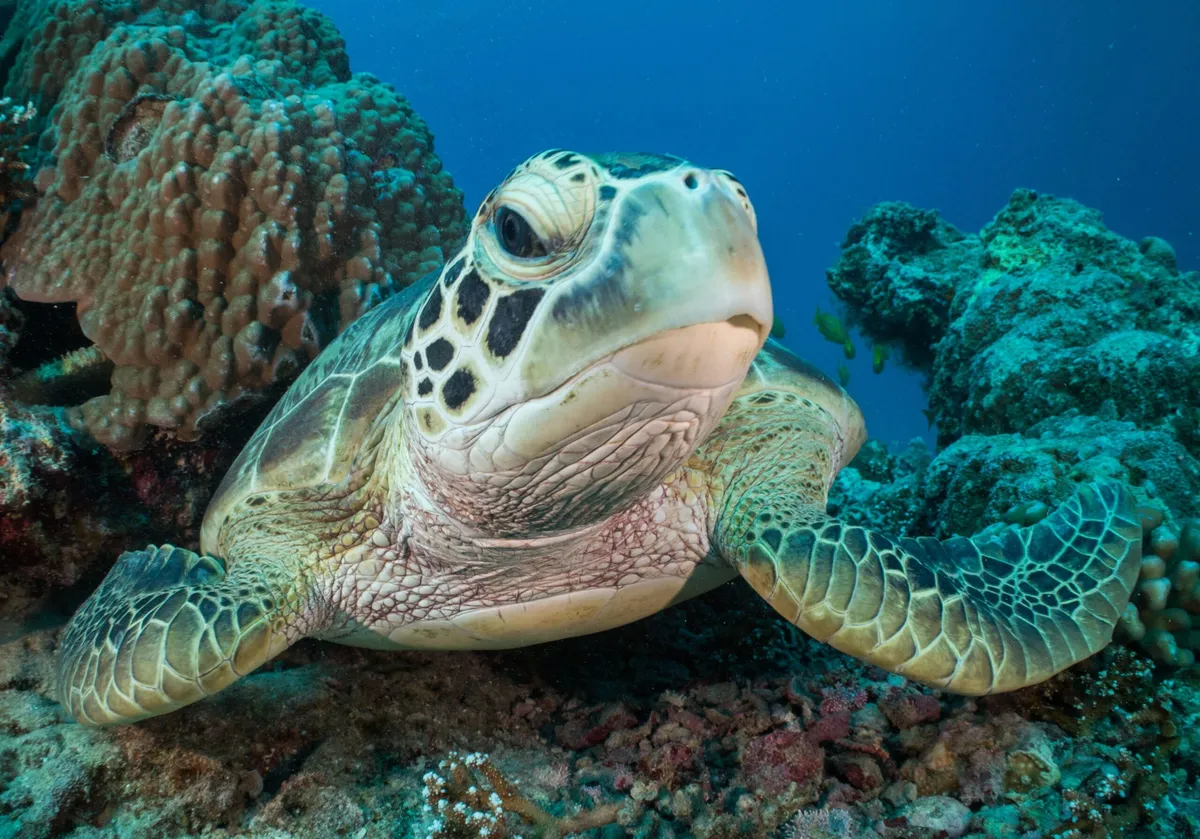
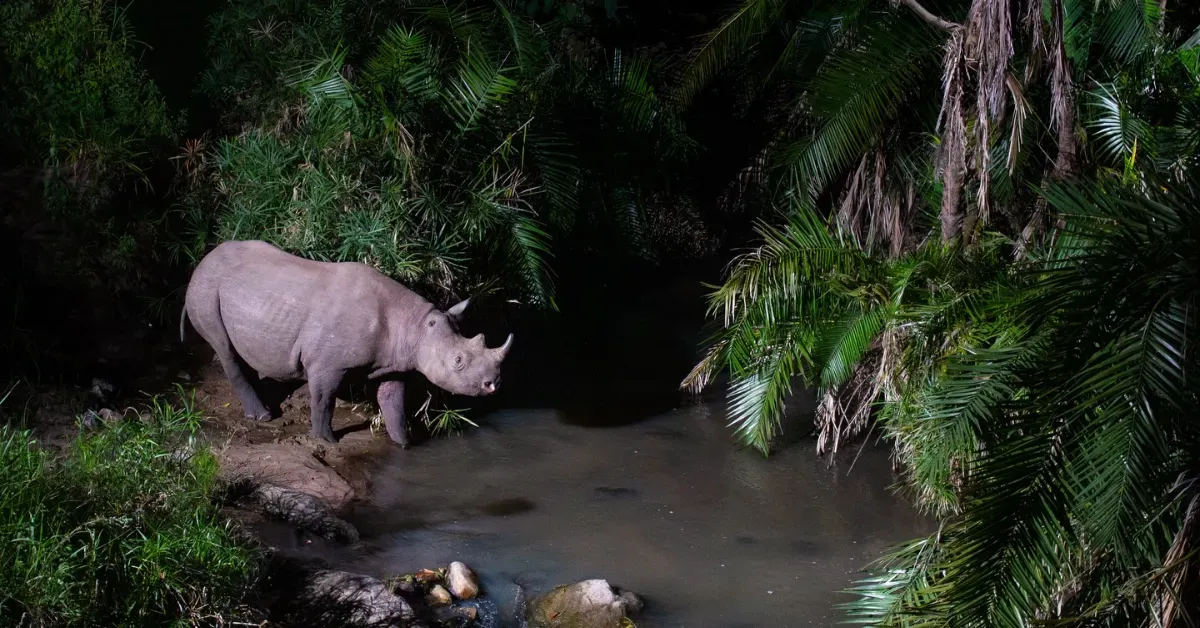
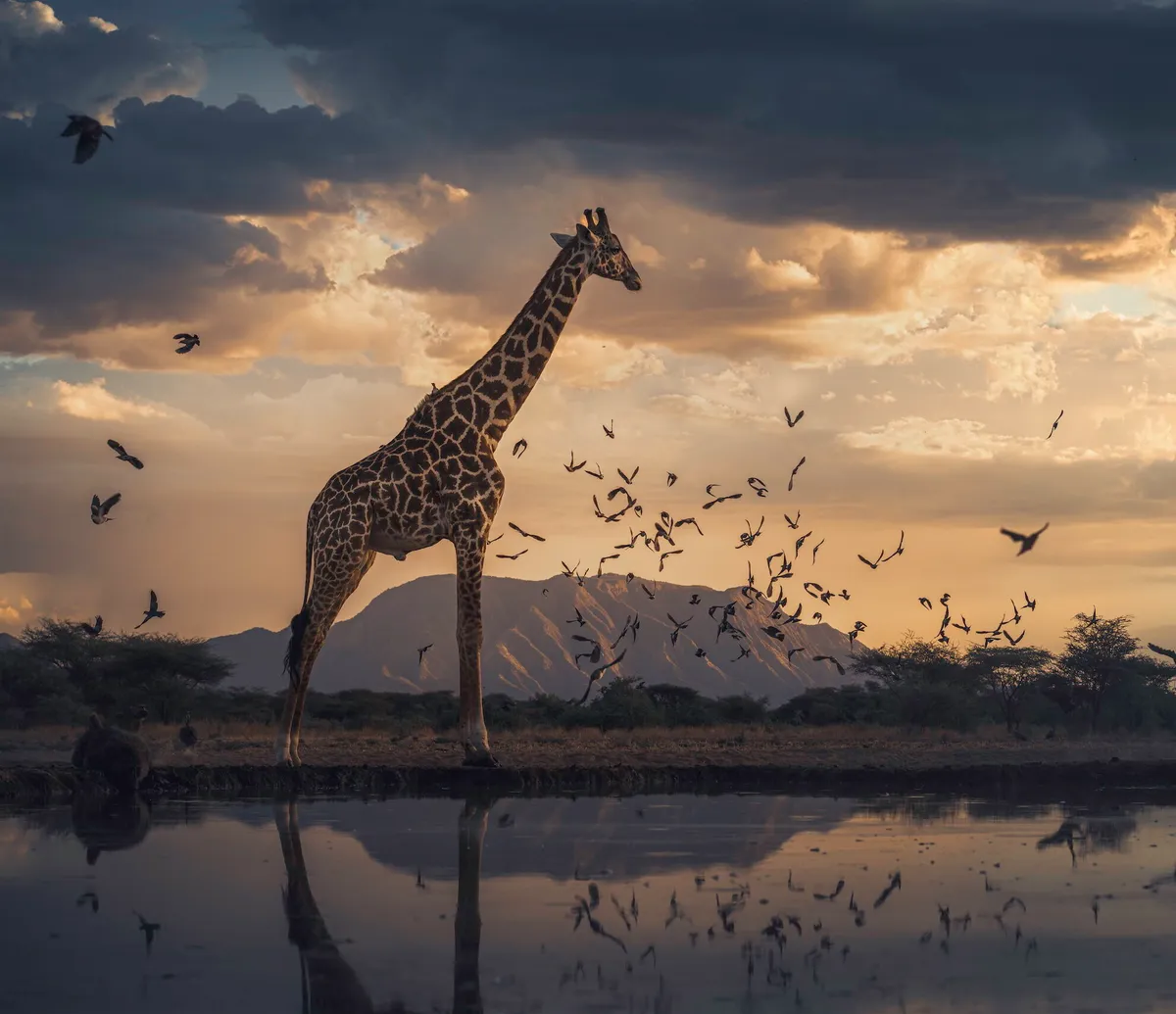
Fast forward a bit, and Raggett has now published 11 books in the series. Her latest, "Remembering Giraffes," is set to drop on October 12. For each volume, she wrangles stunning photographs from top wildlife photographers across the globe – because if you’re going to make people care, you might as well show them what they’re fighting to save in the most breathtaking way possible.
We're a new kind of news feed.
Regular news is designed to drain you. We're a non-profit built to restore you. Every story we publish is scored for impact, progress, and hope.
Start Your News DetoxTo date, Remembering Wildlife has pulled in over $1.6 million. Let that satisfying number sink in. That money has been channeled to 85 conservation groups spread across 35 countries, doing the boots-on-the-ground work. Getting that first book off the ground was no small feat, involving a Kickstarter campaign and chasing down photographers. During this whirlwind, Raggett also faced a breast cancer diagnosis, an experience she says only deepened her resolve. Because when you’re staring down your own mortality, the fate of a species suddenly feels incredibly, urgently personal.
It’s a reminder that sometimes, the most powerful way to protect the future is simply to make us remember what we stand to lose.