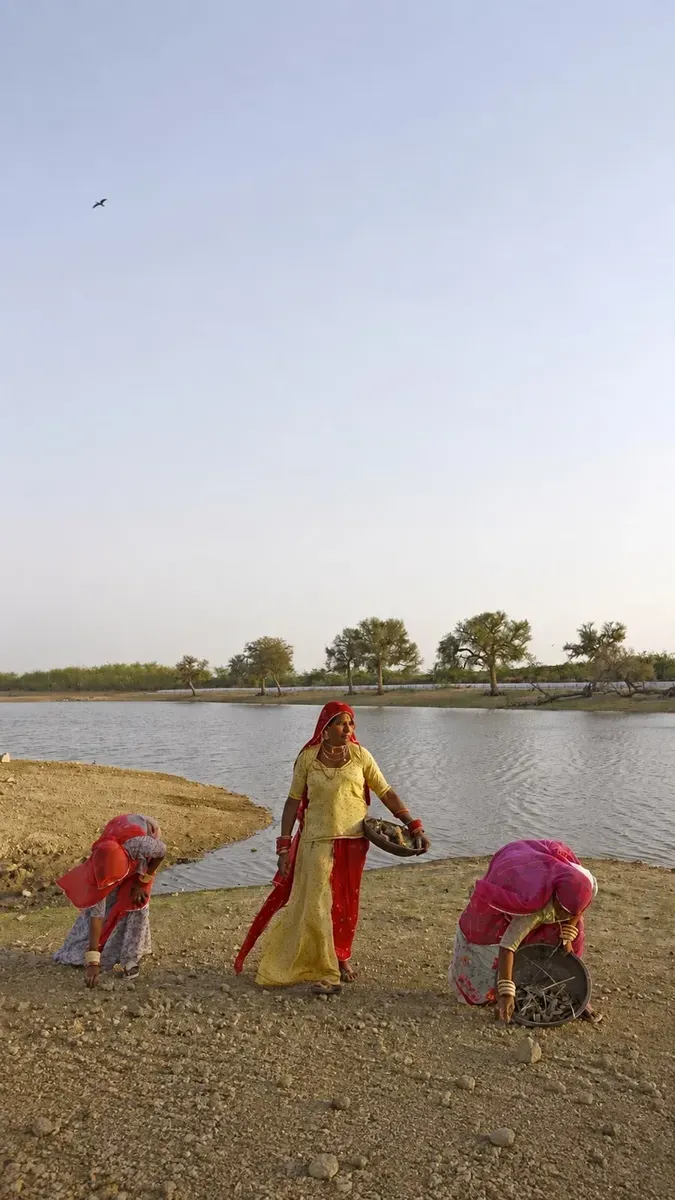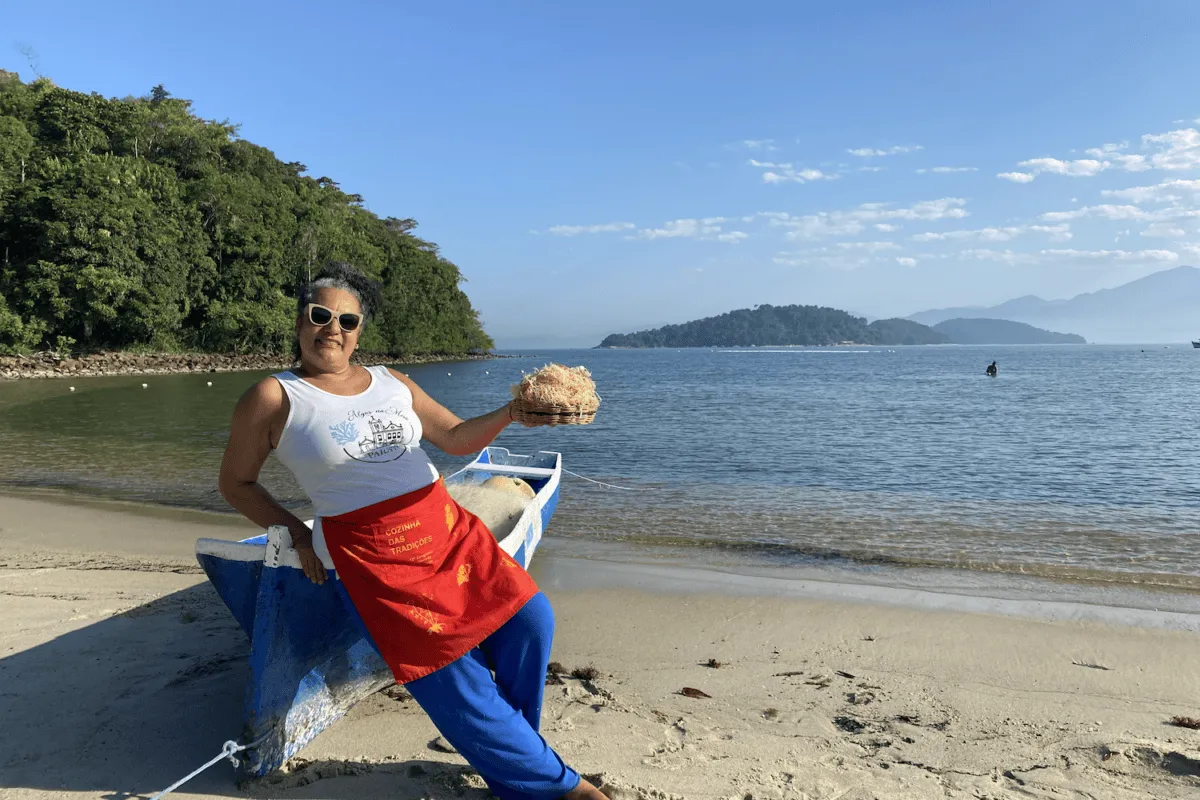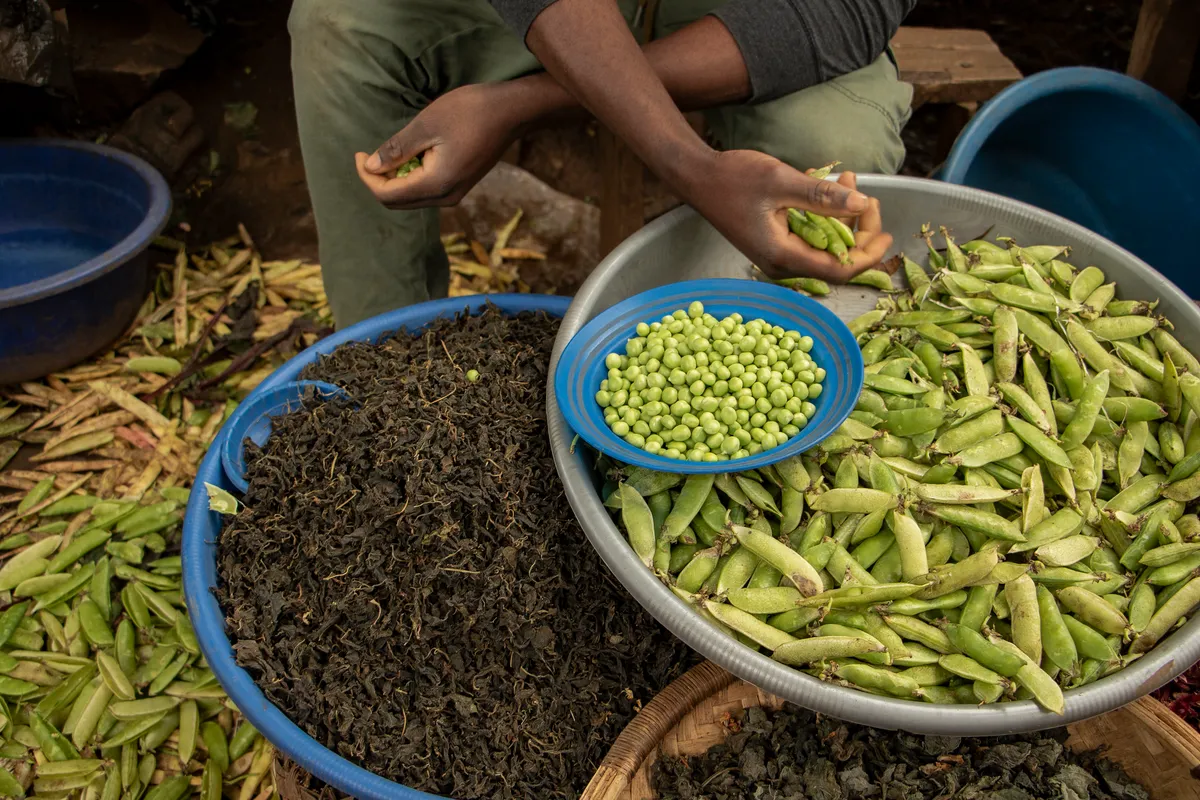
Turns out, some of the most effective solutions to our planet's biggest headaches — think biodiversity loss, climate change, and straight-up food shortages — aren't found in shiny new tech. They're found in ancient wisdom, specifically in Indigenous food sovereignty.
Here's the kicker: Indigenous communities manage about a quarter of Earth's land. That's a massive chunk, holding 37% of the world's remaining natural areas and a full third of its untouched forests. Let that satisfying number sink in.
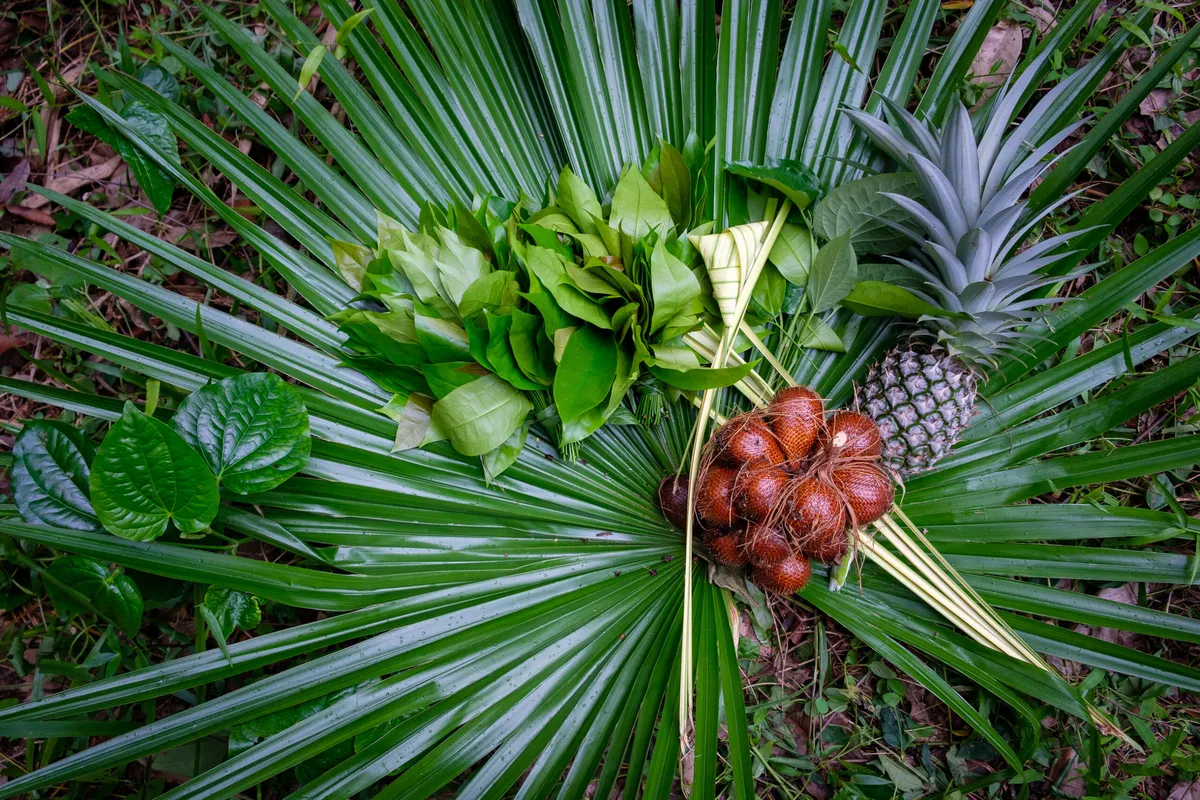
These are the folks who protect seeds, keep farming landscapes diverse, and act as diligent guardians of forests, rivers, and fish. They're also passing down generations of knowledge about nature, which, if you think about it, is both impressive and slightly terrifying that we've largely ignored it. Despite these undeniable benefits, their food systems are rarely a central player in big conservation plans. Which, frankly, seems like an oversight of epic proportions.
We're a new kind of news feed.
Regular news is designed to drain you. We're a non-profit built to restore you. Every story we publish is scored for impact, progress, and hope.
Start Your News DetoxThe Global Food System's Glaring Flaw
Our current global food system is, to put it mildly, a bit monotonous. Wheat, rice, and corn are doing most of the heavy lifting, making up over half of all plant-based calories worldwide. Profit-driven agriculture has transformed vast, vibrant landscapes into single-crop monoculture farms. The result? Lost habitats, depleted soil, polluted water, and a worrying lack of crop diversity.
This lack of variety leaves communities incredibly vulnerable to climate disasters, volatile markets, and a host of diet-related illnesses. It's like putting all your eggs in three very large, increasingly wobbly baskets.
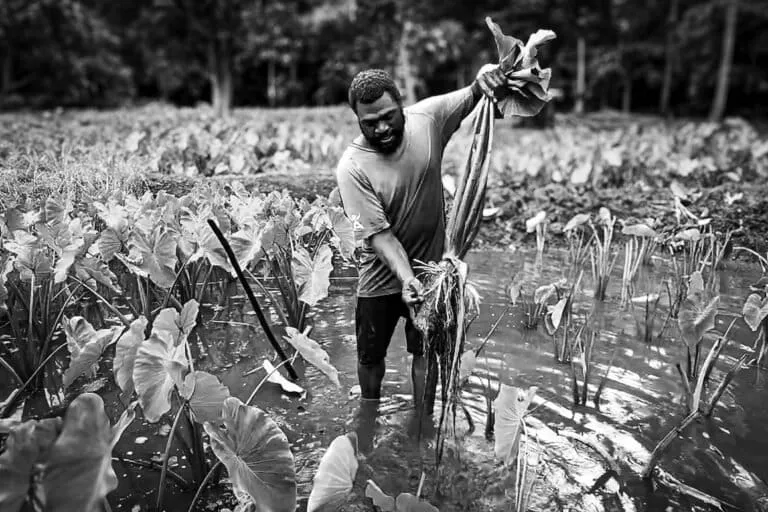
Indigenous food systems, on the other hand, operate on an entirely different philosophy. They're all about diversity, and a deep, reciprocal relationship with the land. Many Indigenous communities define wealth not by what they extract, but by what they nurture. Take the Tharu people in Nepal, for instance. For them, true wealth is found in mutual aid, sharing resources, and their sacred connection to the natural world. Perhaps it's time we started taking notes from the original experts.