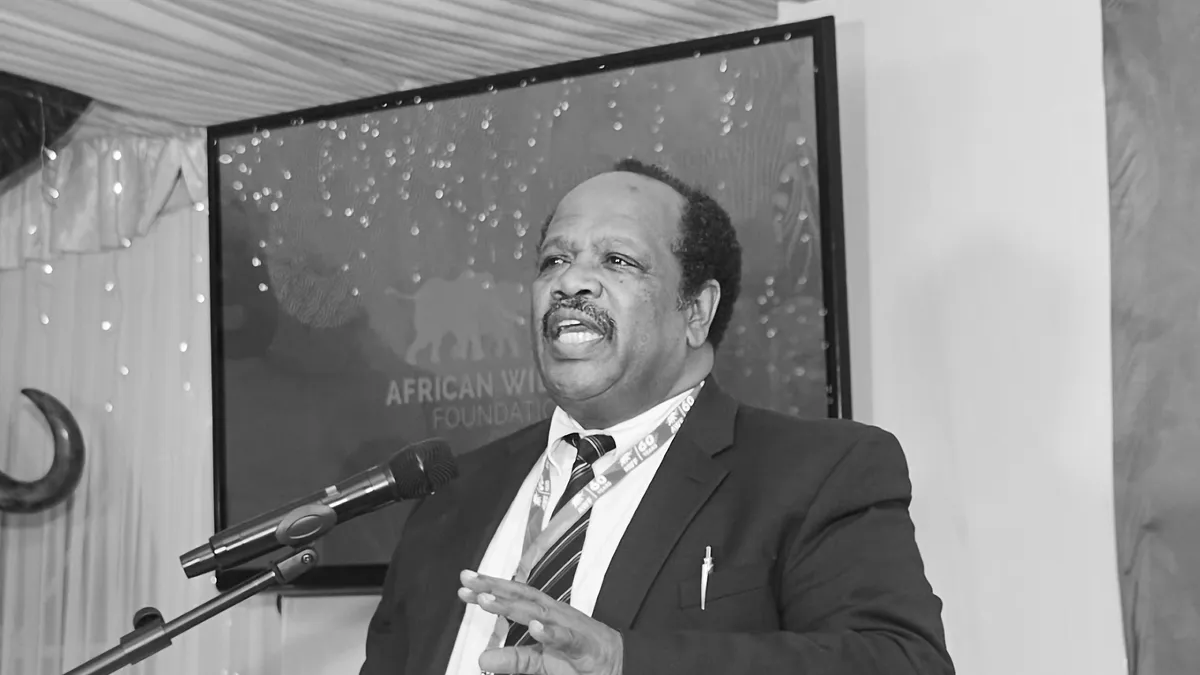
John Gospel Yonazi Salehe, who recently passed at 71, spent his life trying to solve a puzzle: How do you protect massive herds of elephants and wildebeest when their ancient migration routes are increasingly crisscrossed by human farms and villages?
His answer wasn't more fences or stricter laws. It was convincing the people living alongside the wildlife that these animals could actually be part of their future, not just a problem.
Salehe understood that the wildlife in places like Lake Manyara and Tarangire needed to roam. But those routes often cut straight through land used by farmers and herders. And as human settlements grew, the tension grew right along with them.
We're a new kind of news feed.
Regular news is designed to drain you. We're a non-profit built to restore you. Every story we publish is scored for impact, progress, and hope.
Start Your News DetoxHe wasn't naive. He knew people had real concerns: livestock being taken by predators, arguments over who got the money from conservation efforts. His genius was in tackling these head-on, not sweeping them under the rug.
The Man Who Put Communities First
Salehe was a trained forester who worked with pretty much every major conservation group you can name, eventually becoming the Tanzania country director for the African Wildlife Foundation. Over four decades, his focus was always the same: forests, wildlife, and people.
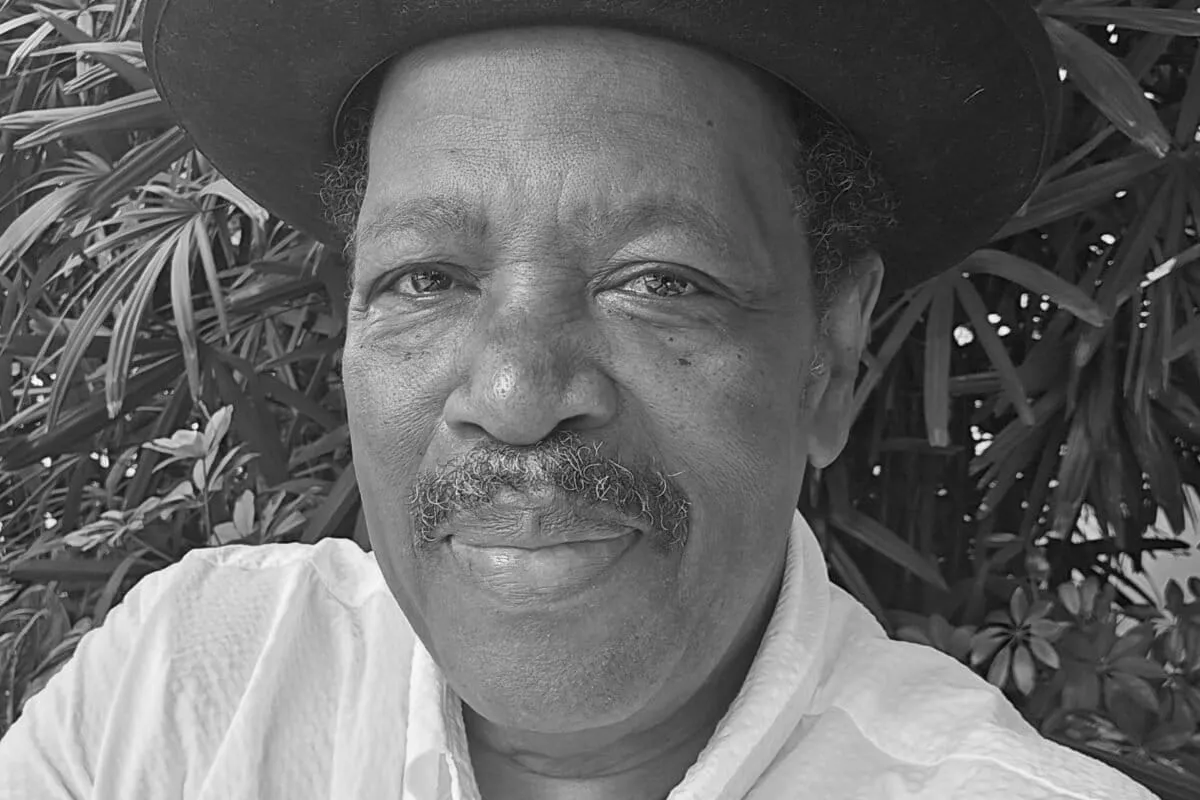
He didn't believe in telling communities what to do. He believed they should be at the absolute center of how conservation worked. In Tanzania's Maasai Steppe, he championed community-run Wildlife Management Areas, making sure the benefits of protecting wildlife actually reached individual households.
This meant practical, boots-on-the-ground solutions. Think predator-proof enclosures for livestock, and direct payments to people who lost animals to wildlife. Because when your livelihood is on the line, abstract conservation goals don't quite cut it.
He applied the same logic to forests. When woodlands were threatened by charcoal production and farming, Salehe argued that new rules had to come with new ways for people to make a living. Better farming techniques, smart land planning, and secure land ownership — these were his tools for reducing pressure on the environment.
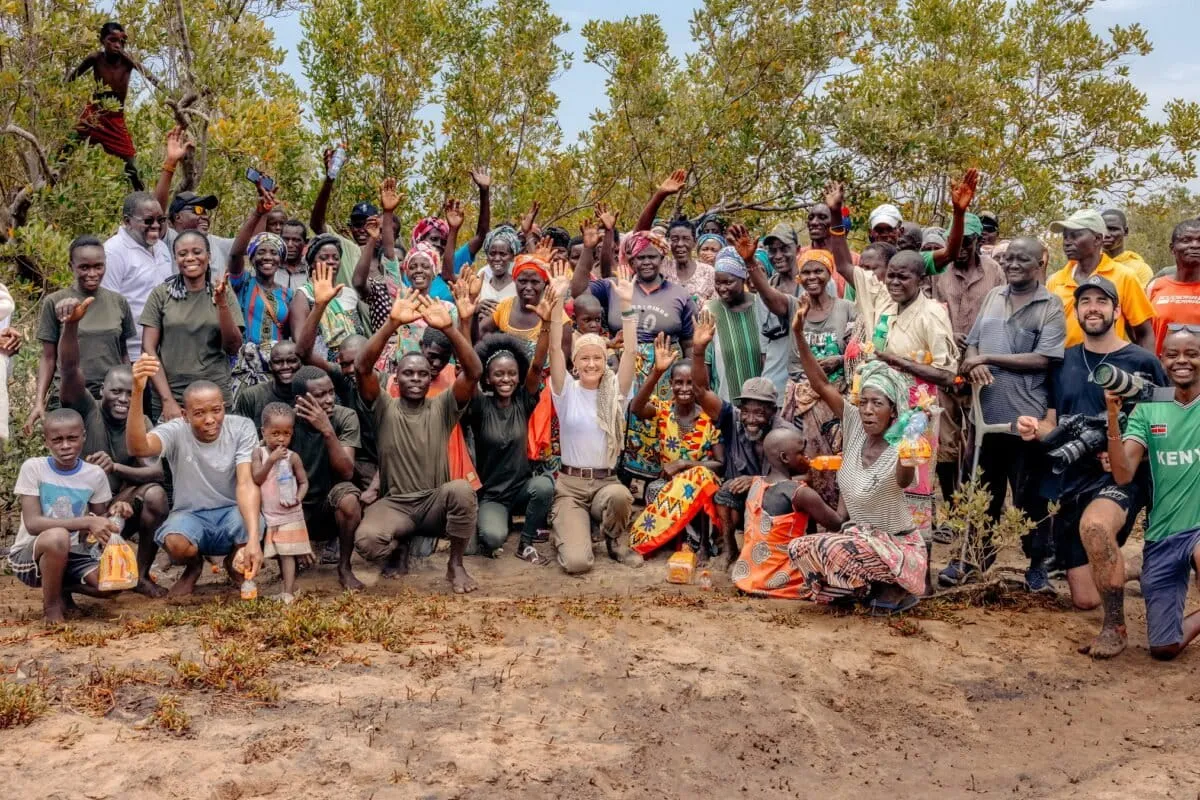
It's a simple, yet profoundly effective, idea: When communities benefit from conservation, they become its fiercest defenders. And sometimes, it just takes one person to make that connection.