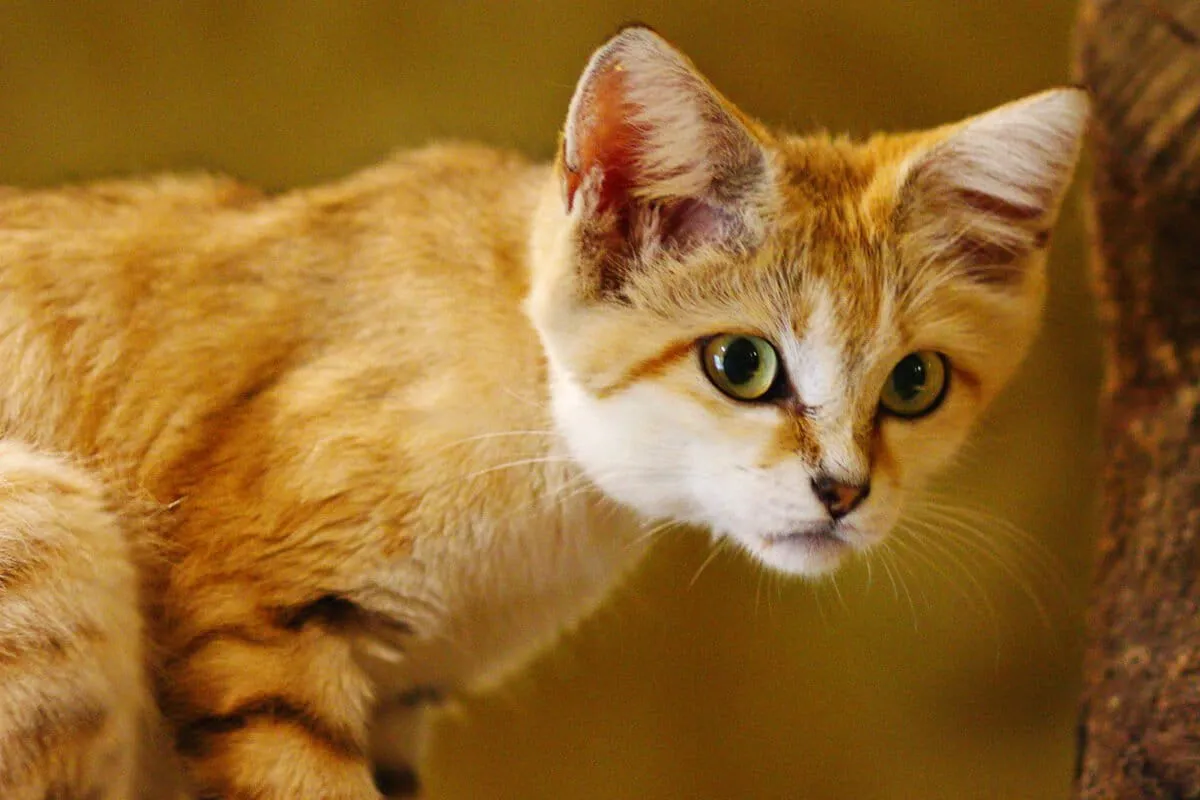
Good news, everyone: the sand cat, basically a living, breathing plush toy with a killer instinct, is absolutely crushing it in Qatar. For years, these tiny desert dwellers were more myth than reality in the region. A fleeting glimpse here, a rumor there. But systematic study? Not so much.
Enter wildlife ecologist Muhammad Ali Nawaz from Qatar University, who apparently decided enough was enough with the sand cat mystery. He and his team deployed camera traps across Qatar's Al-Ureiq Reserve, a protected patch of desert covering about 21 square miles. Then, they waited.
And waited. And then, between 2022 and 2025, the cameras delivered. Over 100 photos of sand cats, just doing their adorable, elusive thing. That's not a stray cat. That's a population.
We're a new kind of news feed.
Regular news is designed to drain you. We're a non-profit built to restore you. Every story we publish is scored for impact, progress, and hope.
Start Your News DetoxThe findings, published in Frontiers in Conservation Science, suggest a "sizable population" of these desert specialists is thriving. Nawaz, understandably, called it a "remarkable discovery" — which, when you're talking about a creature that looks like it belongs in a Pixar movie but can take down a venomous snake, feels like an understatement.
These cats (Felis margarita) are basically walking, purring examples of natural selection. Their sand-colored fur means they disappear against the dunes, making them the ultimate desert ninjas. Thick fur on their paws acts like built-in oven mitts for scorching sand. And those ears? They're like satellite dishes, picking up the faintest rustle of prey scurrying underground.
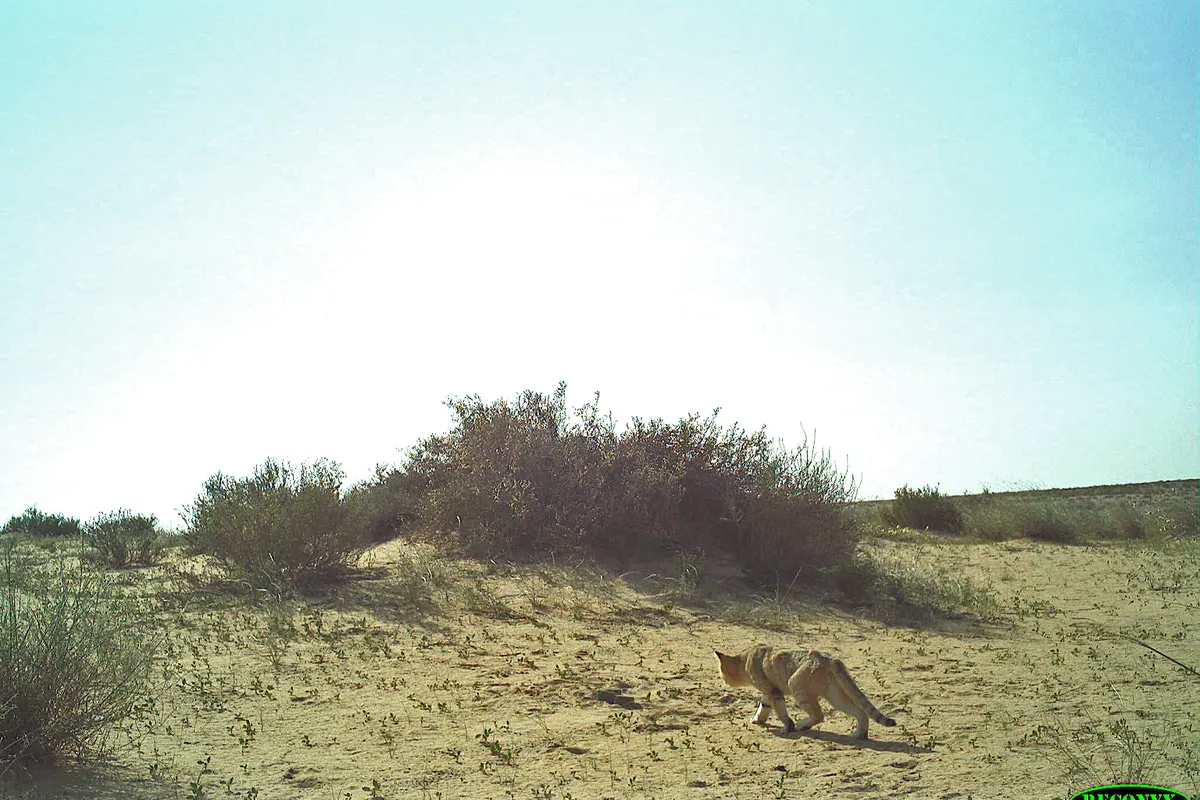
So, while we're all busy trying to beat the heat, these little guys are out there, perfectly camouflaged and probably wondering why we're making such a fuss. Let's just say Qatar's desert just got a whole lot cuter, and a whole lot more wild.