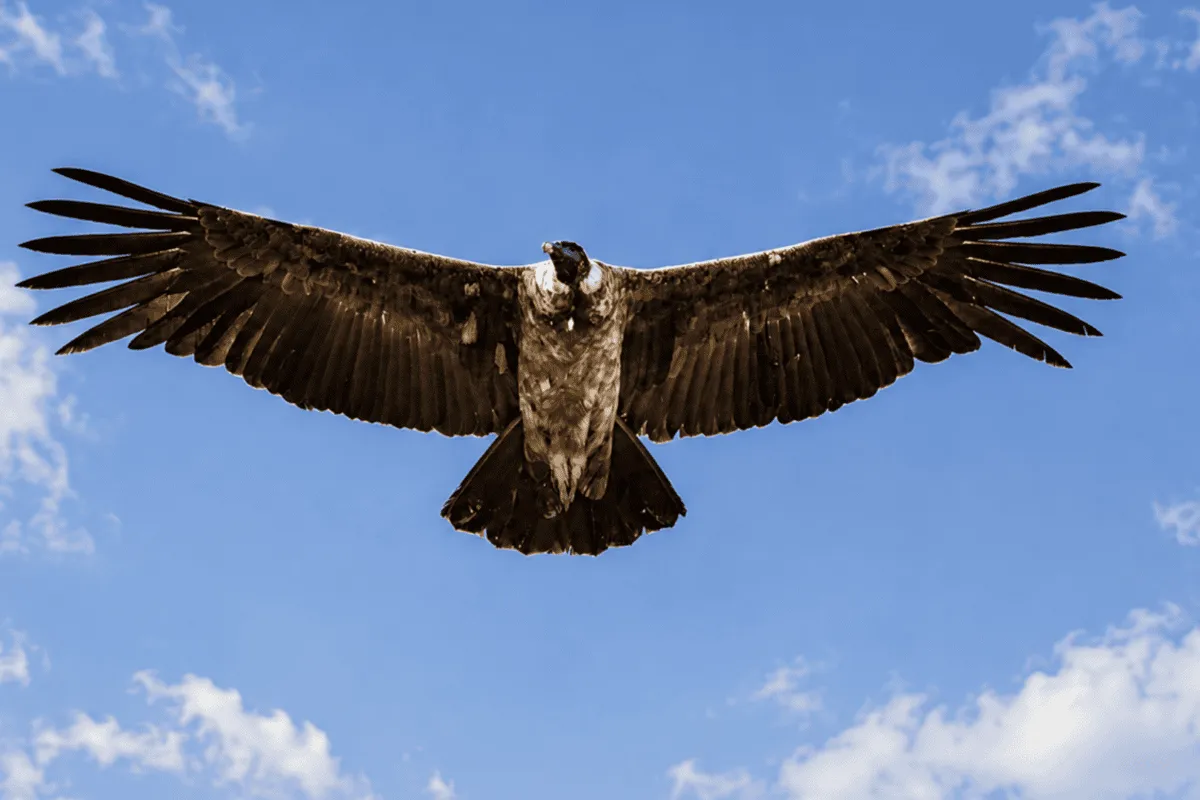
Doris Torres, a sheepherder high in Colombia's Páramo El Almorzadero, used to see Andean condors as winged villains. The villagers, facing livestock losses, often blamed these magnificent birds, resorting to poisoning or shooting them. This, predictably, pushed the condors to the brink of vanishing entirely from the Andean skies.
Then, something shifted. Torres started learning about the condors — their true behaviors, their vital role in the ecosystem. And just like that, the enemy became... well, not quite a friend, but certainly not an enemy. She transformed into a fierce conservationist, helping to bring these giants back from the edge.
Torres now partners with Fernando Castro from the Parque Jaime Duque Foundation. Together, they and other villagers have flipped the script from a generations-long feud to a textbook example of coexistence. The very people who once saw condors as a threat are now their most ardent protectors, creating a safe haven for one of Colombia's most endangered birds of prey.
We're a new kind of news feed.
Regular news is designed to drain you. We're a non-profit built to restore you. Every story we publish is scored for impact, progress, and hope.
Start Your News DetoxToday, the sight of condors soaring over the páramo is no longer a ghost of the past. The community is even gearing up to welcome a new generation: young condors raised in captivity by Castro's team in Bogotá.
And how do you raise a condor without making it think humans are just overgrown, featherless condors? With artificial incubation and a rather ingenious solution: condor-shaped hand puppets. Because apparently that's where we are now. The goal is to release at least three of these puppet-raised youngsters into the wild by the end of 2027. It's a testament to how a change of heart, and a few well-placed puppets, can literally bring a species back to life.