A funny thing happens when you look at the human body, or the history of engineering, or even the subtle machinations of the sun: what we thought we knew often turns out to be just the first draft. This week, we saw a lot of smart people — and some incredibly persistent genes — rewriting those drafts.
The Unseen World, Illuminated
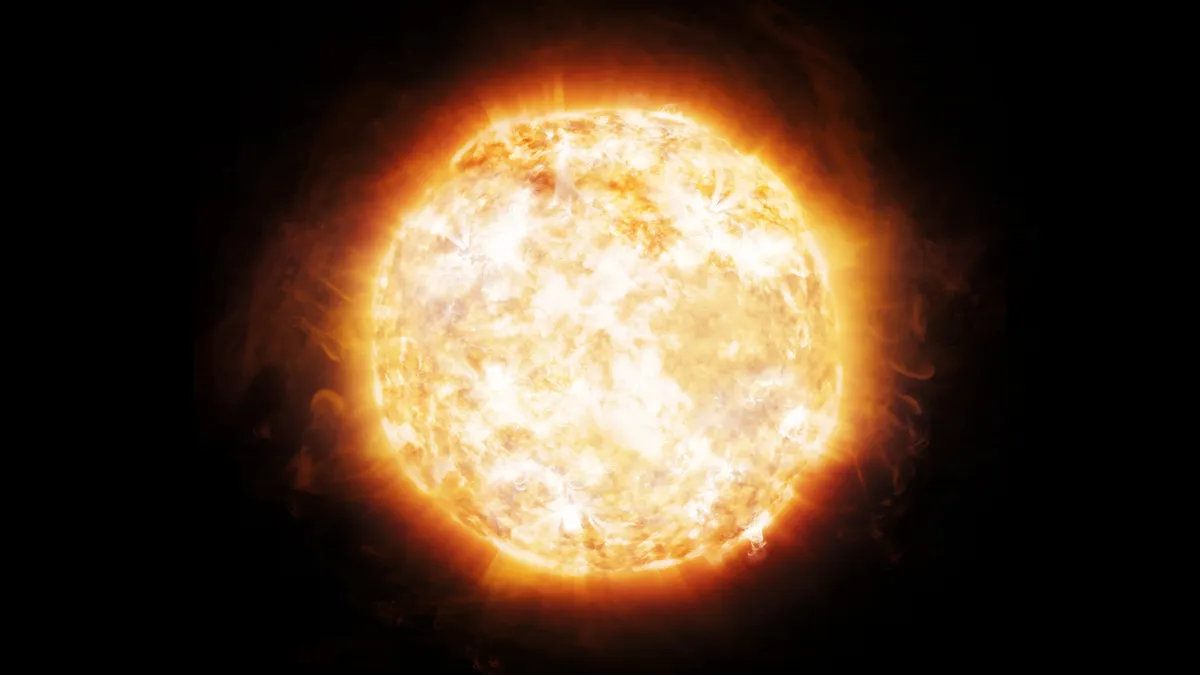
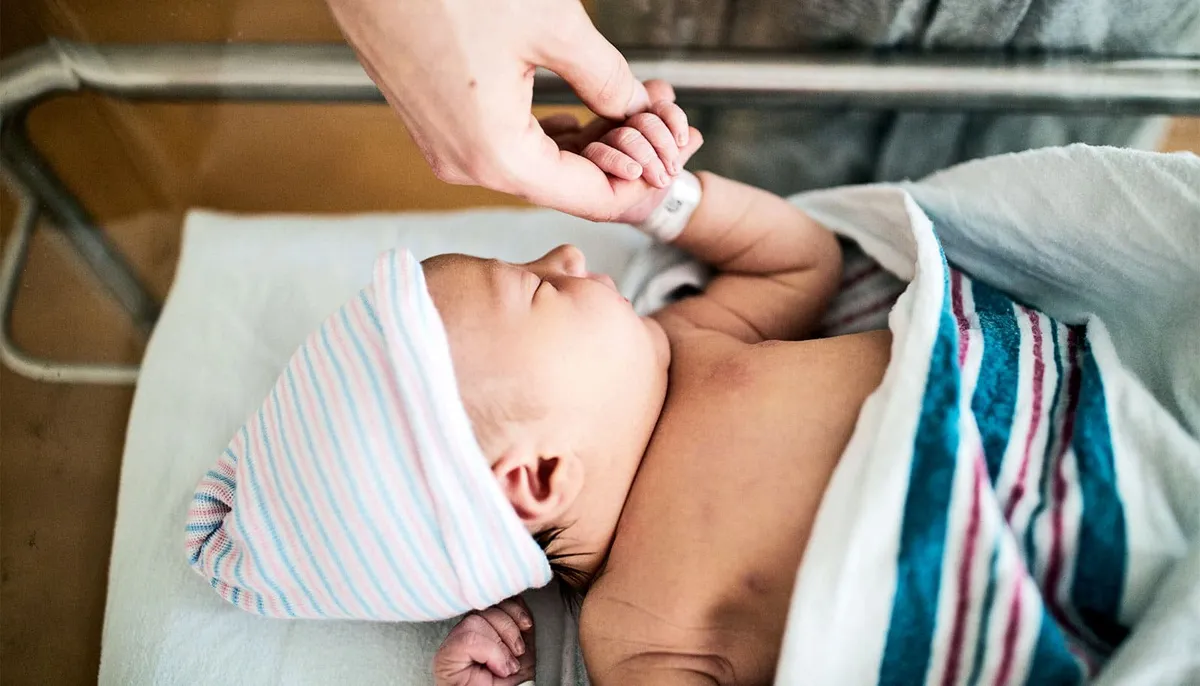
It’s a peculiar human habit to assume we’ve got things figured out, only to find entire worlds lurking just beneath the surface. Take, for instance, the sun. For over a century, we've had telescopes pointed at it, yet turns out, the sun's surface is a plasma blender, complete with colossal whirlpools that might be driving space weather. Meanwhile, back on Earth, scientists are still mapping the most complex organism we know: ourselves. Deanne Taylor, a researcher at the University of Pennsylvania, realized that while there was an ambitious project to map every cell in the adult human body, the maps for children were conspicuously missing. Now, a scientist is mapping kids' cells because, surprise, they're not just tiny adults, revealing crucial differences in how diseases manifest and treatments work in younger populations. It’s a reminder that even the most familiar subjects still hold profound mysteries, waiting for someone to look closer.
This means that our understanding of fundamental systems, from celestial mechanics to human biology, is constantly evolving, leading to more precise science and better outcomes.
We're a new kind of news feed.
Regular news is designed to drain you. We're a non-profit built to restore you. Every story we publish is scored for impact, progress, and hope.
Start Your News Detox"The coral had been declared dead in 2019. Five years later, it's not just alive — it's spawning." — Read the full story
Smart Solutions to Stubborn Problems
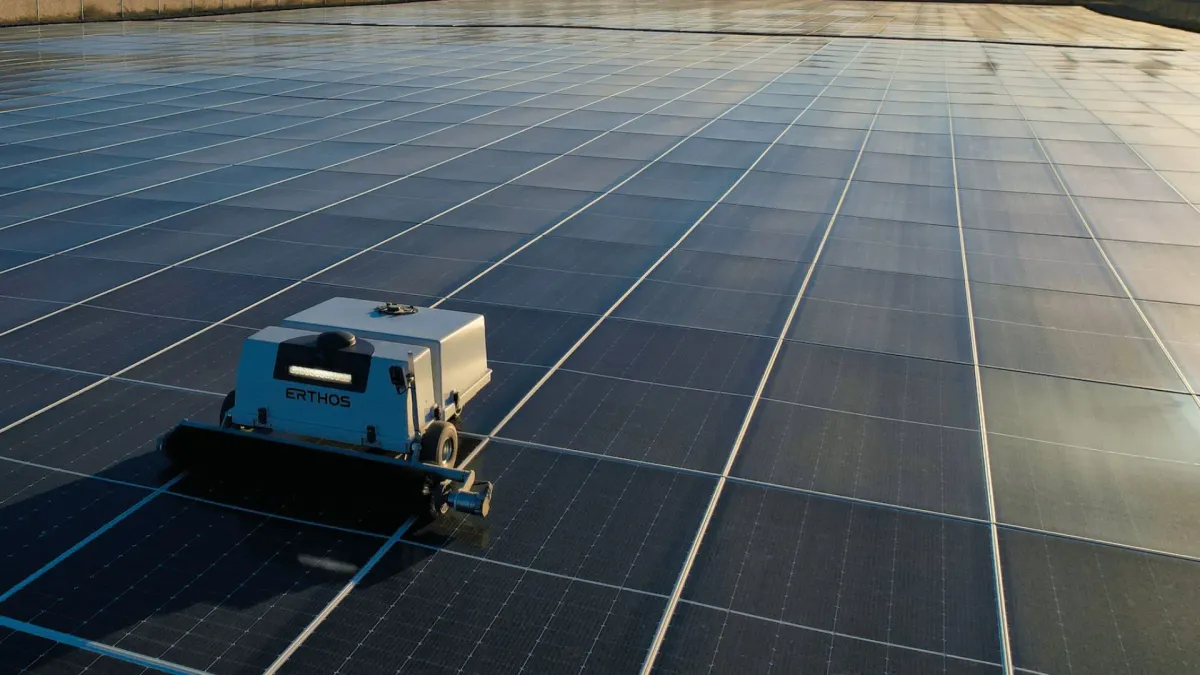
Sometimes, the best way forward involves a bit of lateral thinking — or, in one case, some cow dung. In South Africa, a school cooks for 1,000 kids using cow poop, transforming waste into biogas and significantly reducing their reliance on firewood. It's a pragmatic solution to a very real problem of energy access and environmental strain. Meanwhile, on a grander scale, China just fired up a new reactor at the world's largest nuclear plant, pushing the boundaries of clean energy generation. And if you thought solar had peaked, think again: a new solar farm in California is wildly overperforming, exceeding its expected output by over 100% thanks to a clever ground-mounted technology. These stories aren't just about technological progress; they're about finding efficiencies and harnessing existing resources in smarter ways to tackle big challenges.
This means that solutions to climate change and resource scarcity are not only emerging but are proving to be more effective and innovative than previously imagined.
Your Ancestors Were Peak Performers
Finally, a nod to the long game. Evolution, it seems, has been quietly perfecting us for millions of years, often in surprising ways. It turns out that your Neanderthal genes might be building your biceps. People carrying a specific Neanderthal growth hormone receptor variant have, on average, 271 additional grams of muscle. So, that gym routine might have a prehistoric assist. Even more surprising, our ancestors were sweet enough to evolve bigger brains. While meat has long been credited with fueling hominin brain growth, new research suggests natural sugars provided the glucose needed for our brains to expand, well before cooking made starches digestible. It's a delightful twist in our origin story, reminding us that sometimes, the answers to who we are lie deep in our genetic past.
This means that the story of human evolution is far from complete, with new discoveries constantly reshaping our understanding of our own capabilities and origins.
Hope stat: 271 — additional grams of muscle for those with a specific Neanderthal gene variant.
Watch this space: The intersection of ancient genetics and modern human performance is just getting started, promising more fascinating insights into our capabilities.