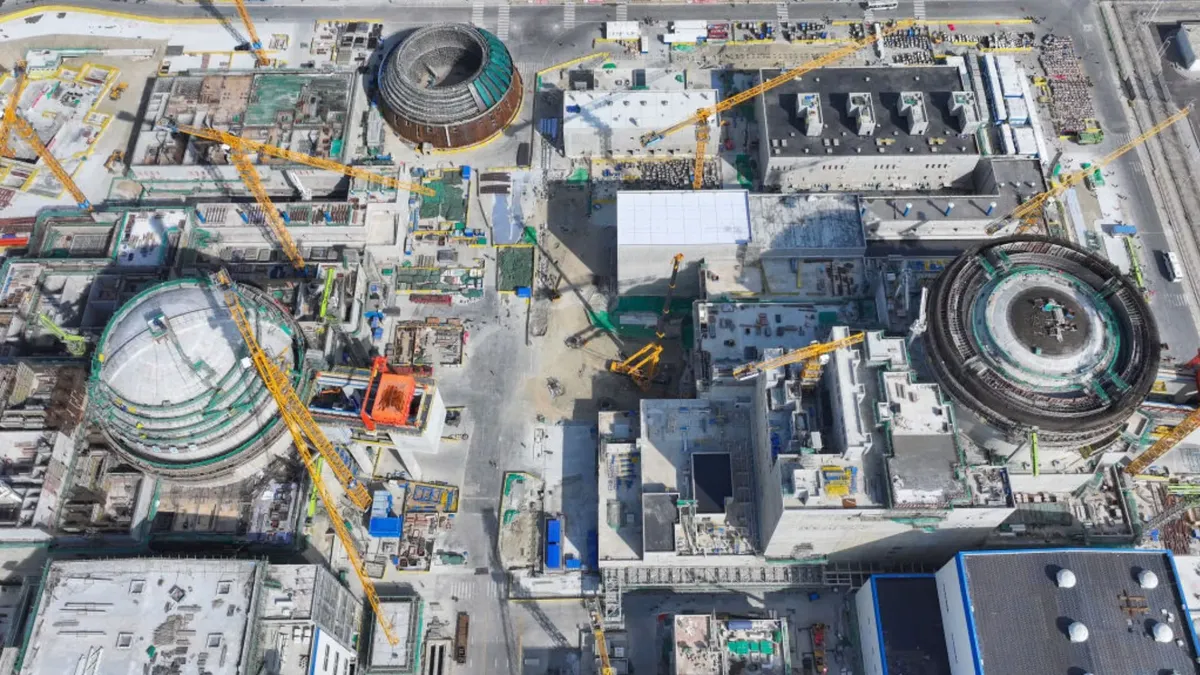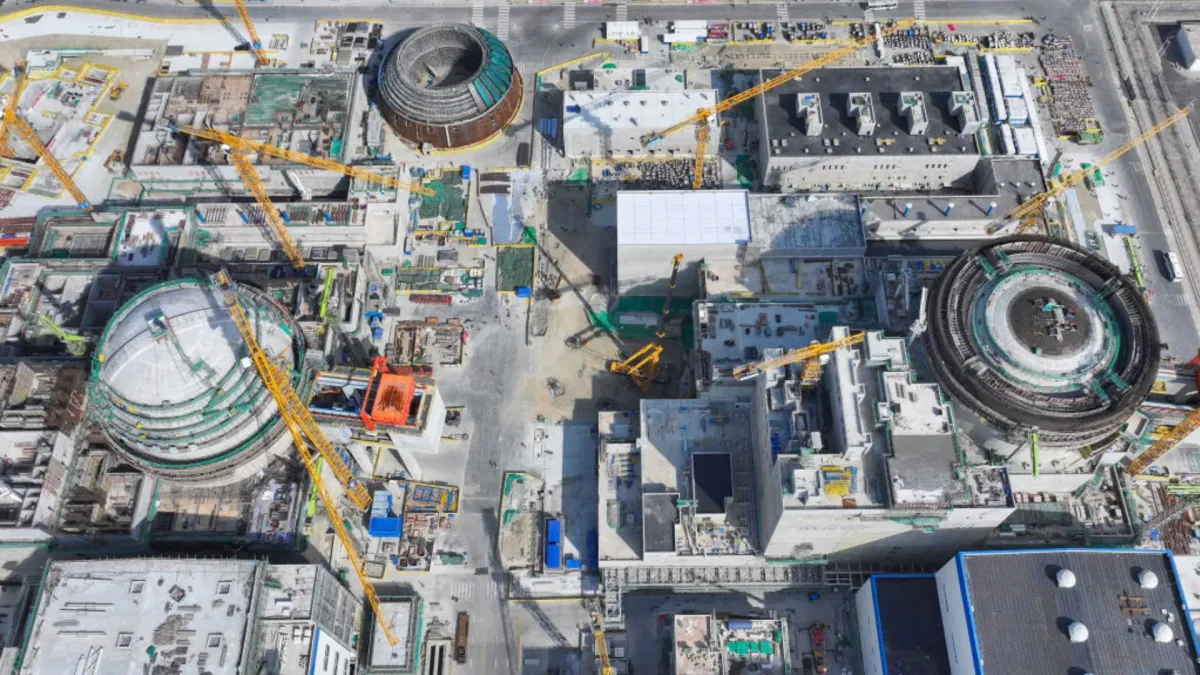
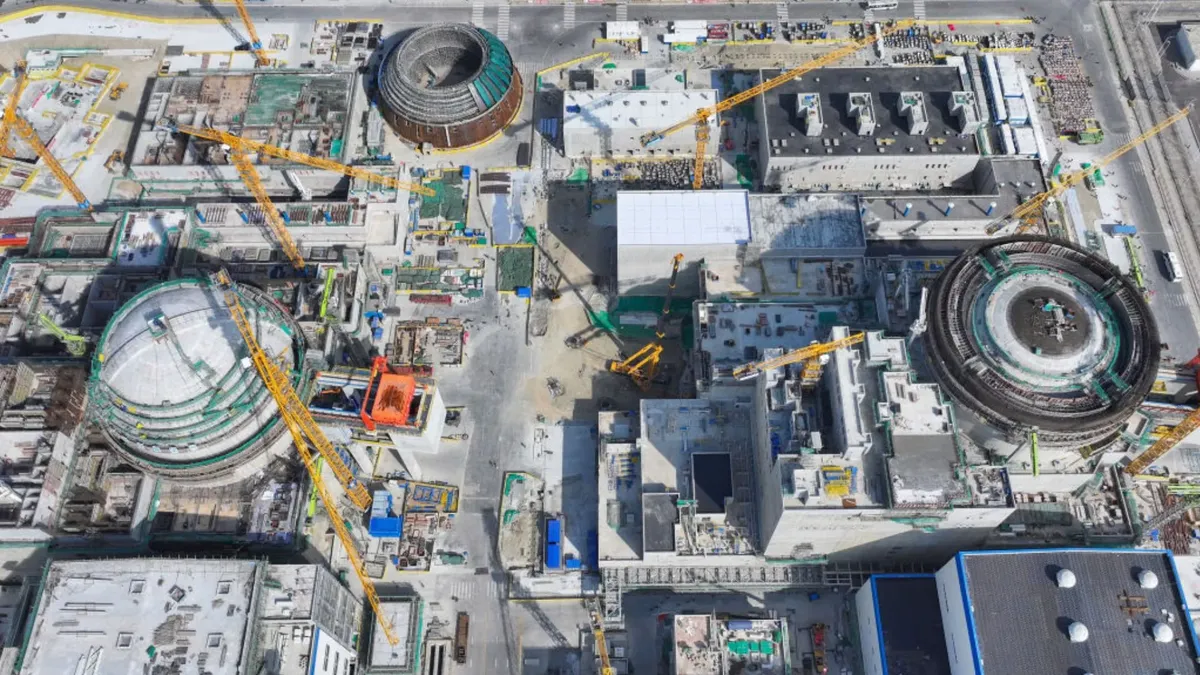
China's Tianwan Nuclear Power Plant, already a titan in the energy world, just got a whole lot more interesting. Operators have begun loading fuel into Unit 7, officially shifting the project from mere construction to the slightly more intense phase of nuclear commissioning. Because apparently, that's where we are now.
This isn't just any old reactor. Unit 7 sports a Russian-designed VVER-1200, a third-generation pressurized water reactor. And for the first time ever, Chinese engineers are getting their hands on loading fuel into this particular model. Think of it as a very precise, very high-stakes game of Tetris.
The Art of Fuel Loading
To get this beast running, it needs 163 fuel assemblies. The process is a surprisingly elegant ballet of automation and precision: workers transfer the assemblies, an automated system lowers them into the reactor core, and then, with bated breath (presumably), everything is checked for millimeter-perfect placement.
We're a new kind of news feed.
Regular news is designed to drain you. We're a non-profit built to restore you. Every story we publish is scored for impact, progress, and hope.
Start Your News DetoxAn automated remote-control system, operated from a control room a cool 30 meters above the reactor floor, handles the delicate task. Each assembly is placed with an accuracy that would make a Swiss watchmaker proud. This initial fuel loading is the equivalent of giving the reactor its very own energy heart, kicking off its nuclear testing phase.
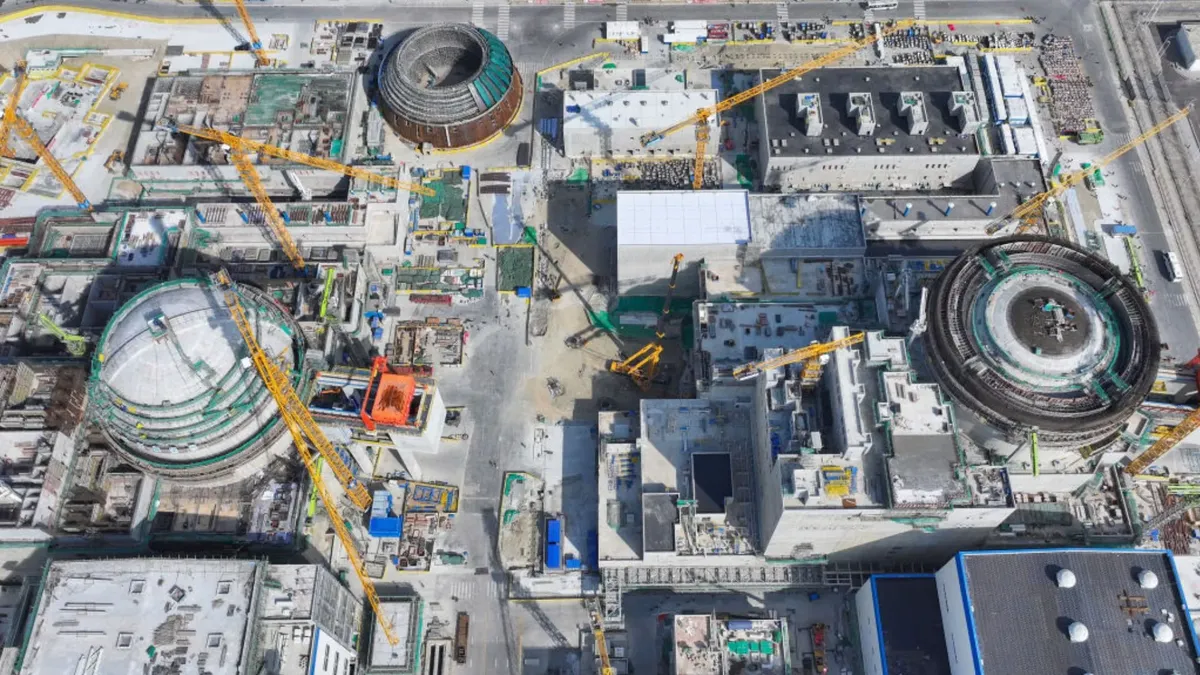
This isn't the only action at the plant. Just last month, Unit 8 wrapped up its cold functional testing, which basically checks if the primary cooling system can hold its own before any nuclear material enters the chat. Because, you know, good to know that in advance.
Powering Up East China
Located in Jiangsu Province, Tianwan is already the largest nuclear plant under construction globally, with units one through six happily humming along, having generated nearly 500 billion kilowatt-hours of power. Let that satisfying number sink in.
Units 7 and 8 are set to supercharge this capacity, each capable of churning out over 1.2 million kilowatts of electricity. Unit 7 is slated for commercial operations in 2026, with Unit 8 following in 2027.
Once all units are online, Tianwan's total capacity will exceed 9 million kilowatts, delivering over 70 billion kilowatt-hours of clean power annually. That's enough to reduce carbon dioxide emissions by 57.4 million tons each year, which, if you think about it, is both impressive and slightly terrifying in its scale. East China's energy mix is about to get a serious upgrade.