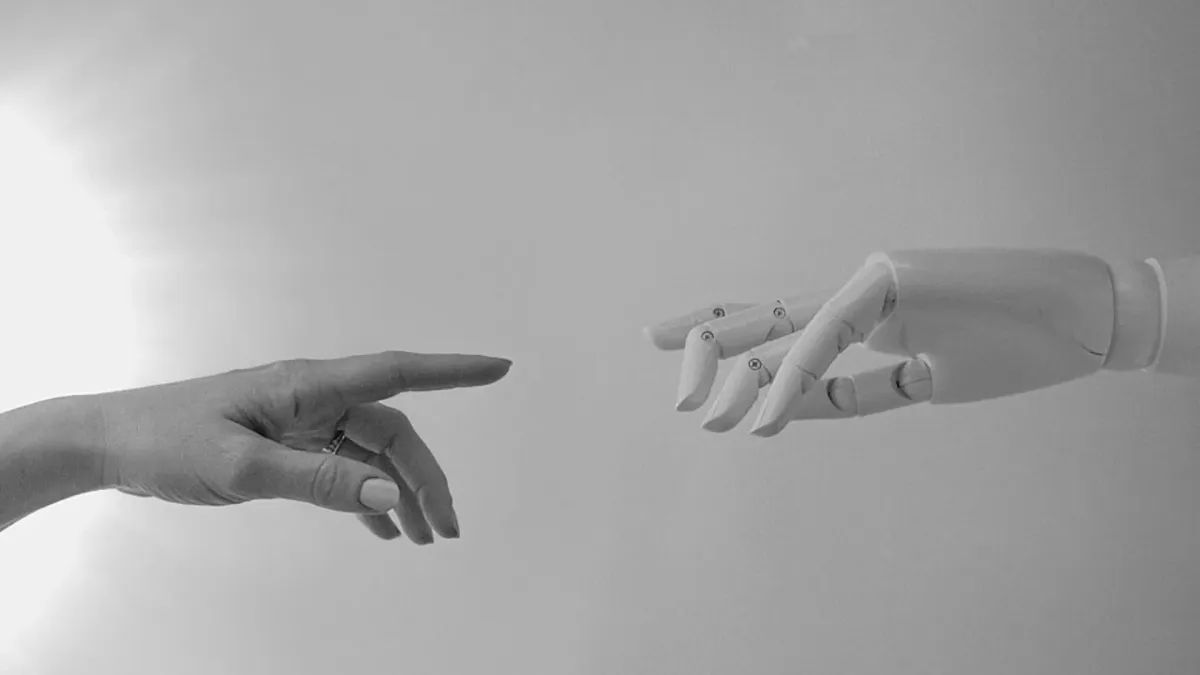
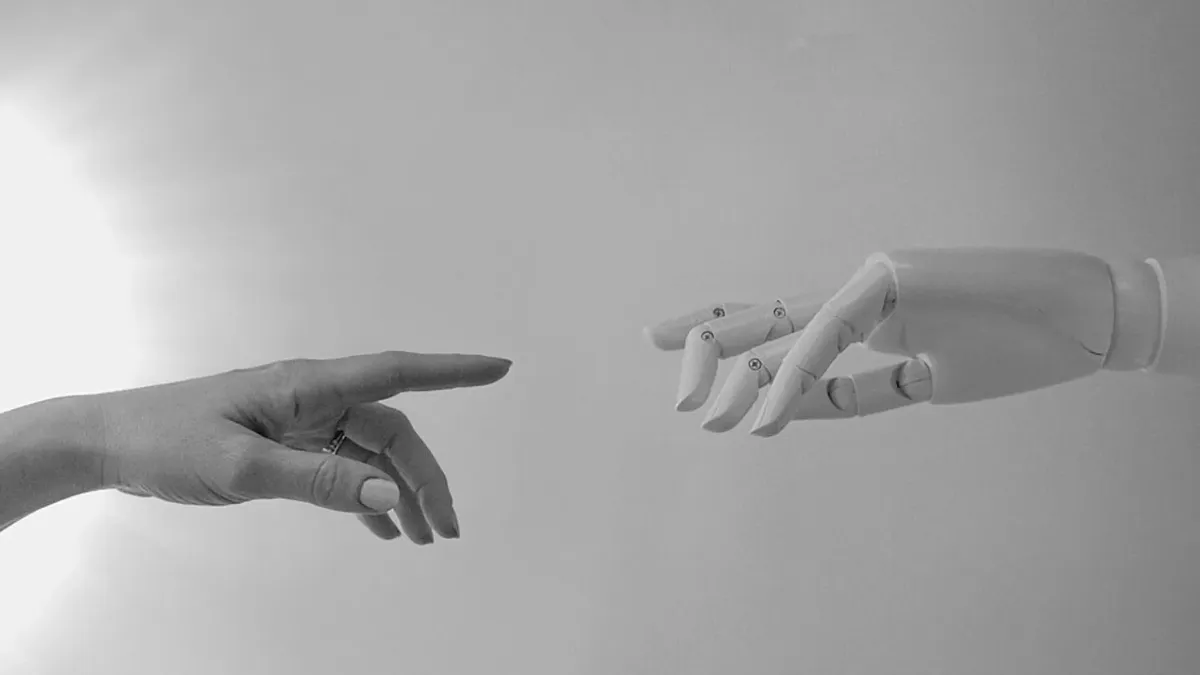
Imagine a robot hand that could thread an acupuncture needle, then immediately stretch out to grab something 3.5 times farther away than your own hand could reach. Because apparently, that's where we are now.
Meet the BioflexBot, China's latest foray into the world of robotic dexterity. Instead of trying to perfectly mimic the intricate bones and joints of a human hand (which, let's be honest, sounds like a nightmare for engineers), this new bot took a different, decidedly simpler path: a coiled spring, a shell, and some compressed air.
The Un-Hand Hand
Most robotic hands aim for anatomical correctness, which often translates to complex, expensive, and finicky machines. The BioflexBot team, led by Yingtian Li, decided to focus on function over form. They asked, "What does a hand do?" not "What does a hand look like?"
We're a new kind of news feed.
Regular news is designed to drain you. We're a non-profit built to restore you. Every story we publish is scored for impact, progress, and hope.
Start Your News DetoxTheir answer? Flexible structures and basic air pressure. By pumping air through two inputs, the coiled spring can bend, extend, contract, or rotate. It's like a super-powered, incredibly precise party favor that can also perform surgery. Which, if you think about it, is both impressive and slightly terrifying.
In testing, this un-hand hand proved it could handle delicate tasks like pipetting liquids and threading those tiny acupuncture needles. It also demonstrated an almost absurd range of motion, opening a bottle cap by rotating nearly four times farther than a human hand. It even hooked and carried items like goggles and a toolbox, effortlessly grasping objects almost 13 times larger than what similar robots can manage.
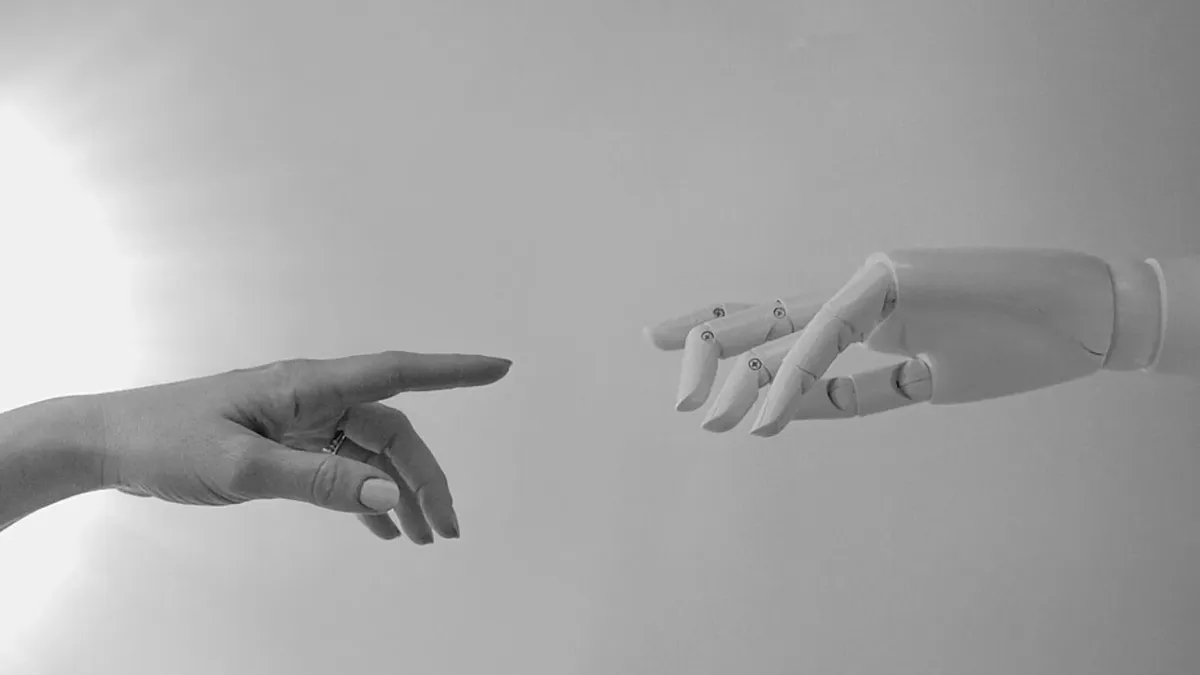
Its real party trick, though, is its stretch: it can extend and contract 3.5 times more than a human hand. This means it can reach into tight spots, handle oddly shaped items, and grab multiple things without needing a bunch of complicated parts.
From Prototype to Practical
The team showcased the BioflexBot in three real-world scenarios: inspecting aeroengine blades (because why not?), performing daily tasks alongside a humanoid robot (because of course), and conducting a chemistry experiment with delicate lab equipment (because science).
Its low cost, broad reach, and impressive grasp make it a candidate for everything from manufacturing and maintenance to healthcare and hazardous environments. Plus, its simple controls mean it plays nice with other robots.
Right now, it's still a prototype, learning the ropes in controlled environments. The next step? Turning it into a fully automated system that can sense its surroundings, make its own decisions, and complete tasks without a human playing puppet master. Because soon, your robot friend might just offer to give you acupuncture. Just kidding. Mostly.