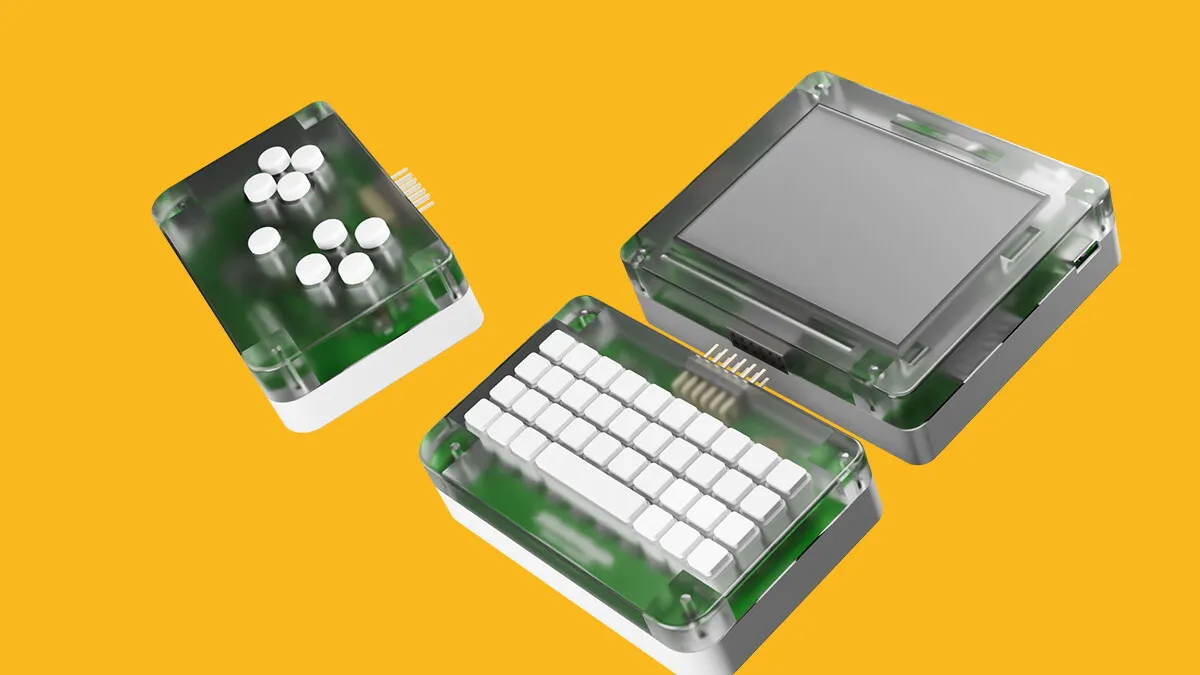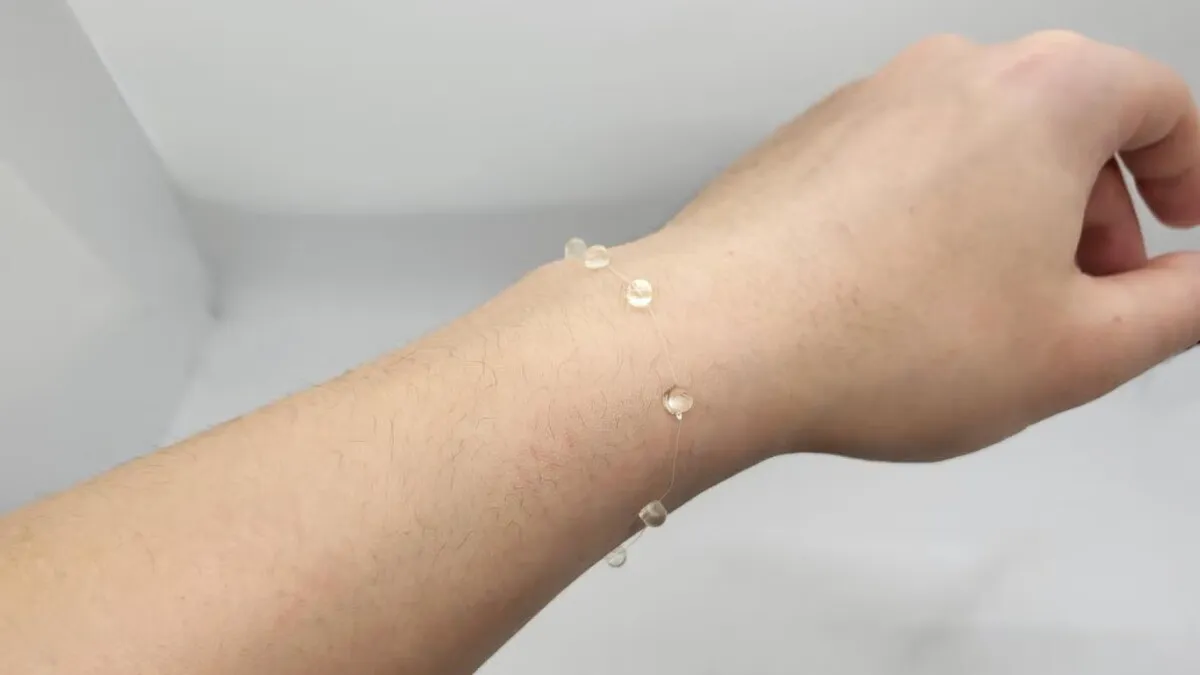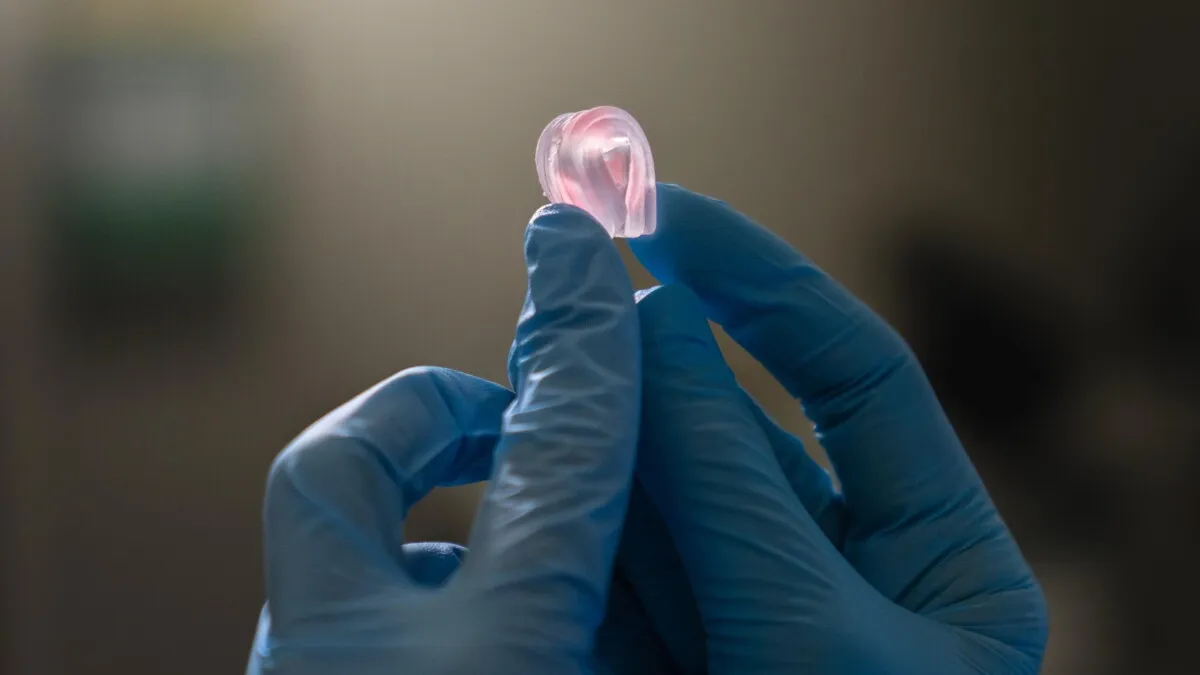
3D printing can be tricky. Often, printed items are so fragile they can break just by being removed from the build plate. This is a big problem for hobbyists. It's even worse for things like wearable electronics, soft robots, and medical tech. Their 3D-printed parts often break or wear out quickly.
A Stronger, More Flexible Solution
Normally, flexible polymers (called single-network elastomers) have a trade-off. They either resist breaking from a sudden shock but get damaged by constant stress, or they resist constant wear but might snap easily.
Researchers at Switzerland's École Polytechnique Fédérale de Lausanne (EPFL) found a solution. They developed a 3D-printable elastic polymer that resists both sudden shocks and continuous wear.
We're a new kind of news feed.
Regular news is designed to drain you. We're a non-profit built to restore you. Every story we publish is scored for impact, progress, and hope.
Start Your News DetoxThey used "double-network granular elastomers" (DNGEs). These materials have rigid elastomer particles embedded within a soft elastomer network. This design helps spread out stress and absorb energy repeatedly when stretched. This makes them very resistant to fatigue.
Esther Amstad, head of the Soft Materials Lab, explained that her team initially aimed to improve how these materials are processed. But they found that the granular structure also made the materials very tough. She noted that this toughness came from the material's ability to absorb energy over and over without breaking.
How DNGEs Work
This new material is much stronger. It has three times greater fatigue resistance and up to 15 times greater strength compared to similar elastomers. DNGEs work by shifting mechanical strain. When stretched, the stiff particles transfer stress to the softer material connecting them. This spreads the stress by rearranging polymer chains instead of breaking them. This reduces the risk of sudden snapping or wear-and-tear.
Amstad said that the two different networks — one of granular particles and one of soft elastomer — share the mechanical strain. This makes the material stronger overall.
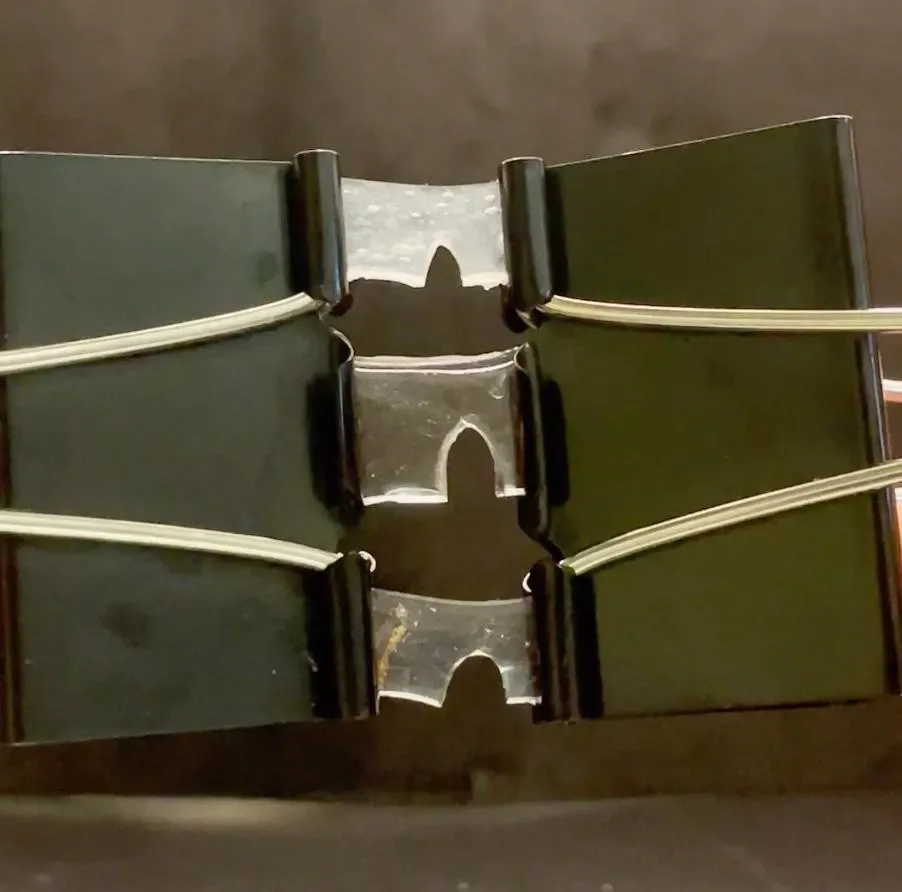
While DNGEs don't stop all cracks, their particle structure makes cracks follow winding paths through soft areas. This is better than cracks traveling in straight lines, which can cause more damage.
The researchers believe DNGEs will open new possibilities in soft robotics, wearables, and biomedicine. These areas have been limited by the trade-off between stiffness, toughness, and fatigue resistance in current soft materials. This innovation could lower costs and extend the life of products.
Amstad's team hopes to make future DNGEs more sustainable. They want to use biodegradable materials and recycled content. Their goal is to create sustainable materials without sacrificing mechanical performance. This would make DNGEs more accessible to any lab with a commercial 3D printer.
Deep Dive & References
3D-printable elastic polymer proves surprisingly tough - Science Advances, 2024