A Scientist Is Mapping Kids' Cells Because, Surprise, They're Not Just Tiny Adults
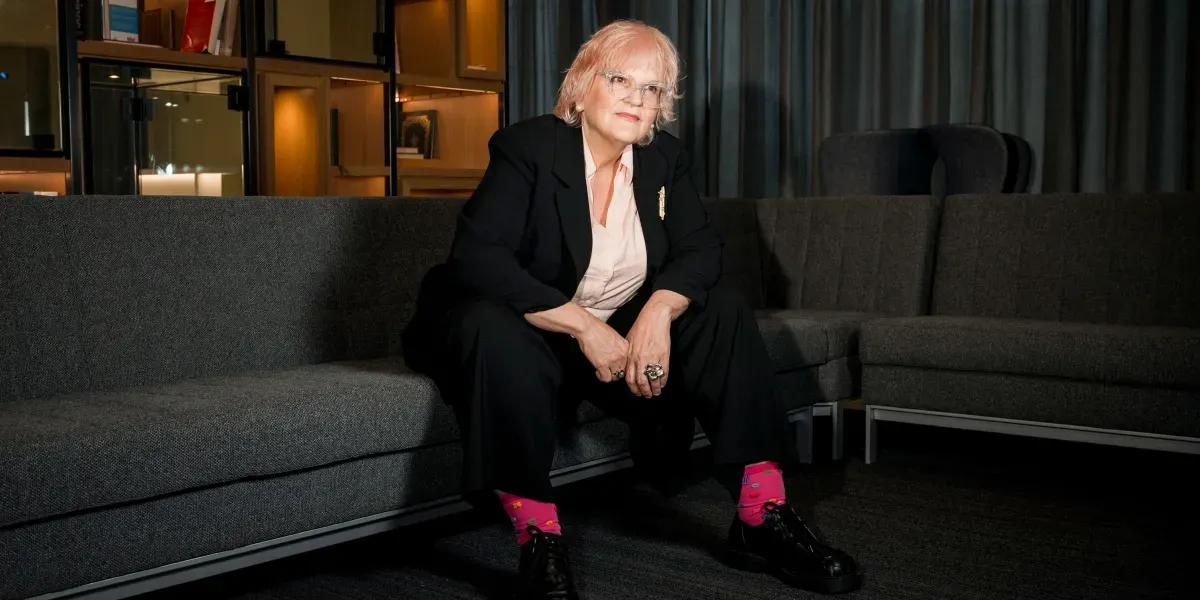
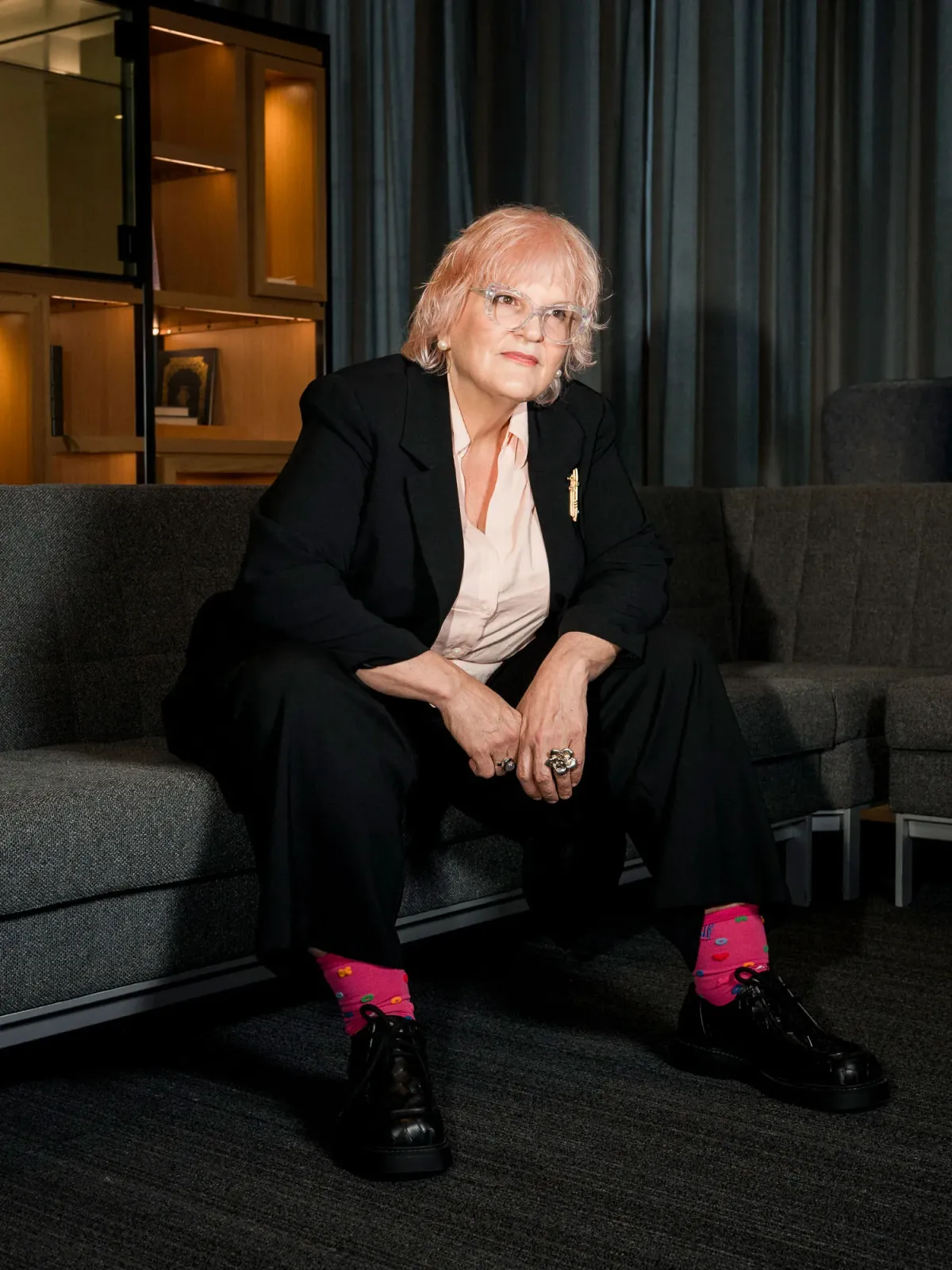
A 2017 presentation on the Human Cell Atlas floored Deanne Taylor. Mapping every human cell was ambitious, but a critical detail sparked her concern: the project only planned to study adults.
Imagine mapping every single cell in the human body — an ambitious, slightly terrifying undertaking known as the Human Cell Atlas. Now imagine discovering that this grand project originally planned to skip an entire demographic: children. Because, apparently, kids are just small, uncomplicated adults.
That's exactly what Deanne Taylor, a bioinformatics director at the Children’s Hospital of Philadelphia (CHOP), found out in 2017. She knew better. Children's cells don't just shrink; they express genes differently, which means drugs that are perfectly fine for grown-ups can be seriously dangerous, even deadly, for kids. It’s like giving a toddler car keys because they can reach the pedals.
Brightcast Impact Score (BIS)
This article celebrates a significant positive action by Deanne Taylor, who spearheaded an initiative to include pediatric research in the Human Cell Atlas, leading to a major NIH grant. The project addresses a critical gap in medical understanding, offering a new approach to children's health. The impact is potentially global and long-lasting, backed by substantial funding and expert collaboration.