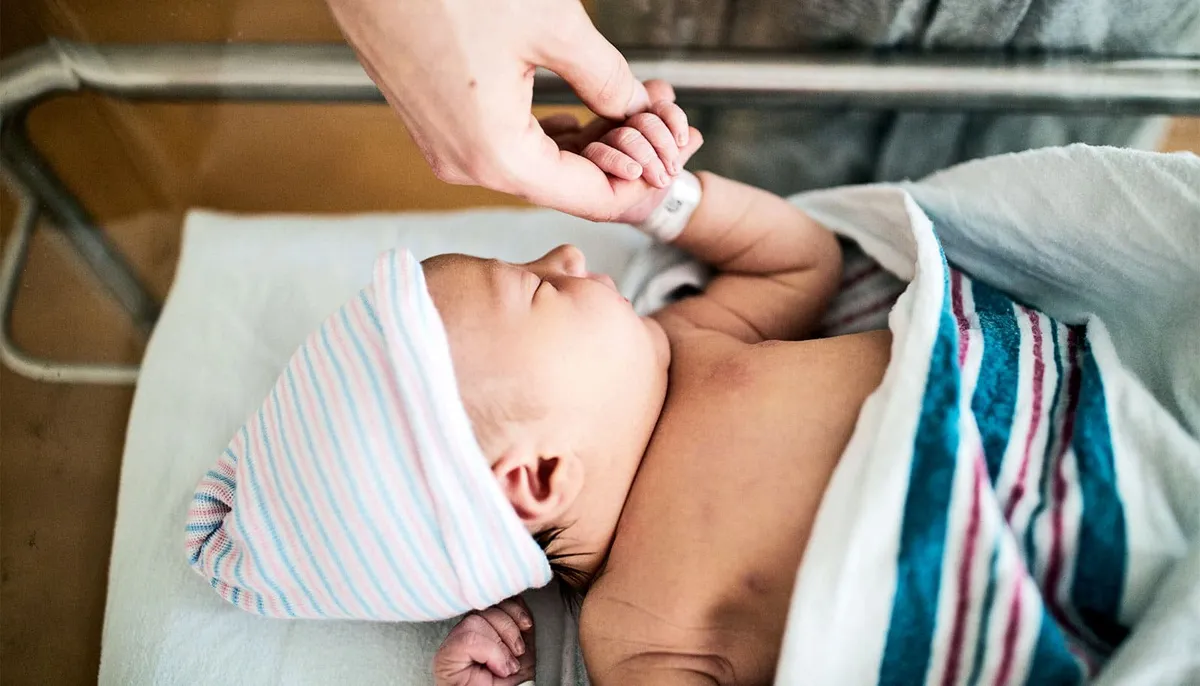
For a while there, a curious rumor was making the rounds: that male circumcision, performed shortly after birth, might somehow be linked to an increased risk of autism. It popped up in a couple of older studies, then resurfaced last year in public comments, sending a shiver of concern down the spines of new parents. Because, apparently, we needed one more thing to worry about.
Now, a new, much larger study has officially stepped in to play myth-buster. And the verdict is in: you can officially stop worrying about that one. There's no connection.
Monica McGrath, a research professor at Johns Hopkins Bloomberg School of Public Health, led the investigation, and she's hoping these findings will finally put the matter to rest. "We observed no association between circumcision and autism in boys," McGrath stated, with what we can only imagine was a sigh of relief heard 'round the internet.
We're a new kind of news feed.
Regular news is designed to drain you. We're a non-profit built to restore you. Every story we publish is scored for impact, progress, and hope.
Start Your News DetoxDigging Into the Data
Published in JAMA Pediatrics, the research tapped into the vast data pool of the ECHO (Environmental influences on Child Health Outcomes) Cohort study, which is basically a nationwide health tracker for kids. Researchers sifted through information from nearly 2,800 boys across 14 U.S. sites.
The numbers tell a pretty clear story: Around two-thirds of the boys (1,840, to be exact) were circumcised before leaving the hospital. About 7% of all the boys in the study received an autism diagnosis by an average age of 3.8 years. When they broke it down, only 6% of the circumcised boys had an autism diagnosis, compared to 9% of the uncircumcised boys.
After crunching all the numbers and accounting for other variables like parental age and family history, the team found no significant link between circumcision and autism risk. Let that satisfying, definitive number sink in.
Now, it is true that autism diagnoses have been on the rise in the U.S. In 2000, roughly one in 150 children had an autism diagnosis. By 2022, the CDC reported that number as one in 31 among 8-year-olds. Meanwhile, circumcision rates have actually been declining. The two trends simply don't align in a way that suggests causation.
Whether more children are actually developing autism, or if better awareness and testing are just catching more diagnoses, is a separate, ongoing question. But at least we can cross this particular concern off the list. McGrath and her team will keep looking into other factors that might explain the rise in autism diagnoses. Because some mysteries still need solving, but thankfully, this isn't one of them.