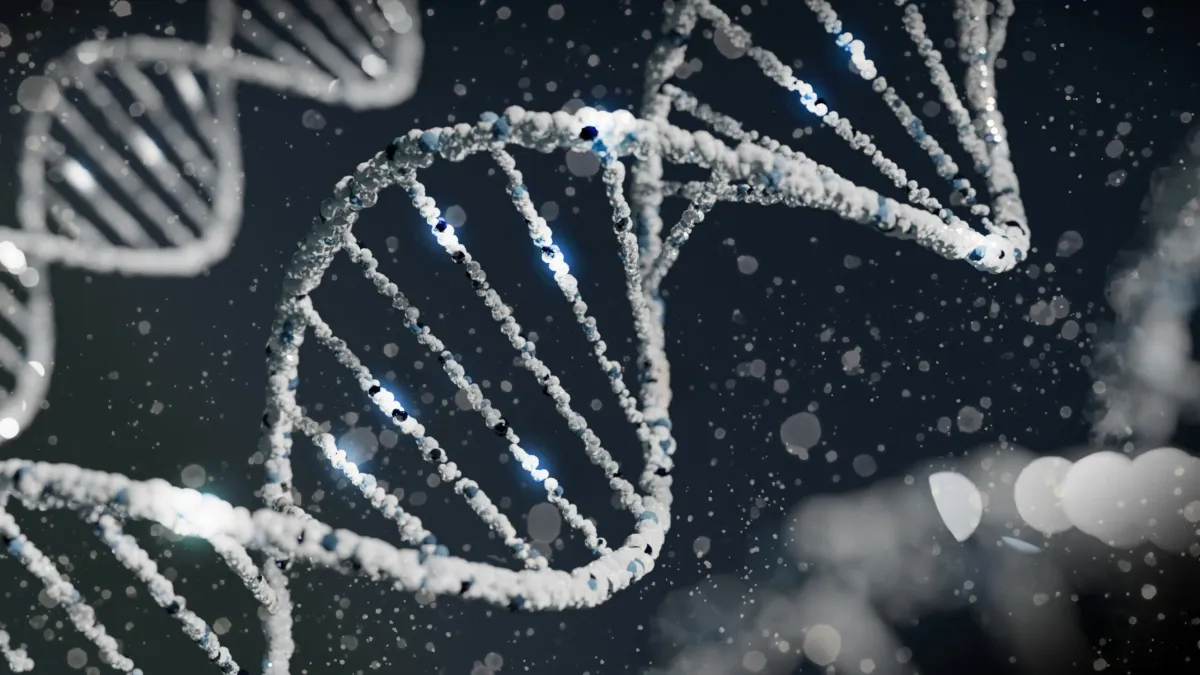
Imagine having a built-in superpower against heart disease and diabetes. For about one in 7,000 people, that superpower is real, thanks to a rare genetic variant. A massive study involving over a million participants just pinpointed this specific gene, and it could completely change how we approach these widespread illnesses.
Turns out, a tiny tweak in a gene called FNIP1 acts like a metabolic shield. Those lucky few who carry this protective version enjoy a whopping 60% lower risk of heart disease and other metabolic woes. Which, if you think about it, is both impressive and slightly unfair.
The Body's Secret Fat-Burning Switch
FNIP1 usually helps your cells sense nutrients and manage energy — like a diligent accountant for your metabolism. But when scientists essentially "turned off" this gene in human liver cells, something remarkable happened: it activated a process that breaks down fats.
We're a new kind of news feed.
Regular news is designed to drain you. We're a non-profit built to restore you. Every story we publish is scored for impact, progress, and hope.
Start Your News DetoxThey even put this to the test in mice. When the FNIP1 gene was disabled, mice on a high-fat diet didn't gain as much weight, avoided fatty liver disease, and kept their blood sugar stable. Their bodies also became much better at using insulin. So, essentially, they got to eat the cheesecake and still be healthy. For mice, anyway.
This isn't just an interesting biological quirk. These rare genetic shields against disease are invaluable clues for future treatments. Think about it: instead of waiting for a natural mutation, gene editing could potentially create these protective effects for everyone. It's like finding the secret blueprint for health and then mass-producing it.
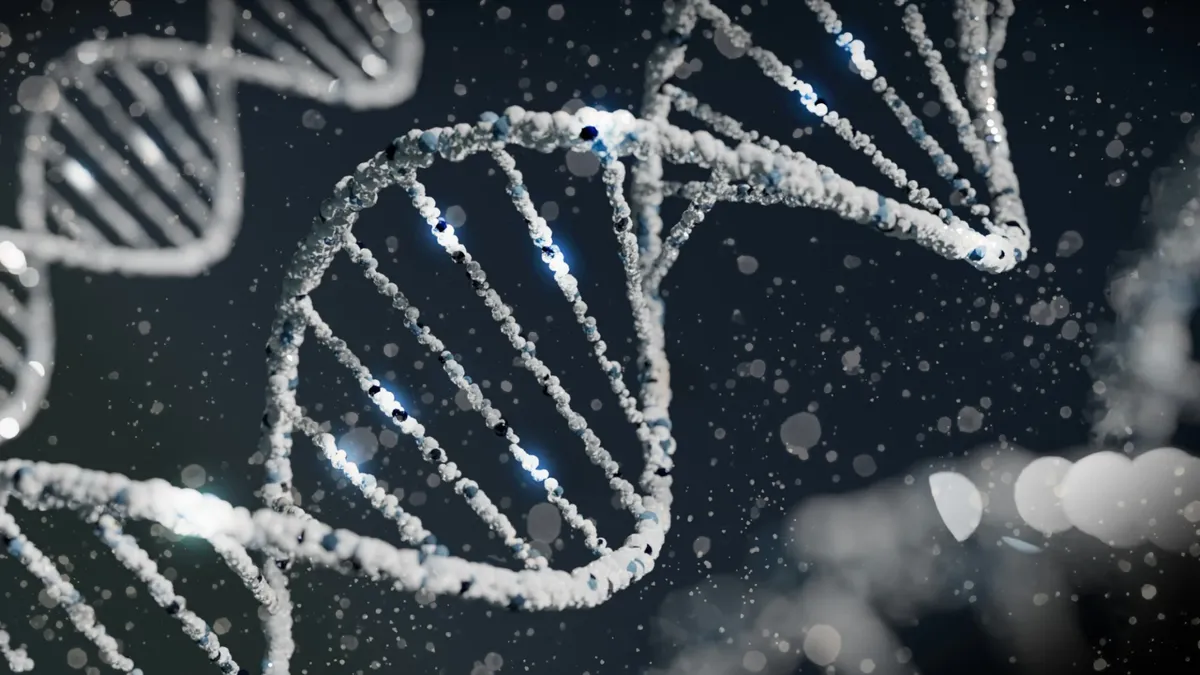
We've seen this before. People with a rare mutation in the CCR5 gene are naturally resistant to HIV. That discovery led to successful treatments. Similarly, rare variants of the PCSK9 gene can disable it, lowering "bad" cholesterol and leading to new therapies that block that very gene. The body often holds the answers; we just need to know where to look.
A Million-Person Treasure Map
Finding these needles in the genetic haystack requires a lot of hay. Researchers sequenced the genomes of over a million people from 11 studies across multiple continents, linking all that genetic data to their health records.
They were specifically hunting for variants that affect a blood marker called TG:HDL – the ratio between triglycerides (a fat linked to heart attacks) and "good" cholesterol (HDL). A lower ratio means better metabolic health, less liver fat, lower blood pressure, and happier insulin levels.
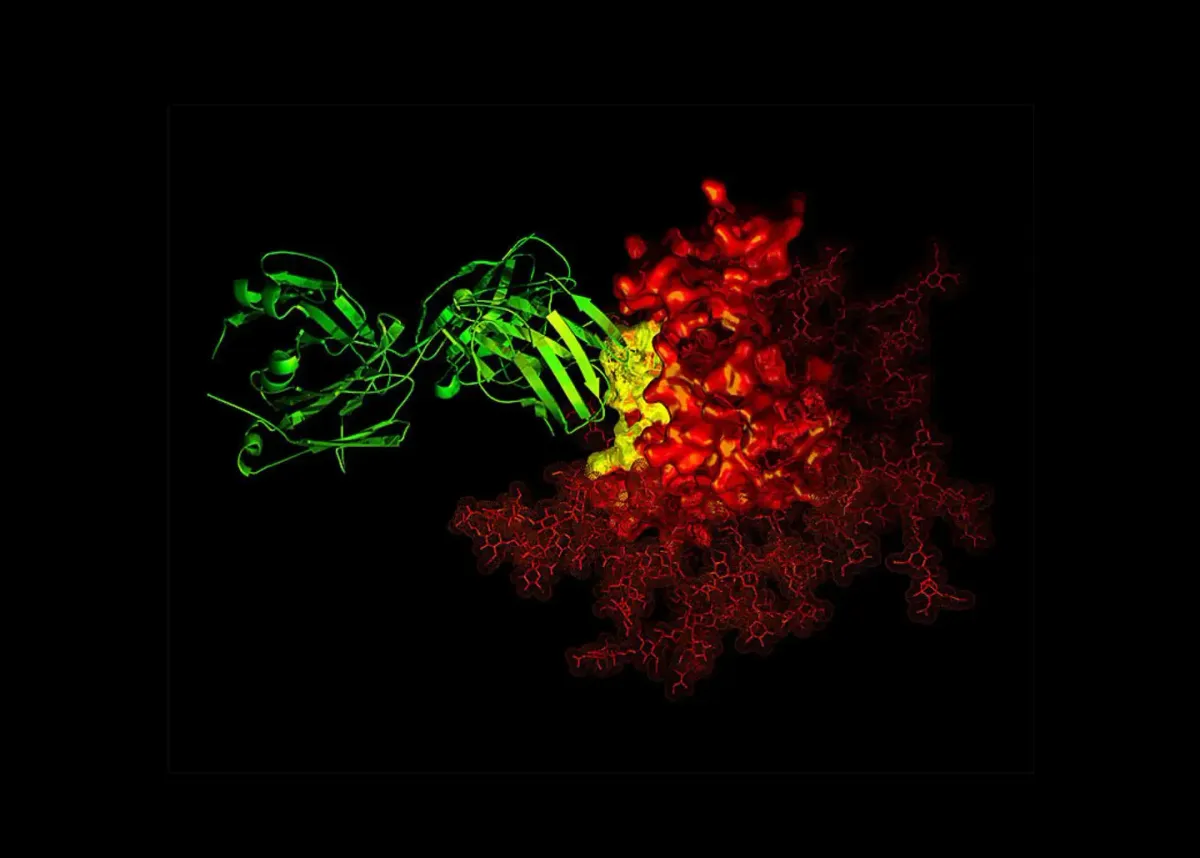
Out of about 60 genes linked to TG:HDL, FNIP1 practically jumped out. People with just one copy of the rare, disabled FNIP1 variant had lower liver fat, better blood sugar, and that impressive 60% reduced risk of cardiometabolic disease. To confirm, they silenced FNIP1 in liver cells, which promptly ramped up fat breakdown. Then, they used CRISPR-Cas9 to remove FNIP1 in mice on a high-fat, high-sugar diet. These mice ended up with less body fat, more muscle, and better insulin sensitivity, even while indulging. Because apparently, that's where we are now.
Normally, FNIP1 acts like a metabolic brake, telling your body to save energy when food is scarce. But in our calorie-rich modern world, releasing that brake could unleash your body's natural fat-burning processes. Imagine a drug that could mimic this effect, specifically targeting the liver to avoid side effects.
It's a complex path from discovery to treatment, of course. The protective effects were seen in people who had this mutation from birth. A pill or therapy later in life might not be the same. And safety is paramount; mice without any functional FNIP1 can face liver damage and cancer. So, targeted treatments will be key.
Still, the potential is enormous. As Satoshi Koyama from the Broad Institute noted, identifying FNIP1 — a previously little-known player in fat metabolism — is highly novel and offers immense promise for future drug development. It's a reminder that sometimes, the best defense is literally written in our DNA.