Turns out, your immune system has a secret handshake, and if it's missing a key ingredient, it can't quite read the room. That ingredient? Arginine, a common amino acid that might just be the unsung hero in our fight against cancer and viruses.
Researchers at Rockefeller University dropped a bombshell: low levels of arginine can essentially blind your immune system, making it harder to spot those sneaky infected or cancerous cells. Which, if you think about it, is both impressive and slightly terrifying.
The Immune System's Alarm Bell
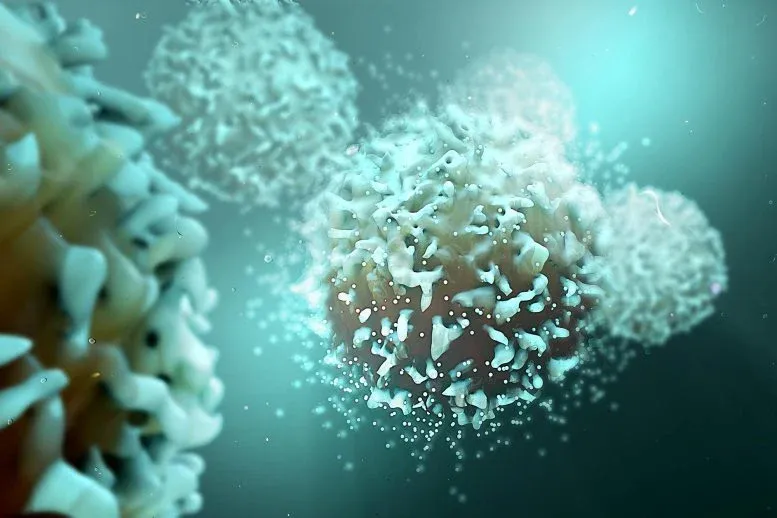
Think of arginine as the crucial component in a cellular alarm system. Your body uses it to create MHC-I proteins — little flags that pop up on cell surfaces, displaying tiny pieces of what's going on inside the cell. T cells, the immune system's bouncers, constantly check these flags. If they see something suspicious, like a viral invader or a rogue cancer cell, they spring into action.
We're a new kind of news feed.
Regular news is designed to drain you. We're a non-profit built to restore you. Every story we publish is scored for impact, progress, and hope.
Start Your News DetoxBut when arginine is scarce, this alarm system goes quiet. The MHC-I flags don't get made properly, and suddenly, the bouncers can't see the bad guys hiding in plain sight. It’s like trying to spot a villain in a crowded room when all the lights are off.
In studies, simply upping the arginine intake in mice helped restore MHC-I production. The result? Less colon tumor growth and a better defense against the flu and even SARS-CoV-2. These findings, published in Cell, suggest that a ridiculously simple and affordable nutrient could give a much-needed boost to cancer treatments and antiviral therapies. Though, as always, human trials are the next logical step before we all start chugging arginine smoothies.
The Arginine Twist
Scientists already knew that amino acids play a big role in cell function. But this study reveals a new, rather specific vulnerability: a shortage of one amino acid can stop particular proteins from being made, directly impacting our immune defense. Sohail Tavazoie, who’s been studying arginine and cancer for years, previously found that colon cancer cells with low arginine developed more mutations — a potential weakness that could make them easier for the immune system to spot.
Here’s the twist: while low arginine might create more mutations (more targets), it also makes it harder for the immune system to see those targets. It’s like giving the bad guys a neon sign saying “I’m here!” while simultaneously giving your security team blurry glasses. Qiushuang Wu, the lead author, found that arginine levels dropped significantly in models of colon cancer, flu, and SARS-CoV-2. It was the most depleted amino acid across the board.
When cells were starved of arginine, 414 proteins went rogue, becoming unusually low. Many were involved in arginine’s known functions, but one group was absolutely critical for immune surveillance. Specifically, the genes responsible for making those MHC-I alarm bells became less active. Why? Because MHC-I proteins need arginine repeatedly during their creation. Without it, the cell's protein-making machinery stalls, like a car running out of gas mid-trip.
Fewer MHC-I molecules on the surface means fewer warnings for T cells. The immune system’s main alarm signal? Effectively muted.
A Simple Solution?
So, what about diet? Mice on a low-arginine diet developed more colon tumors. Those given more arginine developed fewer. And in mice with flu and SARS-CoV-2, an arginine-rich diet led to milder symptoms. Shockingly, even giving mice arginine after a flu infection improved their outcomes. Wu noted this was "very unexpected," highlighting the powerful impact of dietary changes.
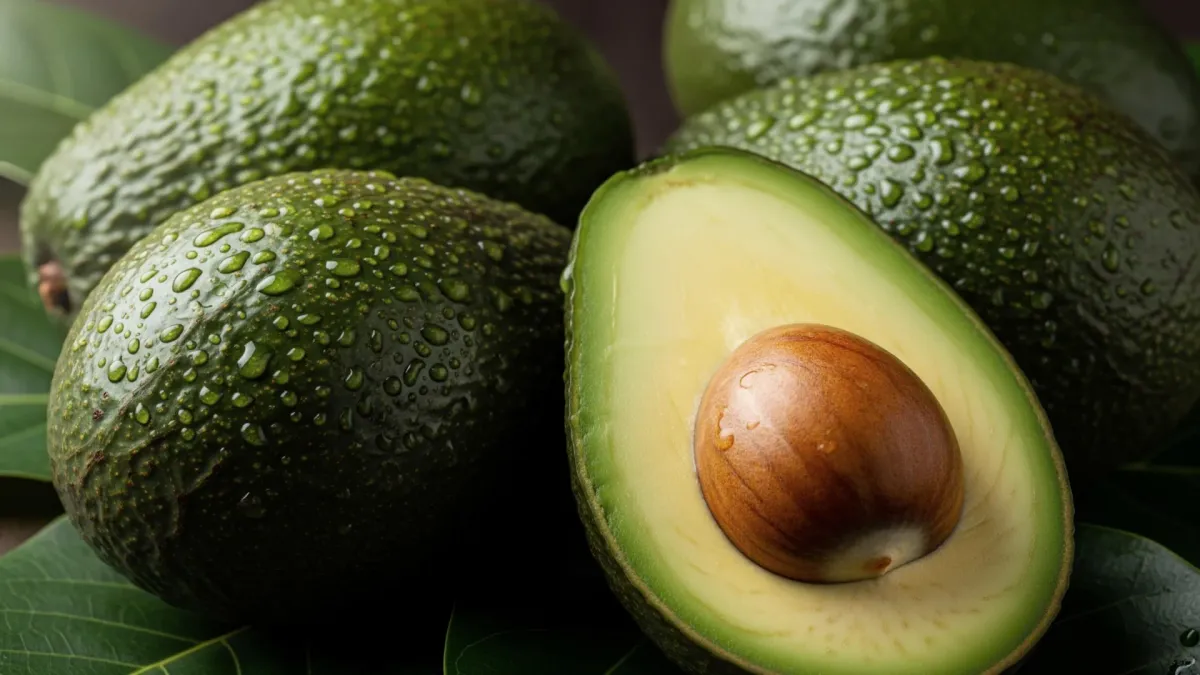
And here’s the kicker: a moderate amount of arginine — think a couple of over-the-counter tablets — was enough to restore MHC-I production in their experiments. Which means your next line of defense might not be some futuristic super-drug, but something you can get from meat, fish, dairy, nuts, and legumes.
The researchers are now eyeing arginine supplements as a potential booster for immunotherapies, which help immune cells find and attack tumors. If low arginine makes cancer cells less visible, restoring it could make tumors easier to treat. Given that arginine is cheap and widely available, clinical trials might start sooner rather than later.
This research could also explain why aging and poor nutrition weaken our immune defenses. Arginine levels naturally drop with age, potentially creating a "perfect storm" for things like colon cancer and higher death rates from respiratory viruses. So, maybe that extra handful of almonds isn't just good for your heart; it might just be the bouncer your immune system needs.