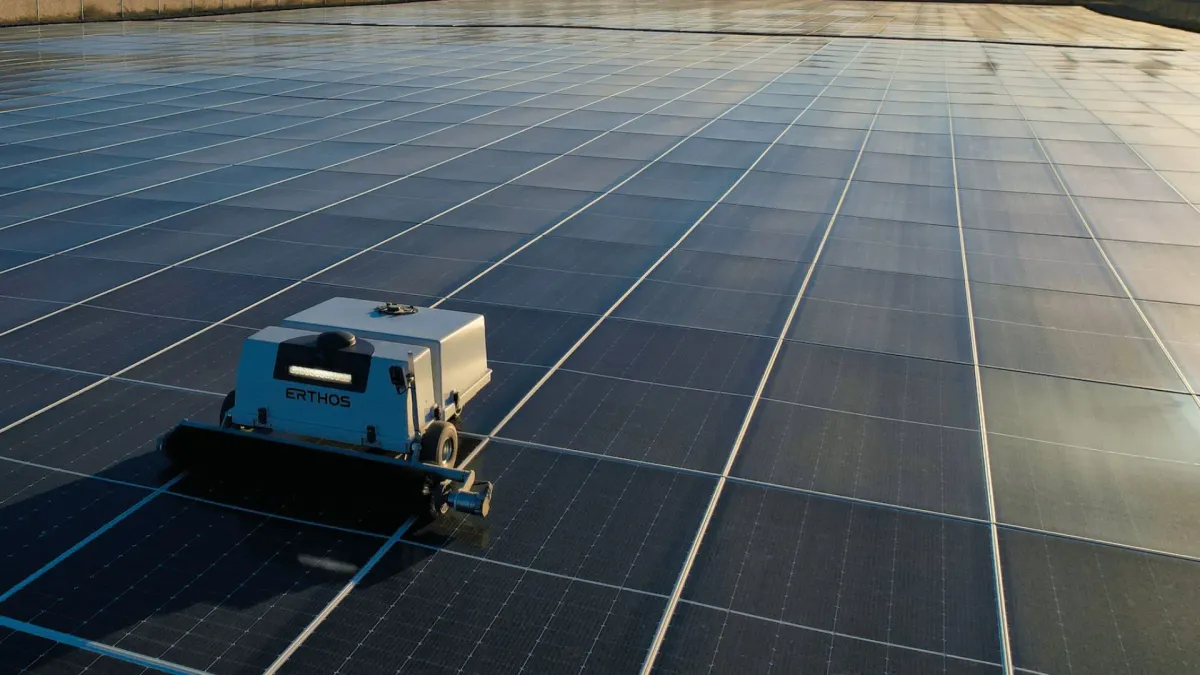
A new solar installation in Fresno, California, is quietly rewriting the rules for ground-mounted solar. Instead of the usual towering steel racks, these panels are cozying up directly with the earth, and the results? They've blown past their expected output by a staggering 101%. Apparently, sometimes you just need to get a little closer to the ground to reach for the sun.
ForeFront Power's new system at the Northeast Surface Water Treatment Plant isn't just a win for green energy; it's a testament to a clever design by Erthos that cuts construction costs and boosts power generation per acre. Since firing up in late March, it's already delivered 862 megawatt-hours of electricity to the City of Fresno. Not bad for a system that basically just lies there.
The Dirt on Ground-Level Solar
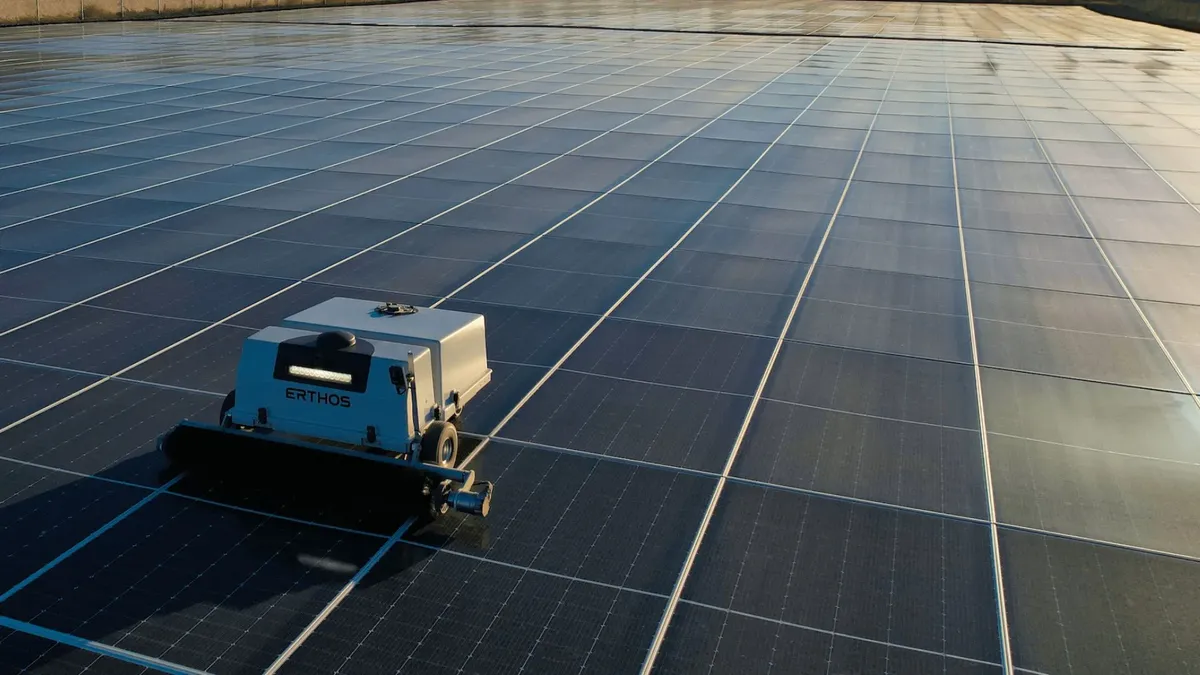
Traditional solar arrays look like an army of futuristic billboards. Erthos's approach skips all that steel scaffolding, laying panels directly on the ground. This isn't just aesthetically different; it means ditching expensive materials and complex installation, which was a godsend for the Fresno project, especially with today's inflated labor and material costs. These savings allowed ForeFront Power to offer Fresno electricity at a fixed rate for the next two decades. Because who doesn't love a predictable bill?
We're a new kind of news feed.
Regular news is designed to drain you. We're a non-profit built to restore you. Every story we publish is scored for impact, progress, and hope.
Start Your News DetoxThis flat-pack approach also means more panels can fit into a smaller footprint. Erthos claims their design eliminates the empty space typically left between panels, and they can even follow gentle slopes up to 15%. So, no need to flatten the entire landscape — the solar farm can just roll with the punches, or rather, the hills.
Robots, Because Of Course
And because we're talking about a cutting-edge solar farm, there's a robot involved. Naturally. An autonomous cleaning bot, the ErthBot, patrols the panels at night, using a dry nylon brush to keep them pristine. Each robot can handle over 3.5 megawatts of solar capacity, returning to its charging dock like a diligent Roomba when its work is done.
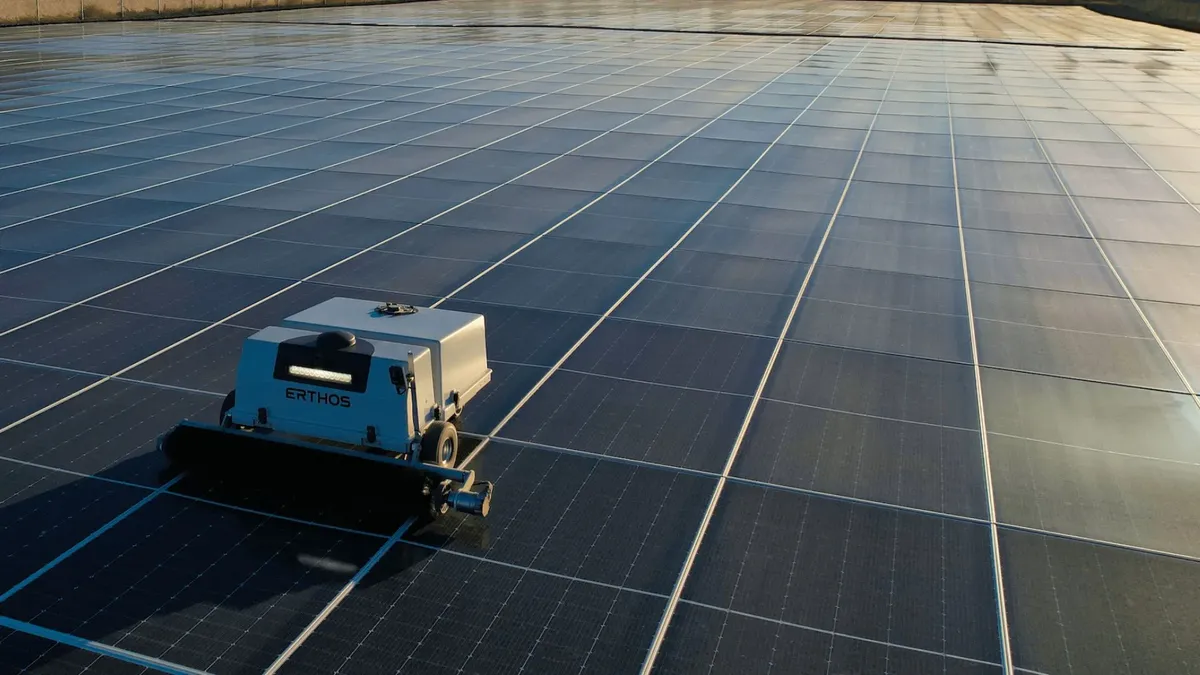
This means no more sending human crews out to meticulously scrub acres of panels. It's less labor-intensive, more efficient, and probably a lot more entertaining to watch. Erthos will manage these robotic operations as part of their agreement, ensuring the Fresno system keeps humming along.
This single project is part of a larger, 27-megawatt plan for three Fresno water facilities, expected to save residents over $122 million in electricity costs by 2045. It's a clear signal that sometimes, the biggest leaps forward come from rethinking the very foundation of how we build things. And if that foundation is the actual ground, even better.