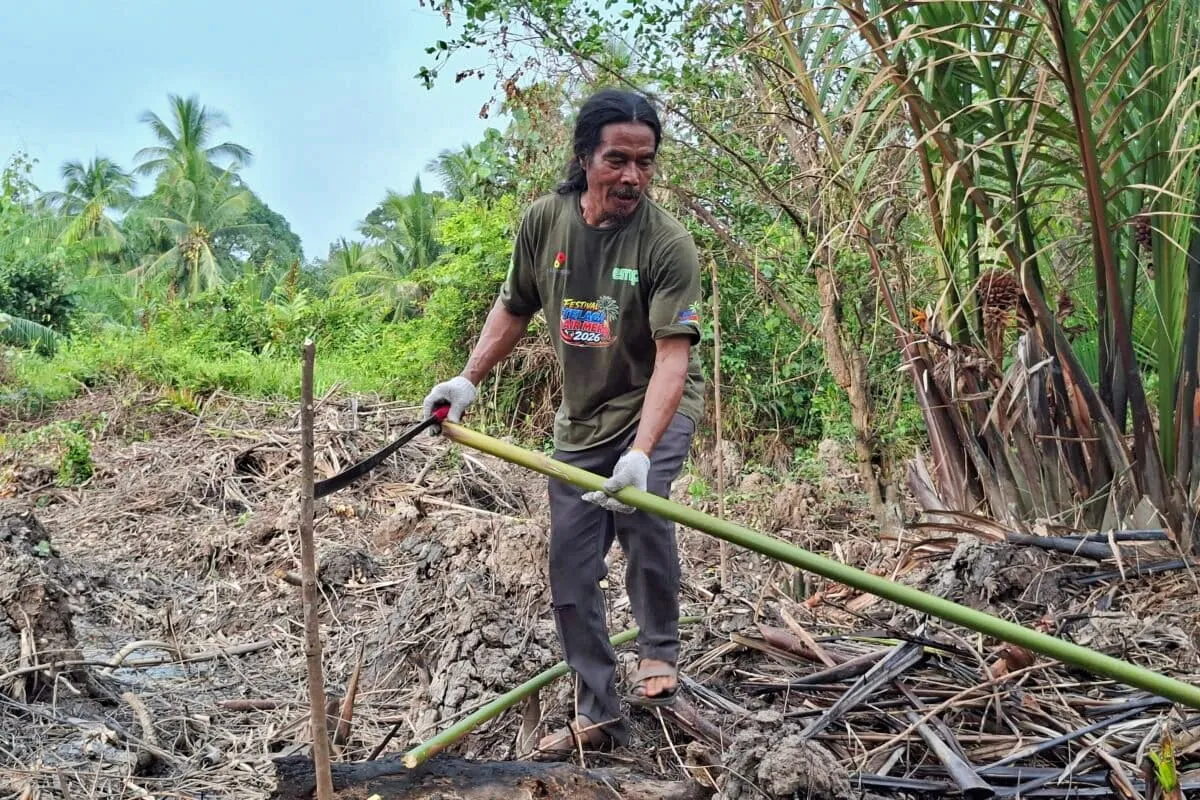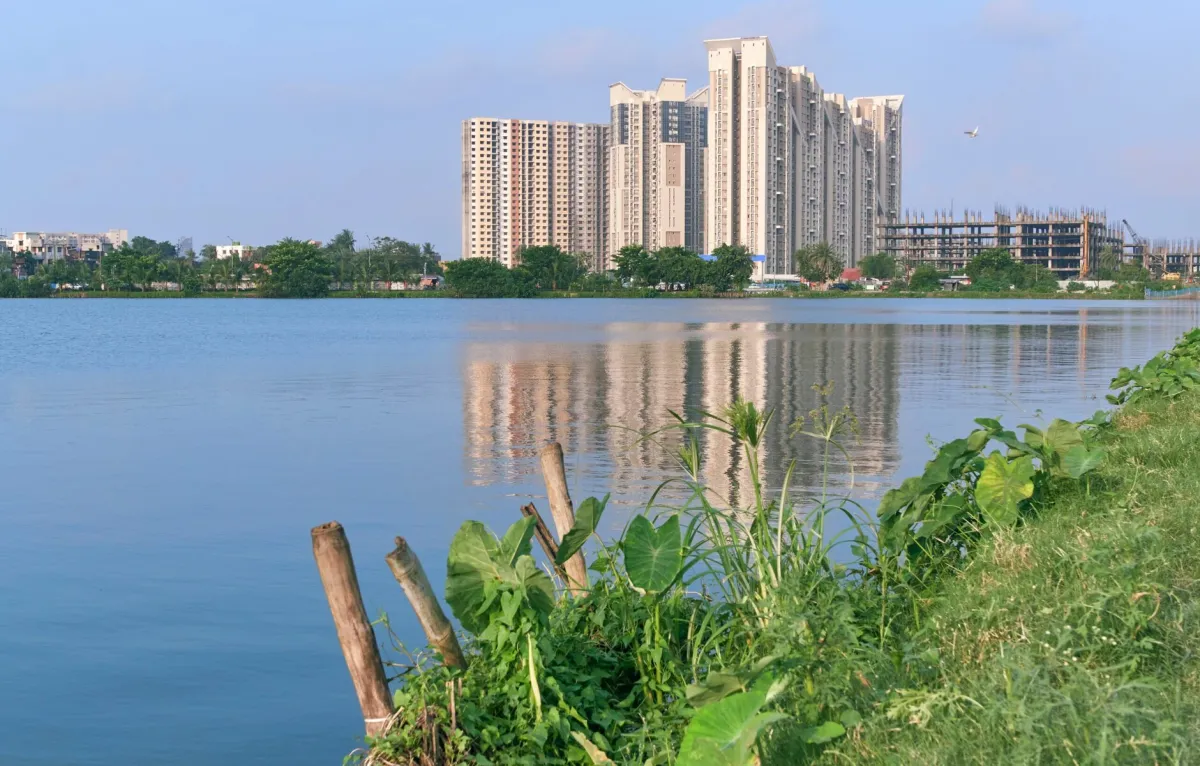
On a warm summer day, Gagan Das mixes groundnut and mustard meal in water. Large ponds reflect the sun around him. Mango, palm, and neem trees line the banks. This scene is only 15 miles from Kolkata, India's bustling capital.
Das feeds his fish with the mixture. He says fish farming is profitable because Kolkata loves carp. This year, he leased two ponds, called bheris, for about $940. He expects to quadruple his investment. His only problem? Sometimes, there isn't enough sewage from Kolkata.
Kolkata's Natural Water Treatment
This area is the East Kolkata Wetlands (EKW). It's a 12,500-hectare (6,178-acre) Ramsar Site, recognized internationally. This mix of sewage-fed ponds, marshes, channels, and farmland recycles about 900 million liters of Kolkata's wastewater daily.
We're a new kind of news feed.
Regular news is designed to drain you. We're a non-profit built to restore you. Every story we publish is scored for impact, progress, and hope.
Start Your News DetoxSusanta Kumar Chakraborty, author of Wetlands Ecology, calls it "the largest natural waste recycling system in the world." He says it saves Kolkata from building expensive, high-tech sewage treatment plants.
The wetland sits on a slope lower than the city. Underground pipes bring wastewater from pumping stations in East Kolkata. Nature then purifies the water in old sewage canals. Solid waste settles into a carbon-rich sludge, which becomes fertilizer. The sun treats and oxygenates the water. Aquatic plants, plankton, and microbes feed on organic matter, becoming food for fish.
The wetlands also soak up floodwater during heavy rains. By the time Das pumps water from the canal into his bheri, it looks clear and smells fresh.

Life and Livelihoods in the Wetlands
On a hot, humid day, Chakraborty and his students drive about 25 miles from Kolkata. They head towards the Sundarbans mangrove forest. In Jamaipara, a small fishing village in the EKW, they visit Das's bheri.
Chakraborty points out plants like water hyacinth and kalmi saag (water spinach) that clean pollution. Nearby fields grow sunflowers, paddy, eggplant, tomato, and chili. These crops use the composted sludge from the canals.

Nineteen-year-old Sumit Mandal is one of the teenagers offering coconut water. His family leases bheris where they raise popular local fish like catfish, carp, and tilapia. Mandal says the bheri gives them everything. It turns dirty city water into food and income. The wetland is also rich in wildlife, including monitor lizards, water birds, and fishing cats.
There are over 254 sewage-fed fisheries in the wetland. They support more than 30,000 fishers and farm workers.
Chakraborty confirms that fish from these bheris are safe to eat. A 2023 study found heavy metal levels in EKW fish were within World Health Organization limits. However, he notes that more industrial waste is entering the system now. He points to the Kolkata Leather Complex, which has about 500 tanneries and a criticized wastewater treatment system.
Challenges and Solutions
The EKW's natural features have helped maintain it. The city's lower gradient allows wastewater to flow naturally. Tidal flows from the Sundarbans push wastewater from western Kolkata to the eastern wetlands. The marshy land easily absorbs wastewater and rainwater.
Chakraborty says this system needs specific geography. However, parts of it can be copied elsewhere. These include using pollution-absorbing plants, plankton, and fish. Composting sewage sludge for farming and using natural slopes to move and aerate wastewater are also replicable.
Cities worldwide are using nature-based solutions for wastewater. Arcata, California, combines traditional treatment with constructed wetlands. China uses wetlands in its "sponge city" approach to absorb stormwater and improve water quality. Vietnamese cities integrate aquaculture ponds into urban water management.
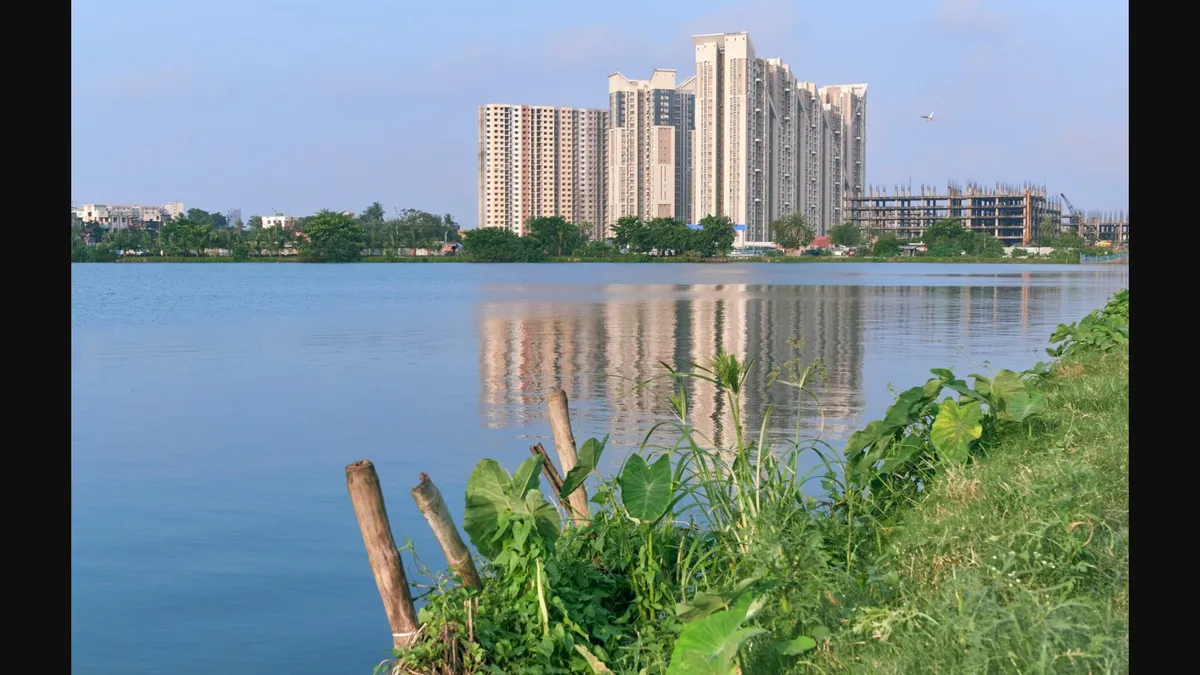
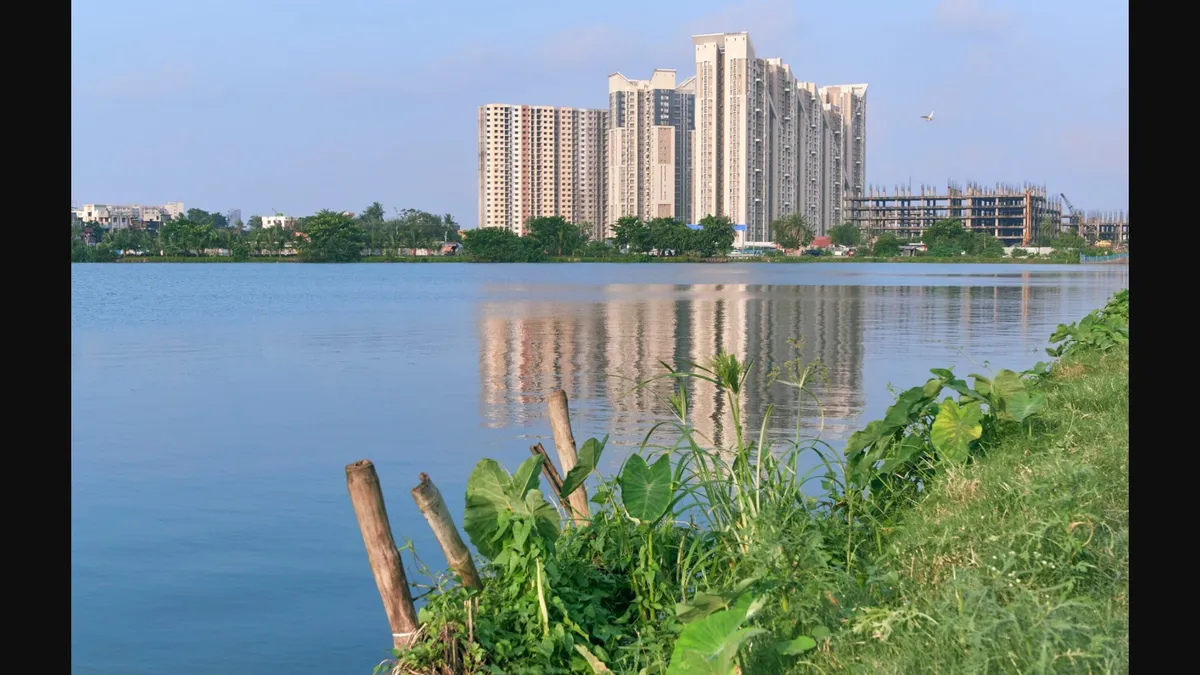
The EKW is unique for its scale and its century-long survival. However, it faces pressure. Skyscrapers are appearing as the city expands. Real estate development, industrial zones, and drying channels threaten the wetland's ecological functions.
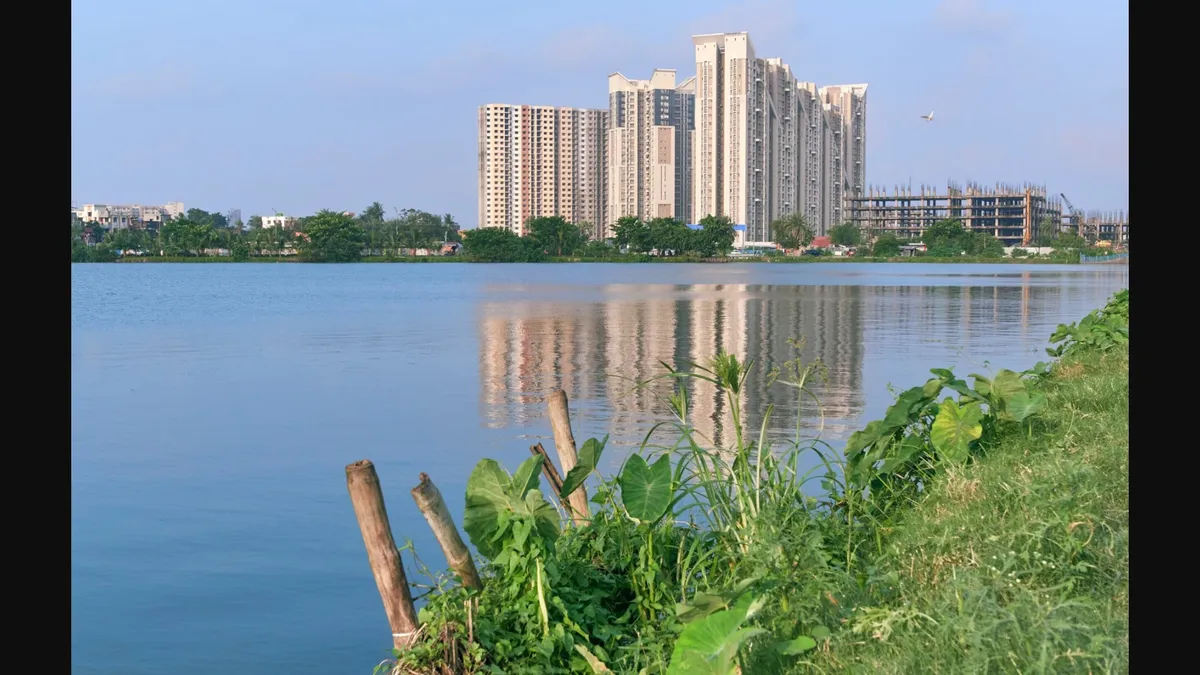
The bheris are also being divided among heirs, making them smaller and less connected. This degradation has impacted Kolkata. In 2025, during heavy rains, nine of ten flood-related deaths were due to electrocution. Chakraborty says the wetland used to absorb excess rainwater. If it degrades further, the city will be less resilient to extreme weather.
Ecologist Dhrubajyoti Ghosh coined the term "East Kolkata Wetlands." He successfully lobbied for its Ramsar Site designation in 2002. Legal protection came with the East Kolkata Wetlands (Conservation and Management) Act of 2006. Ghosh, who passed away in 2018, argued that the wetlands were vital ecological infrastructure, not empty land for development.
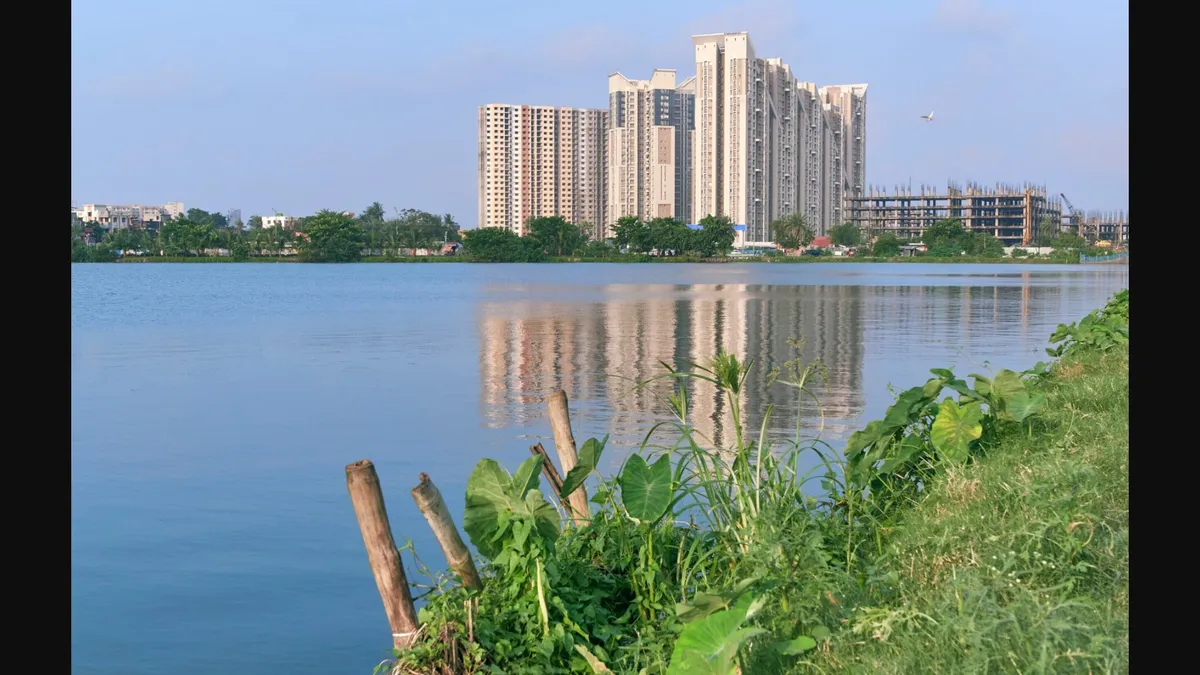
Chakraborty notes that despite the law, governance is a problem. The law exists but is not always followed.
In the Malancha fish market, fisher Rathin Das sells his catch. He believes a cold storage facility would help fishers catch more and earn more. This, he hopes, might encourage more people to protect the wetland.