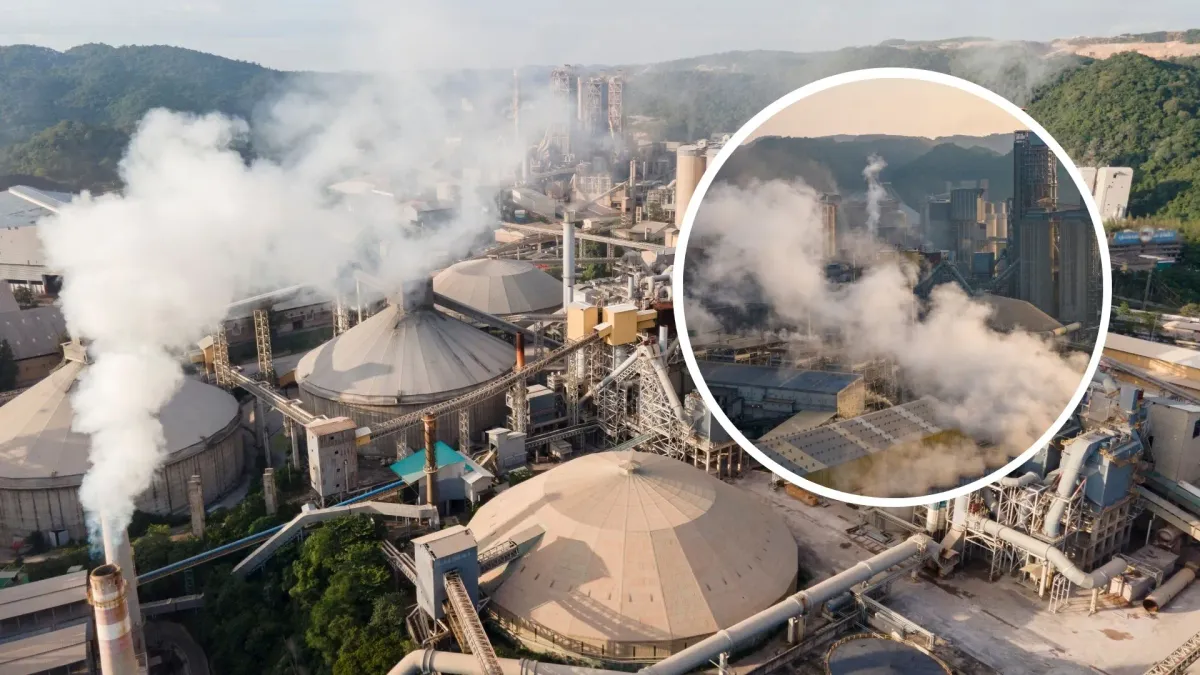
Cement: the unsung hero of our modern world, holding up everything from skyscrapers to your morning commute. It's also a surprisingly dirty business, pumping out 5–8% of global CO₂ emissions. That's more than aviation and shipping combined. For decades, the industry has been trying to clean up its act, but some emissions are just… baked in.
Enter the clever minds at ETH Zurich, who have cooked up a new way to not just reduce cement's carbon footprint, but potentially flip it entirely. Their idea? Turn cement plants into giant atmospheric vacuum cleaners, sucking CO₂ out of the air while still churning out the stuff we build with. Because apparently that's where we are now: making building materials that also heal the planet.
The Loophole in the Loop
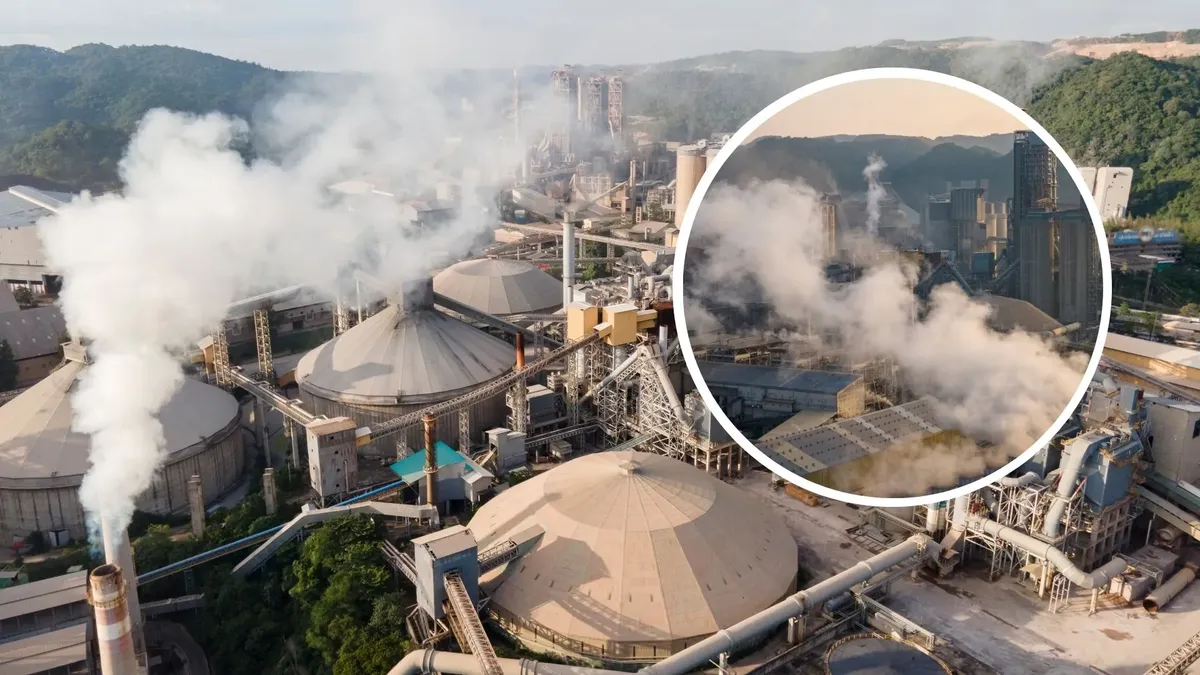
The problem with cement is twofold. First, heating those massive kilns takes a lot of energy, often from fossil fuels. Second, the very ingredient that makes cement — limestone — releases CO₂ when heated in a process called calcination. It's like trying to bake a cake without eggs, but the eggs are also emitting greenhouse gases. A real head-scratcher for decarbonization efforts.
We're a new kind of news feed.
Regular news is designed to drain you. We're a non-profit built to restore you. Every story we publish is scored for impact, progress, and hope.
Start Your News DetoxThe ETH Zurich team's solution, published in Chem Circularity, is called calcium looping. It's a bit like a magic trick where the same basic ingredient, limestone, gets reused to do double duty. Instead of just seeing the CO₂ from cement production as waste, they see an opportunity to combine it with Direct Air Capture (DAC) technology to capture even more CO₂ from the atmosphere.
Here’s the gist: Limestone is heated to make quicklime. Usually, the CO₂ escapes. Not anymore. Now, it's captured. Then, water is added to the quicklime to create slaked lime. This slaked lime, the real hero of the story, is incredibly good at absorbing CO₂ from the surrounding air, eventually turning back into limestone. Which, you guessed it, can then be used again in cement production. It’s a reusable sponge for atmospheric CO₂ that just keeps on giving.
Beyond Just Being Less Bad
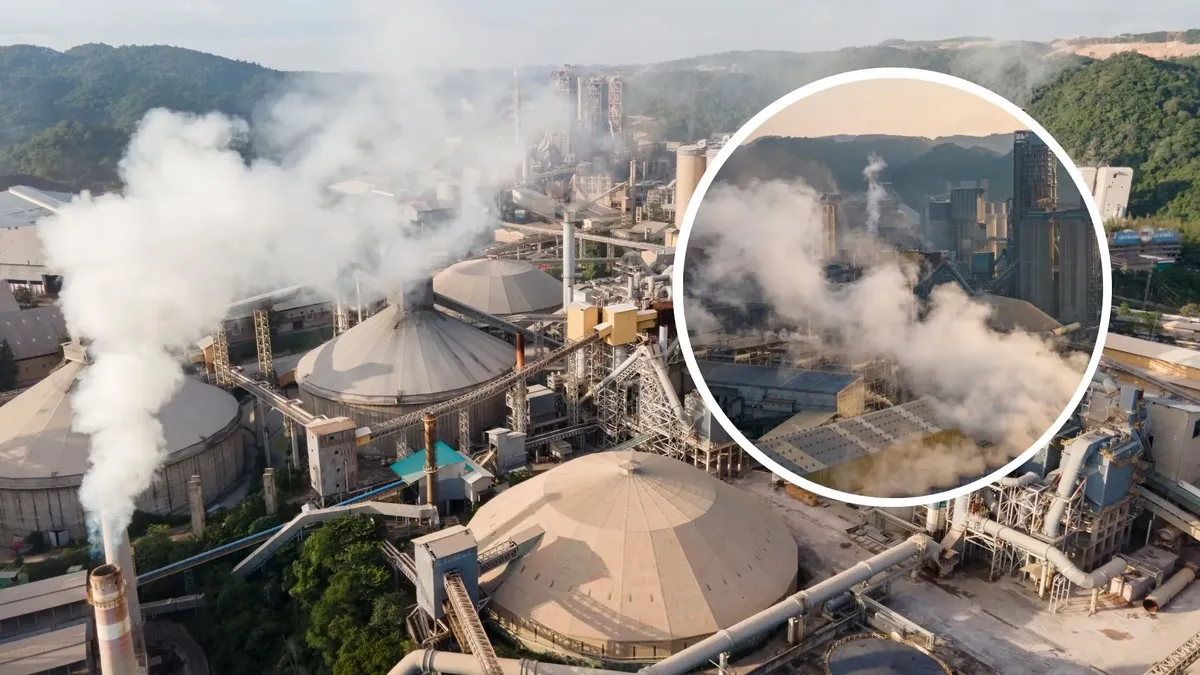
Most efforts in heavy industry focus on being less bad. Renewable energy helps, carbon capture of their own emissions helps. But this system goes a step further. The calcium-looping DAC system doesn't just capture the plant's own CO₂, it actively pulls existing CO₂ from the air. That atmospheric CO₂ can then be compressed and stored permanently underground. This means a cement plant could actually become "net-negative," removing more CO₂ than the entire system emits over its lifetime. Let that sink in.
The researchers crunched the numbers, and they're looking good. By electrifying cement kilns and integrating this DAC tech, the climate impact of cement production could be slashed by up to 78% by 2050. The catch, as always, is energy. DAC systems are energy hogs, so powering them with anything less than low-carbon or renewable electricity somewhat defeats the purpose. But with clean energy, the system could achieve 85–96% CO₂-removal efficiency. We’re talking about a future where making cement might actually be good for the air we breathe. Who knew?