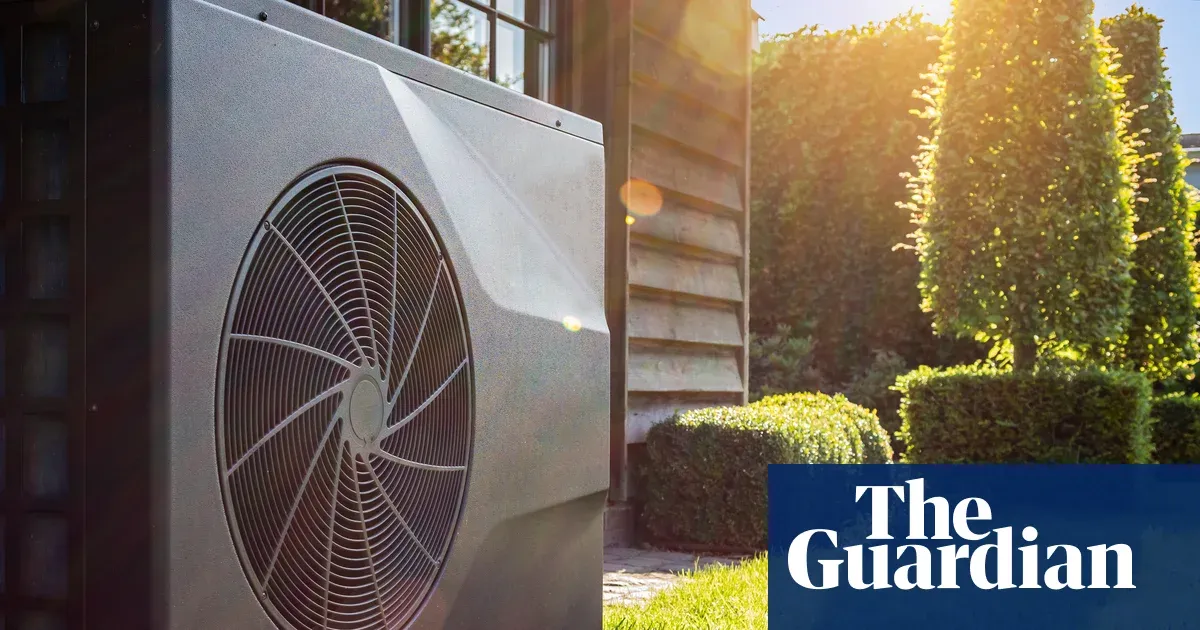
When summer heatwaves hit, many people look for ways to cool their homes. Andrew Ingram from Maidenhead, Berkshire, found a solution in his heat pump. He can get his living room down to 21C even when it's 35C outside. He jokes that he needs thick pajamas to sleep in there.
Ingram often tells people on Facebook that his cool home comes from his heat pump, not air conditioning. Heat pumps transfer heat from one place to another. While they are known for heating, they can also cool homes.
How Heat Pumps Cool Homes
The Ingrams have an air source heat pump. This system usually takes heat from the outside air to warm their radiators. In 2023, when they replaced their gas boiler, they decided to add a cooling option for their living room, which often gets very hot.
We're a new kind of news feed.
Regular news is designed to drain you. We're a non-profit built to restore you. Every story we publish is scored for impact, progress, and hope.
Start Your News DetoxIngram calls the cooling "a revelation" and "an absolute lifeline" during heatwaves. When they feel exhausted from the heat, they turn it down to cool the room, then let the temperature rise again.
Their living room has a special "emitter" called a fan coil unit. This unit blows air over hot or cold pipes. The entire new energy system cost about £18,600, with the cooling part costing £1,700.
Ingram notes that cooling with water can cause condensation, similar to a cold drink on a warm day. To avoid this, pipes need special insulation or must be placed outside, which is what they did. The Ingrams have used their cooling system more each year since 2024, making their home a popular spot for visitors.
Government Support and Future Outlook
The government offers grants to help homeowners install heat pumps. The Boiler Upgrade Scheme provides £7,500 for air-to-water or ground-to-water systems in England and Wales. Households not connected to the gas grid can get an extra £1,500, bringing the grant to £9,000. Scotland also offers interest-free loans or grants for energy-efficient home improvements. To qualify, heat pumps and installers must be certified by the Microgeneration Certification Scheme.
Previously, heat pumps that also cooled needed planning permission. This is because rules stated they had to be solely for heating. These rules have now been updated to allow cooling.
Most heat pumps installed in the UK are air-to-water systems. Out of 358,000 heat pumps, about 323,000 are this type. However, this might change soon. The government plans to offer £2,500 grants for air conditioning units that can both heat and cool. These air-to-air heat pumps use wall-mounted fans and cost about £4,500 for a flat or small house. Air-to-water heat pumps typically cost around £12,000.
Recent heatwaves have highlighted the issue of "heat-trap homes." A report by the Climate Change Committee suggests that by 2050, 92% of existing homes could overheat. This means passive measures like curtains and open windows might not be enough, and air conditioning could become necessary.
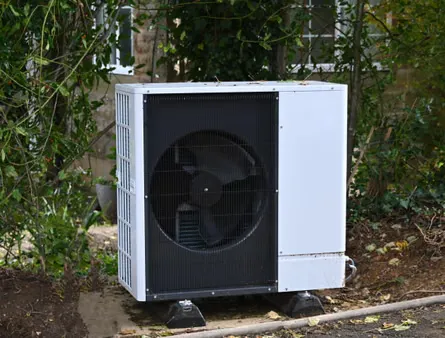 A heat pump transfers heat energy from one place to another. Image: David McGill/Alamy
Research at the University of Salford's Energy House 2.0, a climate-controlled chamber, shows that heat pumps can "significantly reduce overheating" in modern homes. Scientists tested a heat pump with fan coils in a simulated house. When the lab temperature was 32C, the rooms stayed comfortable, between 19C and 24.9C. Running the heat pump continuously cost £2.50-£3 per day.
Professor Lubo Jankovic, who leads the research, says these results prove that reversible heat pumps can protect future homes from overheating. However, he notes that designing systems for both heating and cooling needs more attention before this method becomes common.
Cost Savings and Smart Tariffs
Many people wonder if a heat pump will save them money. A poll by Which? found growing interest but also concerns about high upfront costs and uncertain bill impacts. To help people understand, the charity Nesta runs a "visit a heat pump" scheme, offering tours of over 1,200 homes, including the Ingrams'.
The Energy Saving Trust says the biggest savings come from using a dedicated heat pump energy tariff and adding other green technologies like solar panels. Heat pumps run on electricity, which is usually more expensive per unit than gas. Without a special tariff, this can lead to high energy bills.
Using a time-of-use tariff can save heat pump users about £330 per year compared to a flat-rate tariff. With additions like solar panels, savings can increase to about £800, though these add to the initial cost. The Ingrams use solar panels and a home battery to keep their bills low. Their batteries charge overnight if needed, but often get enough power from solar panels, allowing their pump to run on free or very cheap electricity.