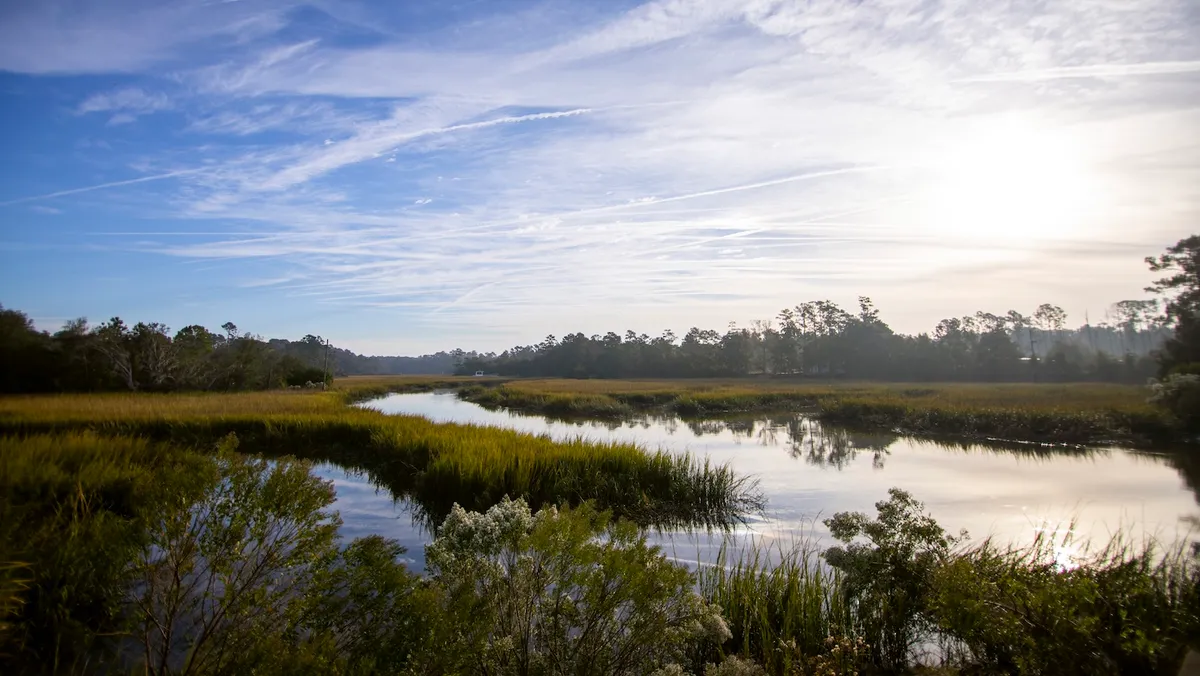
Northern California is quietly rolling out a new kind of flood defense, and it looks less like a concrete wall and more like, well, a very well-manicured hill. These aren't your grandpa's steep, rocky seawalls. These are "horizontal" or "living" levees, and they're bringing a touch of ecological elegance to the fight against rising sea levels.
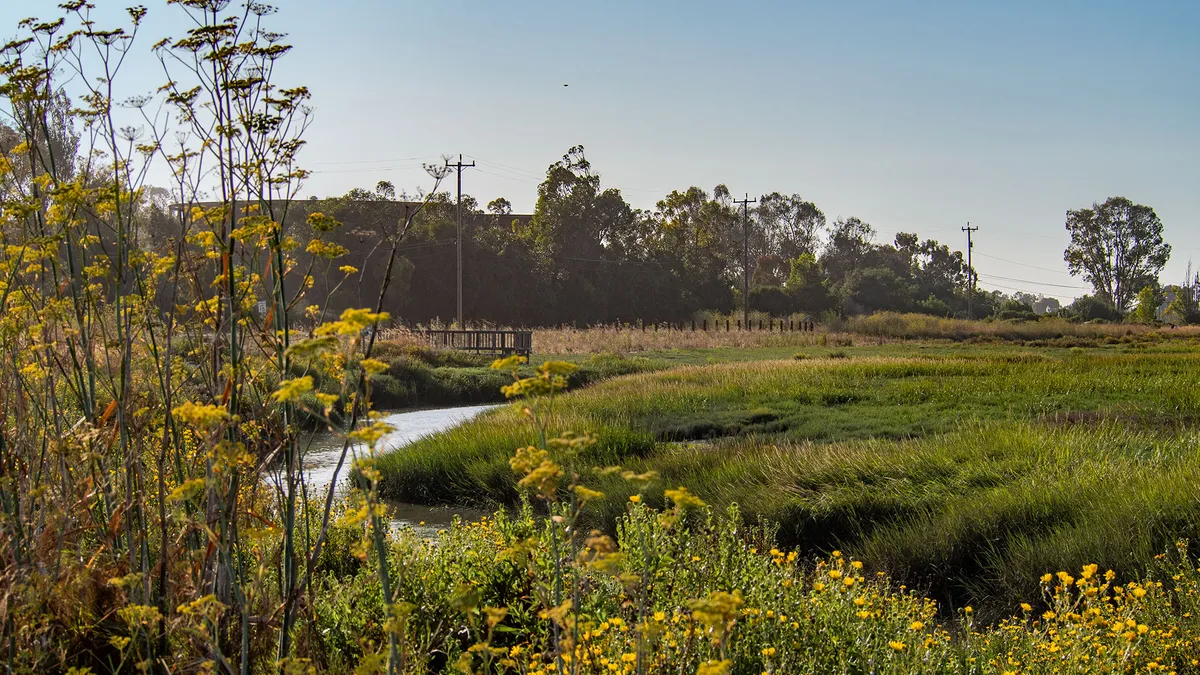
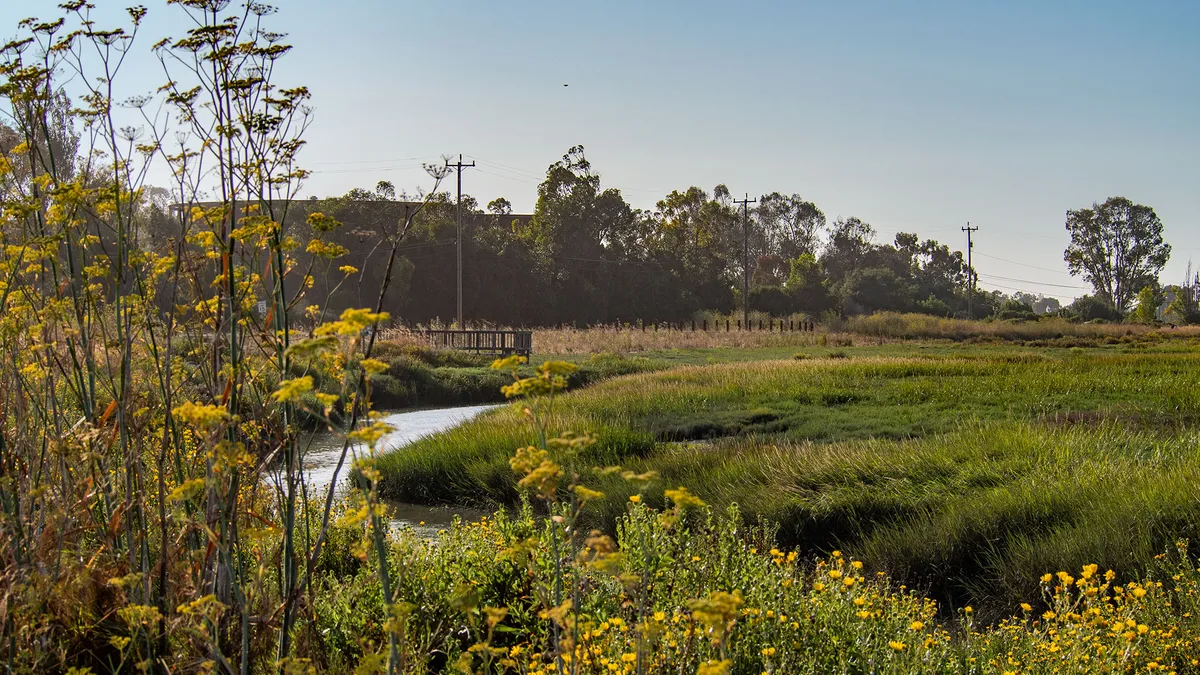
Take the Palo Alto Baylands Nature Preserve's new addition. It's a gently sloping mound, not unlike a natural beach, planted with over 35 types of native flora. The idea, as lead engineer Mark Lindley explains, is that "waves break on that slope like they do on a beach." Simple, effective, and considerably less brutalist than a slab of concrete.
More Than Just a Pretty Hill
This isn't just about flood protection; it's a two-for-one deal with habitat restoration. The trend started in 2017 with the Oro Loma Horizontal Levee, and now about a dozen more are planned around the Bay. The Palo Alto version, however, has a particularly clever trick up its sleeve: it's irrigated with treated wastewater from the local treatment center. The plants then act as a natural filter, stripping nitrogen from the water before it flows into the Bay. Because apparently, even our flood defenses can be overachievers.
We're a new kind of news feed.
Regular news is designed to drain you. We're a non-profit built to restore you. Every story we publish is scored for impact, progress, and hope.
Start Your News DetoxThese living levees also double as prime real estate for some very particular tenants. We're talking about the salt-marsh harvest mouse, or "saltie" — an endangered rodent that needs specific habitat to avoid high tides. Wildlife biologist Katie Smith sees these levees as an "optimal potential option" for the little guys. So, not only is it protecting property, it's literally giving endangered mice a leg up.
The Future, Gently Sloping
This pilot project is a modest 500 feet long, but it's a crucial experiment. Over the next five years, researchers will be meticulously tracking its benefits, from recreational use to biodiversity and water quality. This data will be key to proving the long-term value of green infrastructure, especially since the upfront costs can sometimes make budget-watchers nervous.
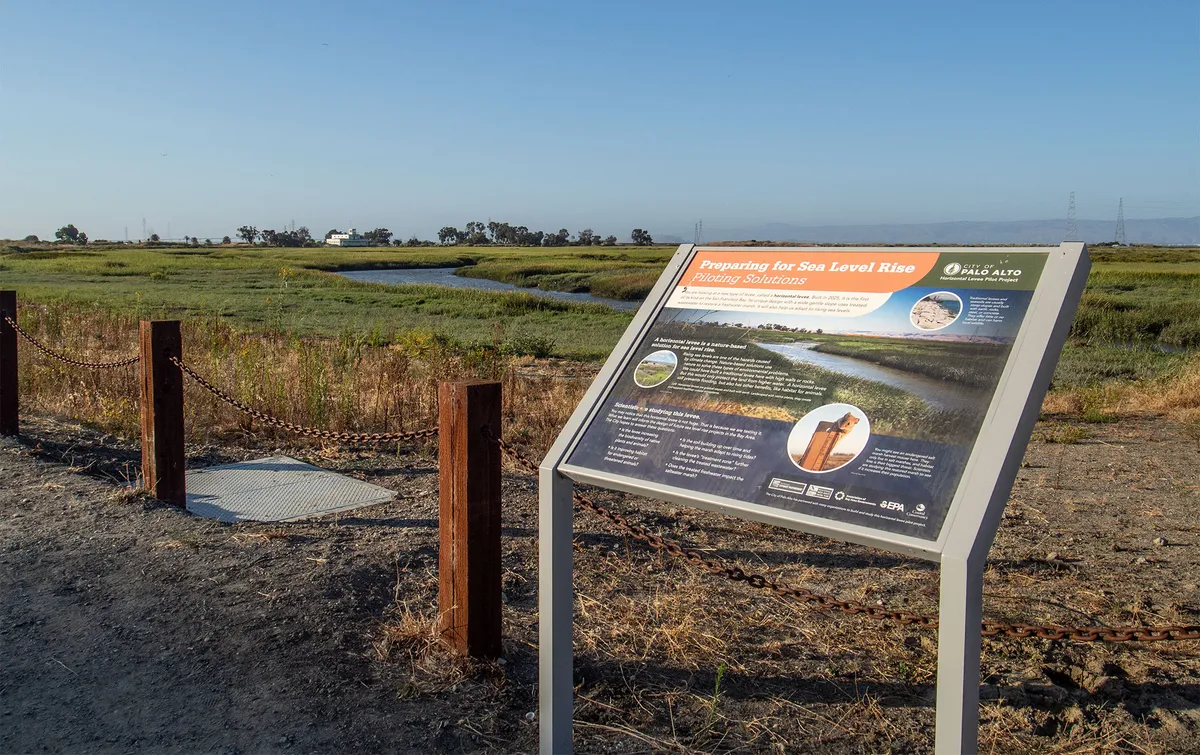
It took almost a decade to build, partly due to the complexities of integrating the wastewater system. But the gentle slope is already doing its job, breaking waves and providing a buffer. This protection is becoming increasingly vital, with sea levels projected to rise 3 to 6 feet by 2100. Lindley points out that today's "king tides" — the ones that make you nervously eye your flood insurance policy — will be the everyday high tides in just 20 years. Which, if you think about it, is both impressive and slightly terrifying. A living levee, then, isn't just a project; it's a preview of the future, built one plant (and one mouse habitat) at a time.