Bangladesh is booming, and with that growth comes more roads slicing through once-pristine forests. The unfortunate side effect? A lot more wildlife, especially primates, are ending up as hood ornaments. But instead of just wringing their hands, the folks in Tangail's Forest Department cooked up a delightfully low-tech, low-cost solution: ropeway bridges.
Picture this: five sturdy rope bridges, strung across an 8-kilometer (5-mile) stretch of the Mymensingh-Tangail Highway N401. This particular highway cleaves right through Madhupur National Park, a hotspot for animal-vehicle encounters. The total bill for this arboreal infrastructure? A mere 625,000 takas, or roughly $5,000. Let that satisfying number sink in.

High-Flying Commutes for Forest Dwellers
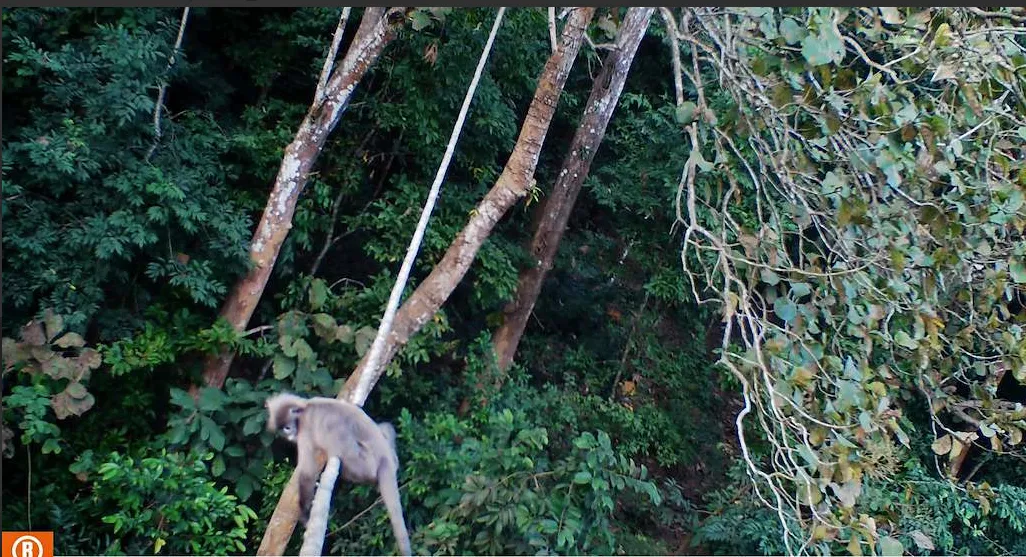
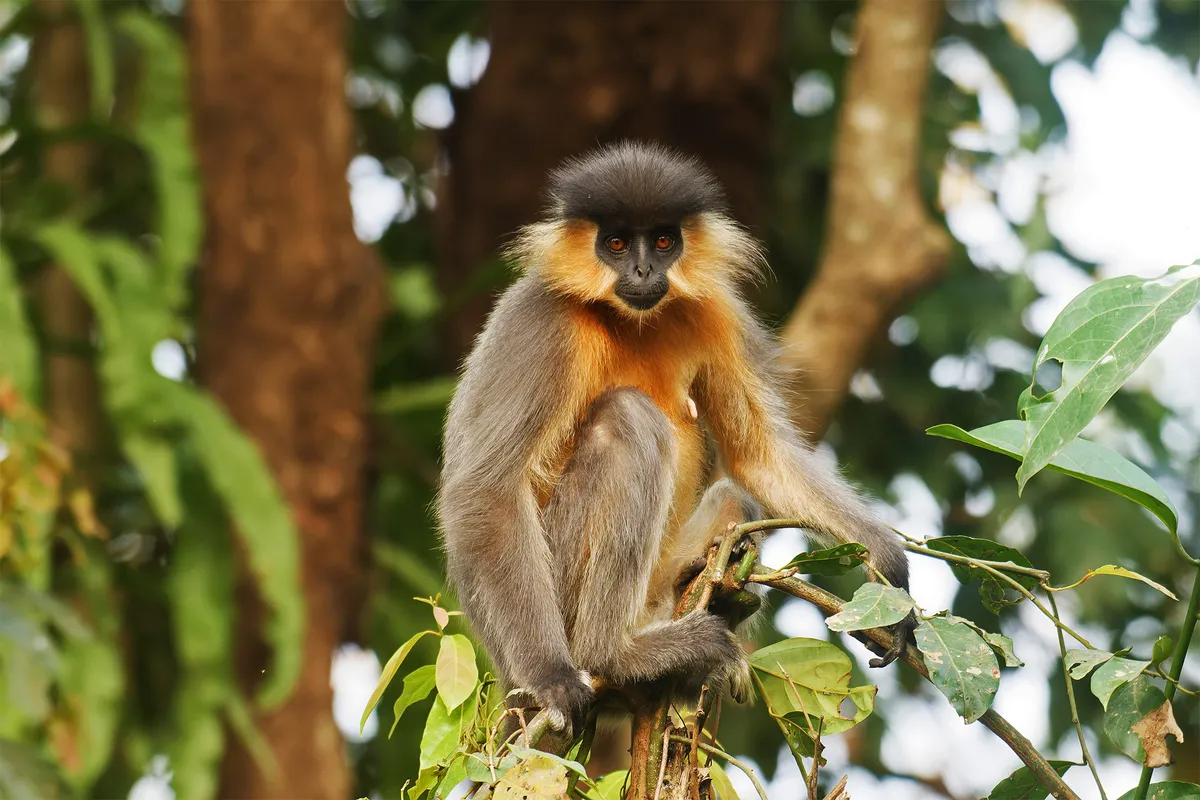
These aren't just for show. These nylon skyways are specifically designed to give animals like rhesus macaques, capped langurs, Indian civets, and even fishing cats a safe, elevated commute. No more dodging traffic for these guys, as forest officer Abu Naser Mohsin Hossain explained to Mongabay. It’s a simple idea that solves a very messy problem.
We're a new kind of news feed.
Regular news is designed to drain you. We're a non-profit built to restore you. Every story we publish is scored for impact, progress, and hope.
Start Your News DetoxMadhupur National Park itself is a big deal, covering 8,436 hectares (20,845 acres) and hosting 151 species. Rhesus macaques, in particular, are frequent daytime casualties. Though, in a grim twist, these road fatalities often go unrecorded because local Indigenous communities tend to make use of the carcasses. Which, if you think about it, is both practical and a stark reminder of the cost of habitat fragmentation.
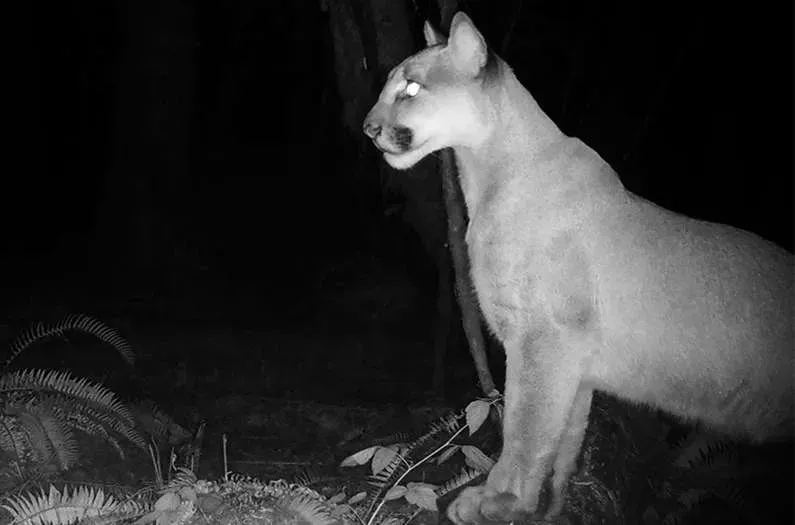
Each bridge is a generous 30 meters (100 feet) long and about a meter (3 feet) wide, offering a secure aerial path for tree-dwelling creatures, whether they're nocturnal or out and about during the day. It's a surprisingly elegant answer to a complex problem, proving sometimes the best solutions are the ones that are literally hanging in the air.