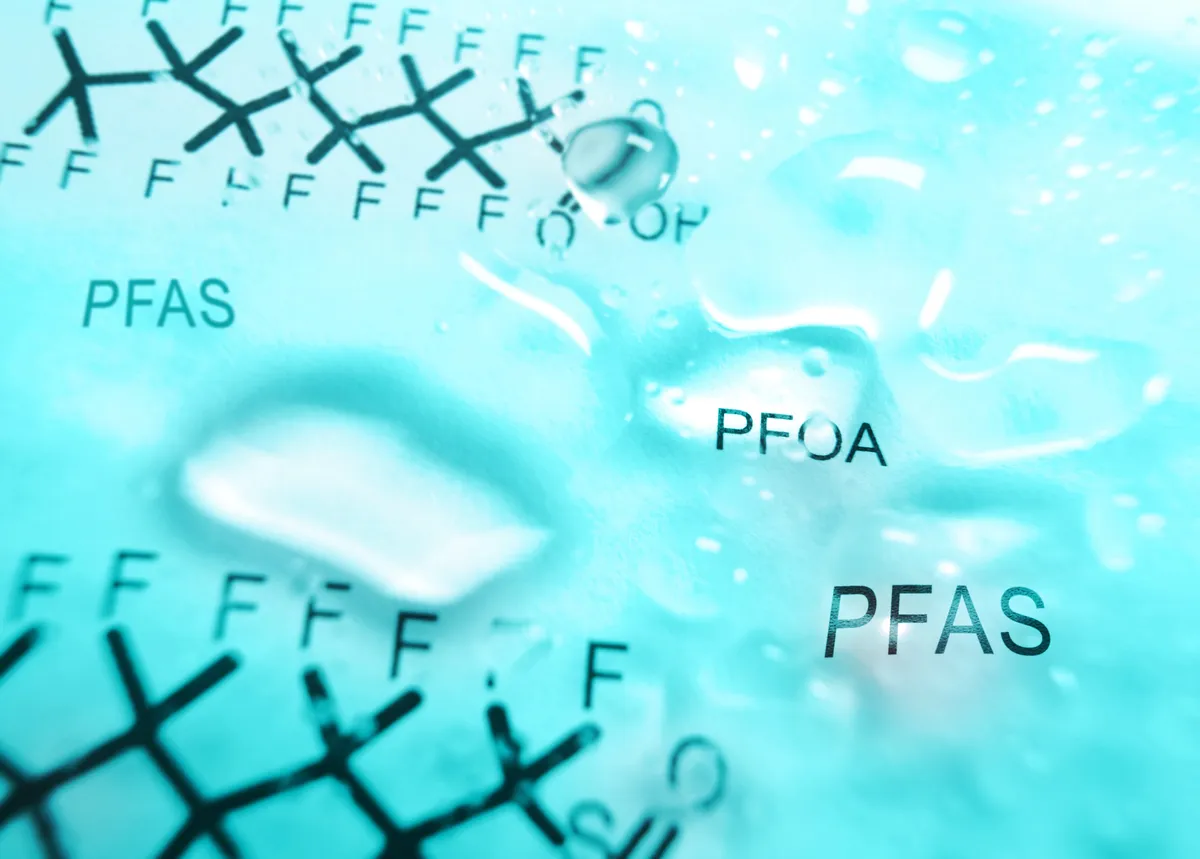
Sweden, a country that apparently doesn't believe in waiting around, has decided it's had enough of "forever chemicals." By January 1, 2028, you won't find these persistent little troublemakers in a whole host of consumer products, from your nonstick pans to your waterproof jackets, cosmetics, and even ski wax.
Romina Pourmokhtari, Sweden's Minister for Climate and the Environment, basically declared it a mic drop moment for public health and the environment. Because, frankly, who wants chemicals that outlive the pyramids hanging out in their bloodstream?
No More Waiting
This isn't some blanket ban that leaves industries scrambling. The new rules apply only where safer alternatives to these PFAS (Per- and polyfluoroalkyl substances) already exist. Which, if you think about it, is a pretty smart way to shut down the "it's impossible!" crowd.
We're a new kind of news feed.
Regular news is designed to drain you. We're a non-profit built to restore you. Every story we publish is scored for impact, progress, and hope.
Start Your News DetoxPourmokhtari's stance is clear: Sweden isn't going to sit around while these chemicals continue to infiltrate homes, nature, and, well, everyone's insides. Sian Sutherland, co-founder of A Plastic Planet, applauded the move, noting that it proves governments don't have to just accept toxic chemicals as part of modern life. Turns out, there are other options.
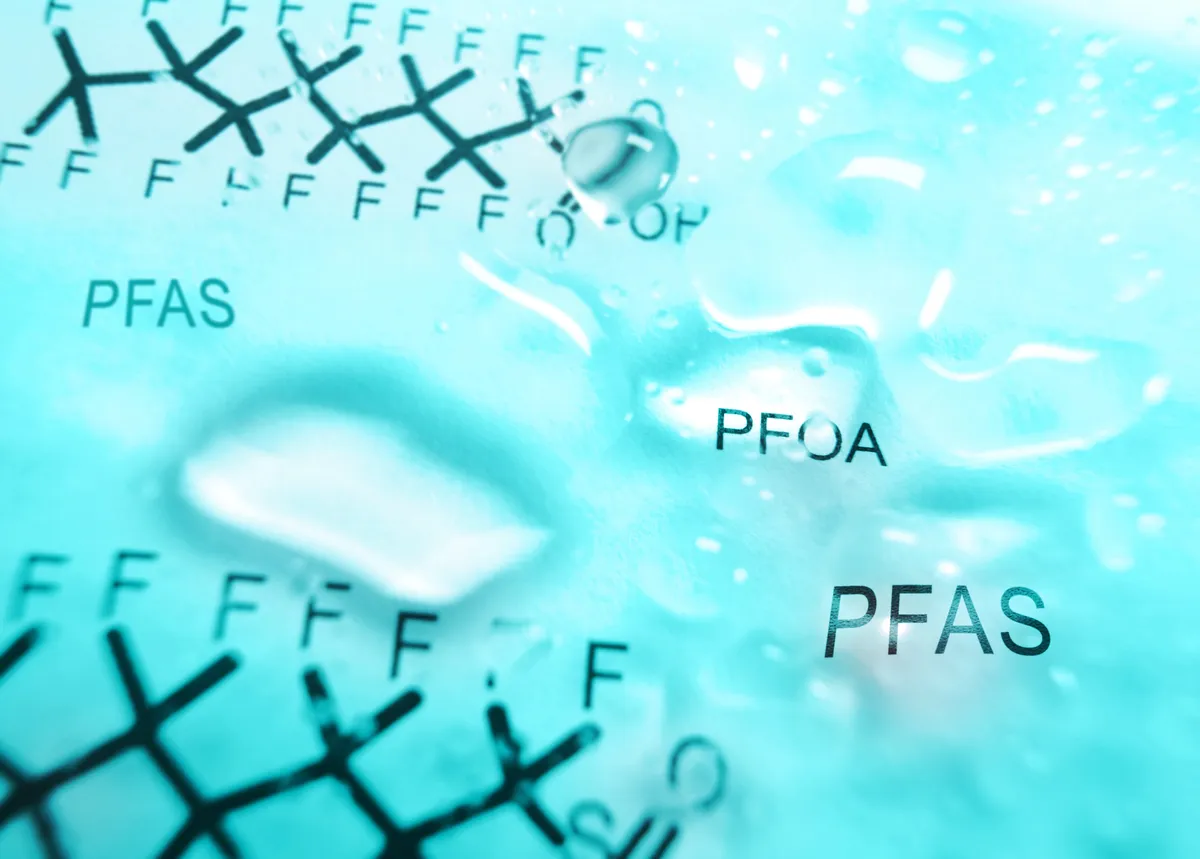
So, what are these infamous PFAS? They're a family of over 10,000 man-made chemicals that have been doing their thing since the 1940s. They're in everything from your dental floss to firefighting foam. The kicker? They barely break down. We're talking thousands of years. They've been found everywhere from the peak of Mount Everest to, unsettlingly, human blood samples across the globe.

Long-term exposure to PFAS has been linked to a delightful list of health issues: certain cancers, lower fertility, and immune system problems. Pregnant women and young children are especially vulnerable, as these effects can even be passed down to the next generation. As Sutherland puts it, these chemicals don't just stay put in products; they jump ship into our homes, our food, our water, and eventually, us.
Europe's Slow Roll
While Sweden charges ahead, the rest of the European Commission is expected to propose new laws sometime in 2027. A scientific report from March already suggested broad restrictions, and the European Chemicals Agency will weigh in on the economic impact later this year. But even after a proposal, it's a multi-year slog for EU-wide rules to actually take effect.
EU-wide rules for PFAS in drinking water did start in January 2026, but some critics pointed out that this is like patching a leaky roof with a bucket instead of fixing the hole. Roughly 12.5 million people in Europe currently live with PFAS-contaminated drinking water. Sutherland believes the solutions are available, but the political will has been… let's just say, developing.

So, France, Denmark, and now Sweden have decided to stop waiting for the bureaucratic wheels to turn. They're taking matters into their own hands, proving that sometimes, you just have to clean up your own house.