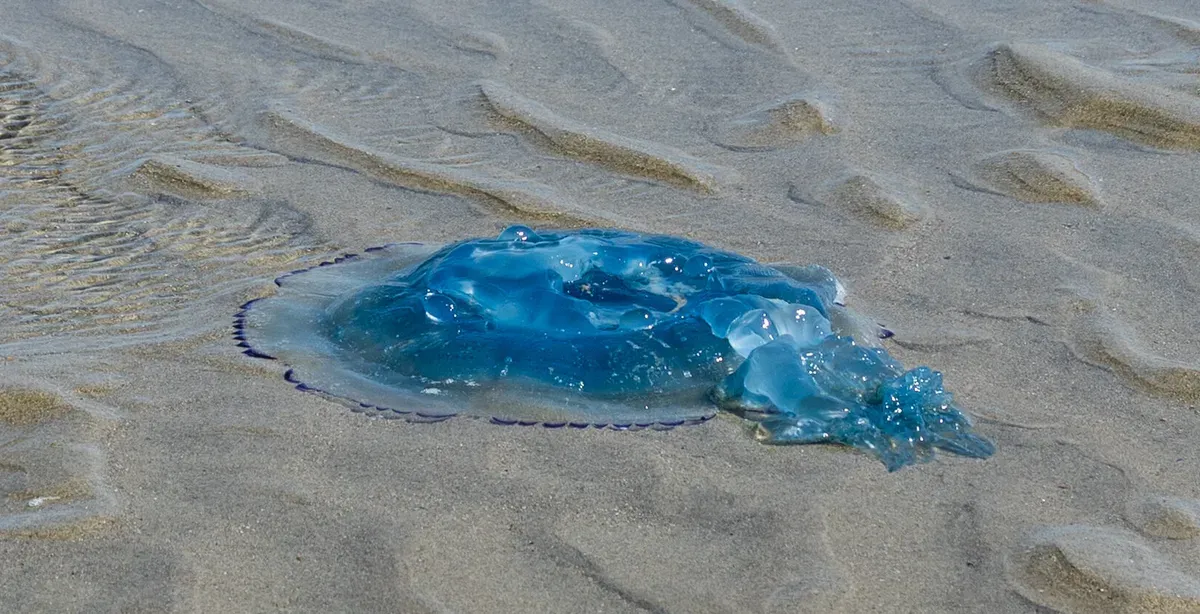
Three reactors at France's Gravelines nuclear power plant had to shut down because of a huge swarm of jellyfish. This happened late on a Monday. The plant operator, EDF, said they took these steps as a precaution.
This isn't the first time. The plant went completely offline last year due to a similar event.
How the Plant Was Affected
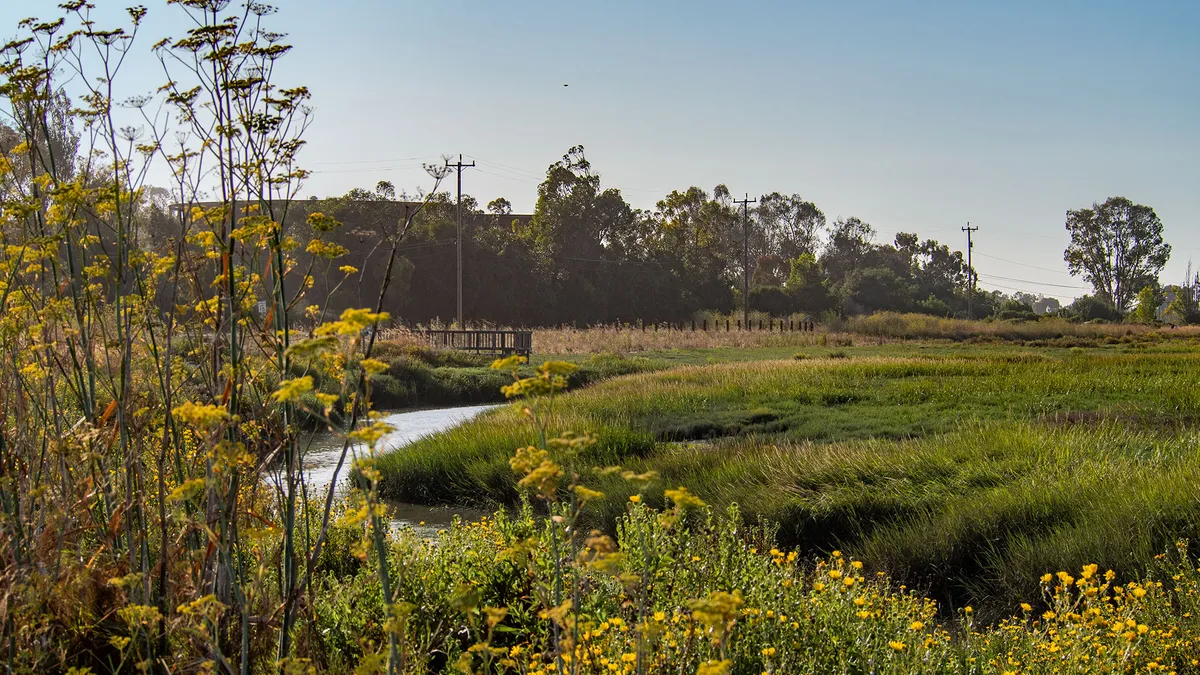
The Gravelines plant is in northern France. It's one of the country's biggest nuclear power plants. It uses water from a canal connected to the North Sea for cooling. Each of its six units can produce 900 megawatts of power.
We're a new kind of news feed.
Regular news is designed to drain you. We're a non-profit built to restore you. Every story we publish is scored for impact, progress, and hope.
Start Your News DetoxReactors 2, 3, and 4 were shut down because of the jellyfish. Reactor 1 had its power cut in half as a safety measure. Reactor 5 was already off for maintenance. Reactor 6 was the only one still running at full power.
Solutions to Prevent Future Swarms
After last year's incident, EDF put new systems in place. They wanted to stop or lessen the impact of future jellyfish swarms.
EDF installed cameras in the water intake canals and on the filter screens. These cameras help detect blockages quickly.
The company also teamed up with a French fishing group and a sea rescue organization. These groups watch for jellyfish swarms. If they spot one, they can alert fishermen to go out and reduce the swarm's size before it reaches the plant.
Fishermen were sent out on a Saturday after an early warning. This helped limit the swarm's impact. Any jellyfish that made it to the plant are being removed with vacuum trucks.
EDF expects the cleanup to finish soon, allowing the units to restart quickly. The company stated that the situation does not affect the safety of the plant, its workers, or the environment.
Why Jellyfish Swarms Are Increasing
Scientists say these kinds of events might happen more often. Several factors contribute to this. These include global warming, new species moving into the area, fewer predators, and too much fishing.
EDF is also dealing with other issues. A fifth heatwave was expected to hit France, which could reduce nuclear power output. One reactor in the north has been off for most of the summer because river levels are too low. Another reactor had limited restarts and was mostly offline for July.