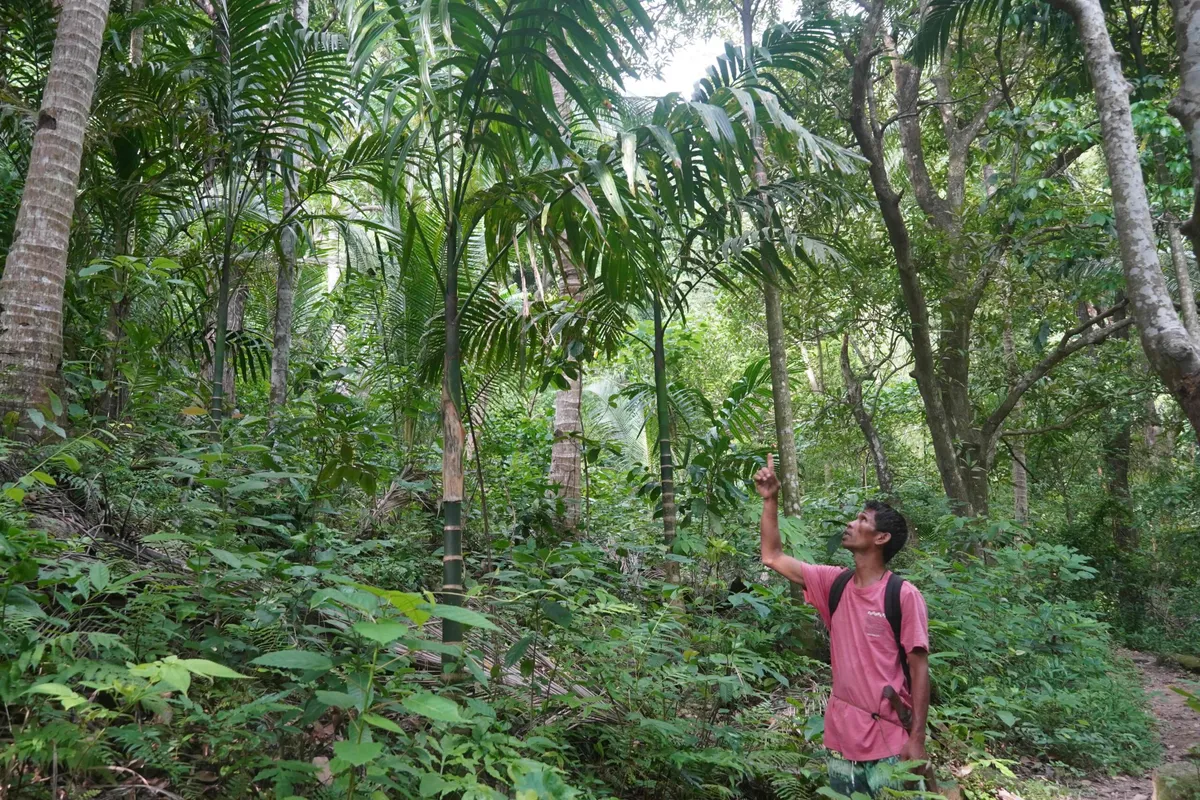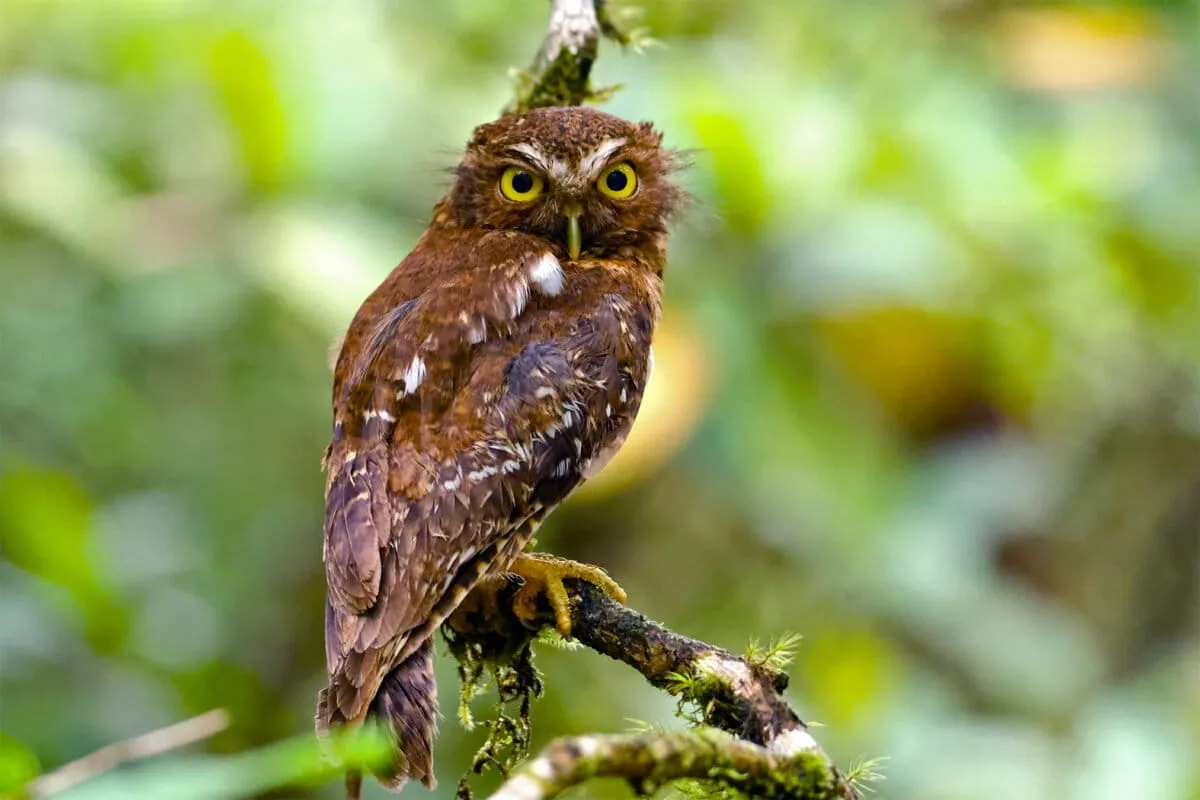
In the Philippines, 43-year-old Iraya community leader Lenito Pampilo walks through ancestral lands, not just listening to the forest, but reading it. Every bird call isn't just a sound; it's a headline, a weather report, or sometimes, a message from the great beyond. His elders taught him this intricate language, a living encyclopedia passed down through generations where trees, streams, and even ridges tell stories.
Some birds, Pampilo explains, are feathered meteorologists, predicting storms or signaling danger. Others are the forest's spiritual postmen, ferrying messages between the living and the spirit world. For the Iraya people, the entire forest is a vibrant, breathing library of knowledge, far more complex than any Dewey Decimal System could hope to categorize.

Now, here's the rub: this incredible, unwritten history is fading. As the Iraya elders, the living custodians of this knowledge, age, fewer young people are picking up the intricate nuances of bird-speak and forest lore. It's like watching an entire library slowly dissolve into thin air.
We're a new kind of news feed.
Regular news is designed to drain you. We're a non-profit built to restore you. Every story we publish is scored for impact, progress, and hope.
Start Your News DetoxEnter the Center for Conservation Innovations Philippines (CCIPH). They're not just observing; they're actively racing against time. Working hand-in-hand with Iraya knowledge holders, they're meticulously documenting everything from the specific calls of endemic birds to the medicinal properties of plants and the significance of sacred cultural sites.
It's a monumental undertaking to capture centuries of wisdom before it's gone for good. Because apparently, some of the most profound stories aren't found in books, but whispered on the wind, carried on the wings of birds, and understood by those who truly know how to listen.