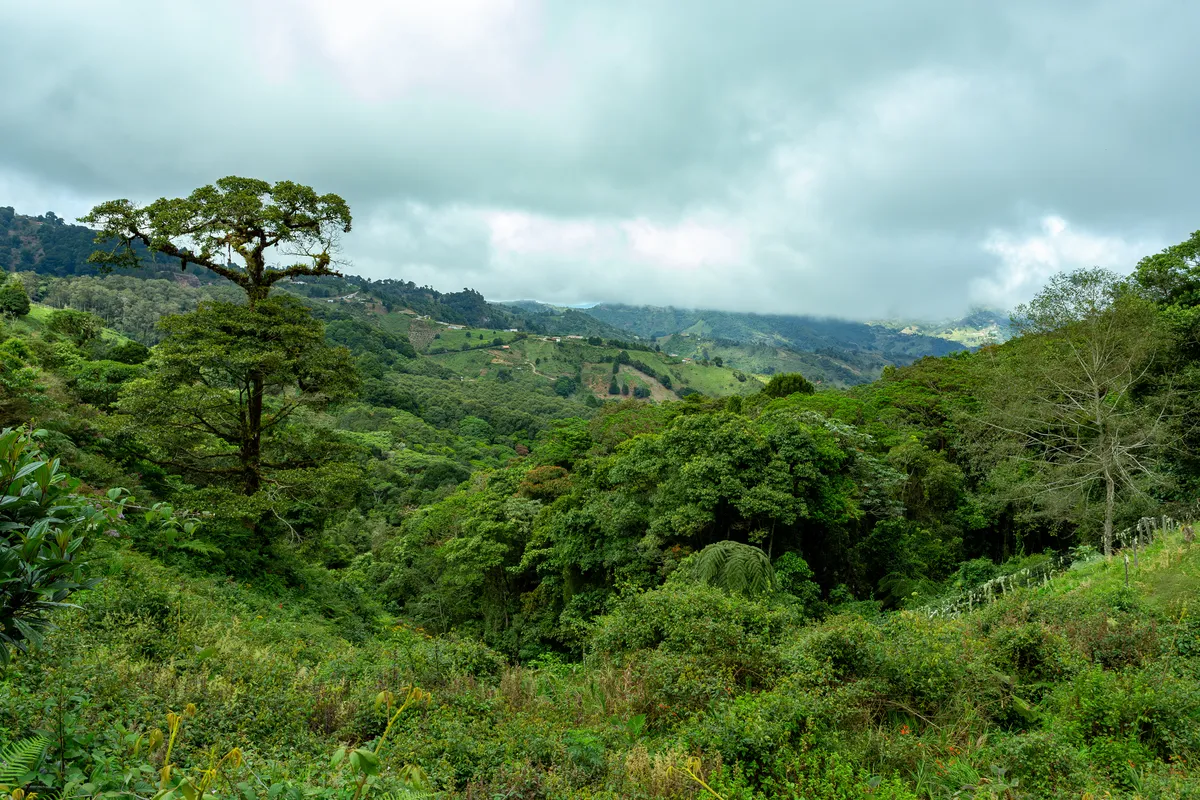
Turns out, you can clear a tropical rainforest, leave it alone for about a human generation, and it'll get 90% of its species diversity back. Not bad for a planet that's been through a lot, and certainly better than we look after 30 years.
This rather astonishing bit of news comes from new research out of Ecuador's Chocó region, an area so biodiverse it practically vibrates with life. The study, published in Nature, is a monster, combining data from over 30 research groups tracking more than 10,000 species across 62 sites. These sites ranged from actively farmed land to forests that had been left to their own devices for years. Because apparently, nature, much like a teenager, sometimes just needs to be left alone to sort itself out.
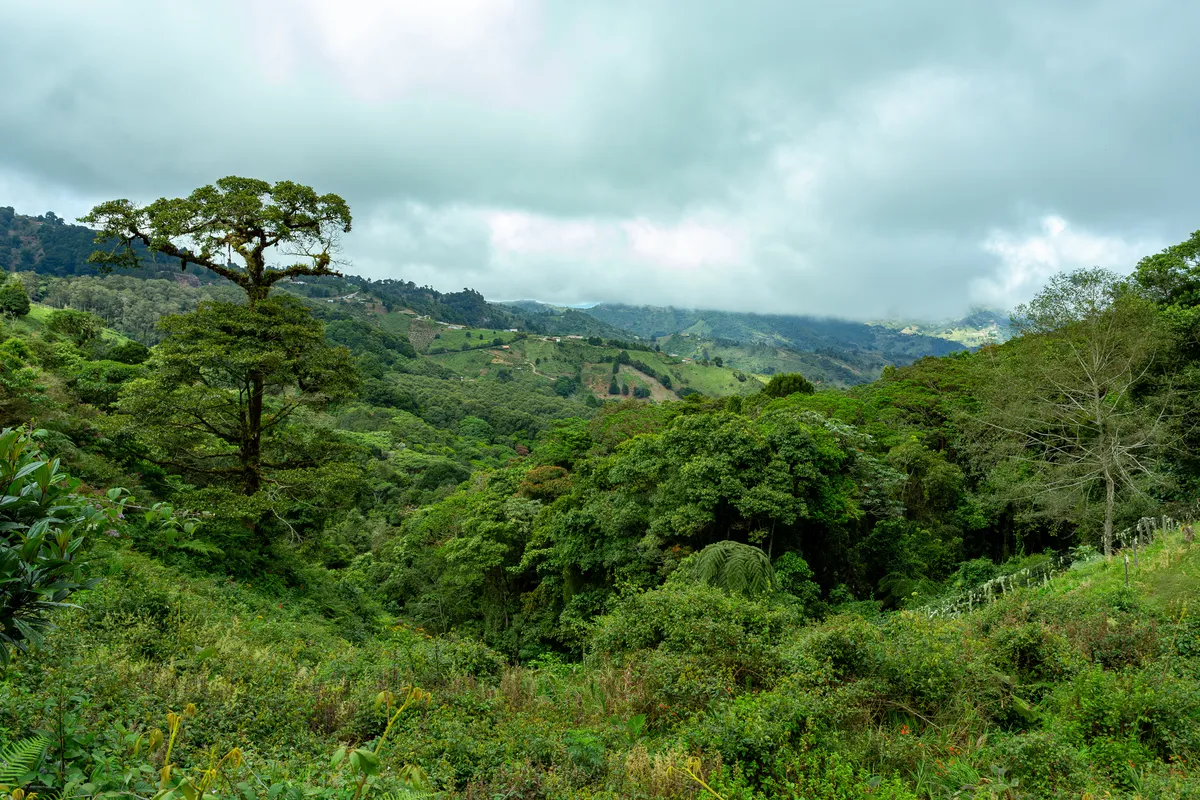
Nature, Uh, Finds a Way
Lead author Timo Metz noted that while rainforest resilience has been a theoretical concept for decades, the hard data on this scale was missing. Now we know: 75% of species composition and a whopping 90% of species diversity can return on their own within about 30 years. And get this: no active replanting or human restoration efforts required. Co-author Martin Schaefer summed it up neatly, saying these findings show how effectively nature can protect itself. Which, if you think about it, is both impressive and slightly embarrassing for us.
We're a new kind of news feed.
Regular news is designed to drain you. We're a non-profit built to restore you. Every story we publish is scored for impact, progress, and hope.
Start Your News DetoxOf course, 30 years is an average. Birds and bats, ever the early adopters, show up as soon as the vegetation gets thick enough. But the real introverts of the ecosystem — soil bacteria, specialized insects, and those grand, canopy-forming trees — take a bit longer. Sometimes decades. They're on rainforest time, not human time.
The Real MVPs: Animals
Here’s the plot twist: animals aren't just along for the ride. They're the ones driving the recovery. Co-author Nico Blüthgen explained that bats, monkeys, other mammals, and birds are essentially the postal service for tree seeds, carrying them into cleared areas. Then, the unsung heroes of the forest, dung beetles, bury these seeds. Hundreds of other species handle pollination. It’s a whole ecosystem effort, with mobile species arriving early to set the stage for the next wave of life. Without them, forests would only re-seed from their edges, which is about as fast as dial-up internet.

Not all cleared land is created equal, though. Former cocoa farms, where some trees were intentionally left standing, recover faster. Those lingering trees provide instant habitat and shade, like a good landlord. Abandoned pasture, on the other hand, is a tougher nut to crack. Dense grasses muscle out seedlings, slowing down new growth for years. Because apparently, even plants have turf wars.
Old-Growth: Still the OG
Now, before you go thinking we can just hack down all the old-growth forests and let nature work its magic, hold your horses. These ancient forests are still absolutely essential. They’re the seed banks, the animal nurseries, and the microbial labs that regenerating forests need to get started. Cut down the nearby primary forests, and this whole recovery process slows to a crawl or stops entirely. You can't just keep breaking the source code.
Schaefer's final thought is a mic drop: by protecting land, we preserve biodiversity. And that, he says, protects the very foundations of our societies: soil, water, and the pollination of the plants that feed us. It's a policy argument backed by extensive field data from 10,000 species. Let that satisfying number sink in.