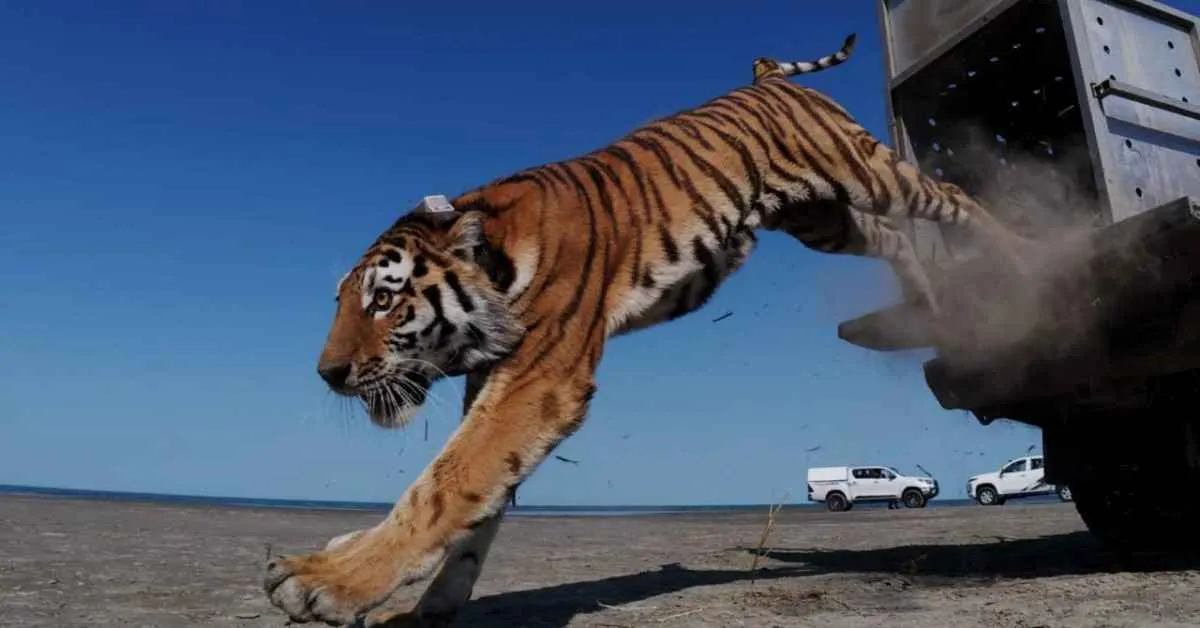
India's tigers are having a moment. A big one. Their population has more than doubled since 1972, leaping from 1,827 to a rather robust 3,682 in 2022. That's a lot of stripes, and a major win for conservationists. But, as with all good news, there's a catch: where are all these magnificent beasts supposed to go?
Turns out, about 35% of these tigers are now living the freelance life, outside designated protected areas. Which means they're increasingly bumping into us. And our roads. And our rail lines. Which, for a creature that needs up to 77 square miles just to stretch its legs, presents a bit of a logistical nightmare.

The World's Best Commute
The solution? Ecological corridors. Basically, safe, designated pathways connecting different tiger habitats. Think of them as tiger superhighways, allowing young, ambitious tigers to leave mom's territory and find their own digs without becoming roadkill or getting stuck in an isolated gene pool (which, for a tiger, is apparently a very bad thing leading to inbreeding and local extinction).
We're a new kind of news feed.
Regular news is designed to drain you. We're a non-profit built to restore you. Every story we publish is scored for impact, progress, and hope.
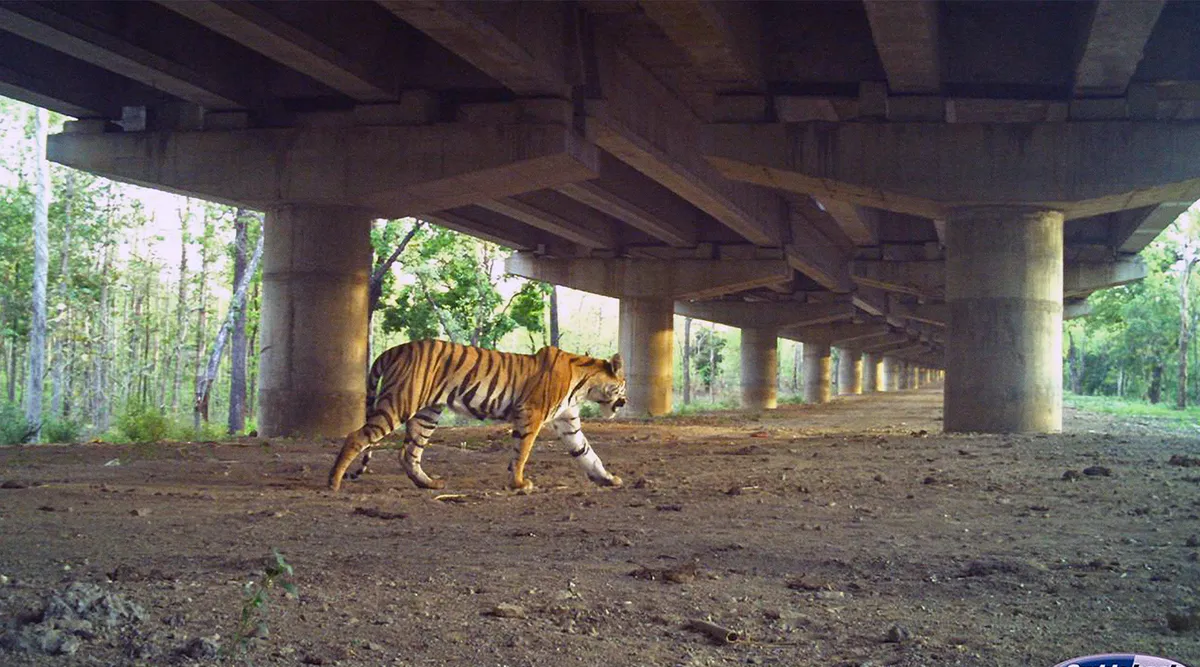
Start Your News DetoxAnd India is taking this seriously. According to Bilal Habib, a scientist at the Wildlife Institute of India, the country has built more wildlife underpasses and overpasses than any other nation in Asia. In fact, since 2017, India has constructed the 10 largest wildlife structures in the world.
Take the impressive 7.5-mile underpass that snakes beneath a new expressway connecting New Delhi to Dehradun. That's a serious infrastructure project dedicated to keeping tigers, and presumably other wildlife, out of harm's way. Habib points out that no other developing country has poured this much cash into making sure its wild residents can commute safely. Because apparently, that's where we are now: building lavish, multi-mile tunnels for big cats. And frankly, it's pretty great.