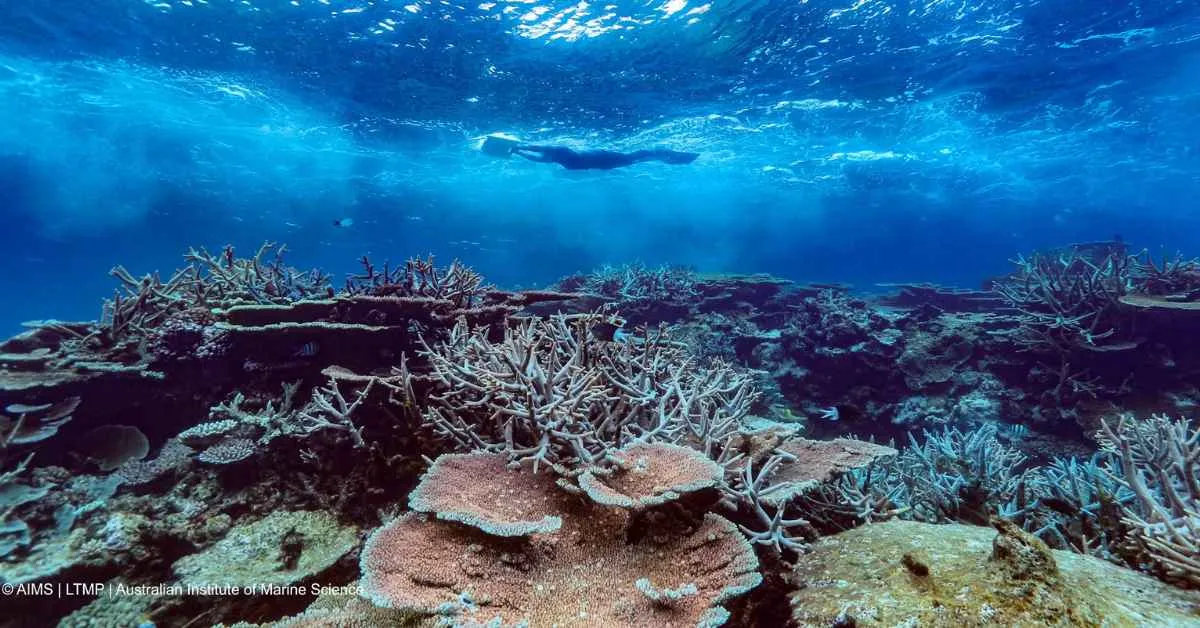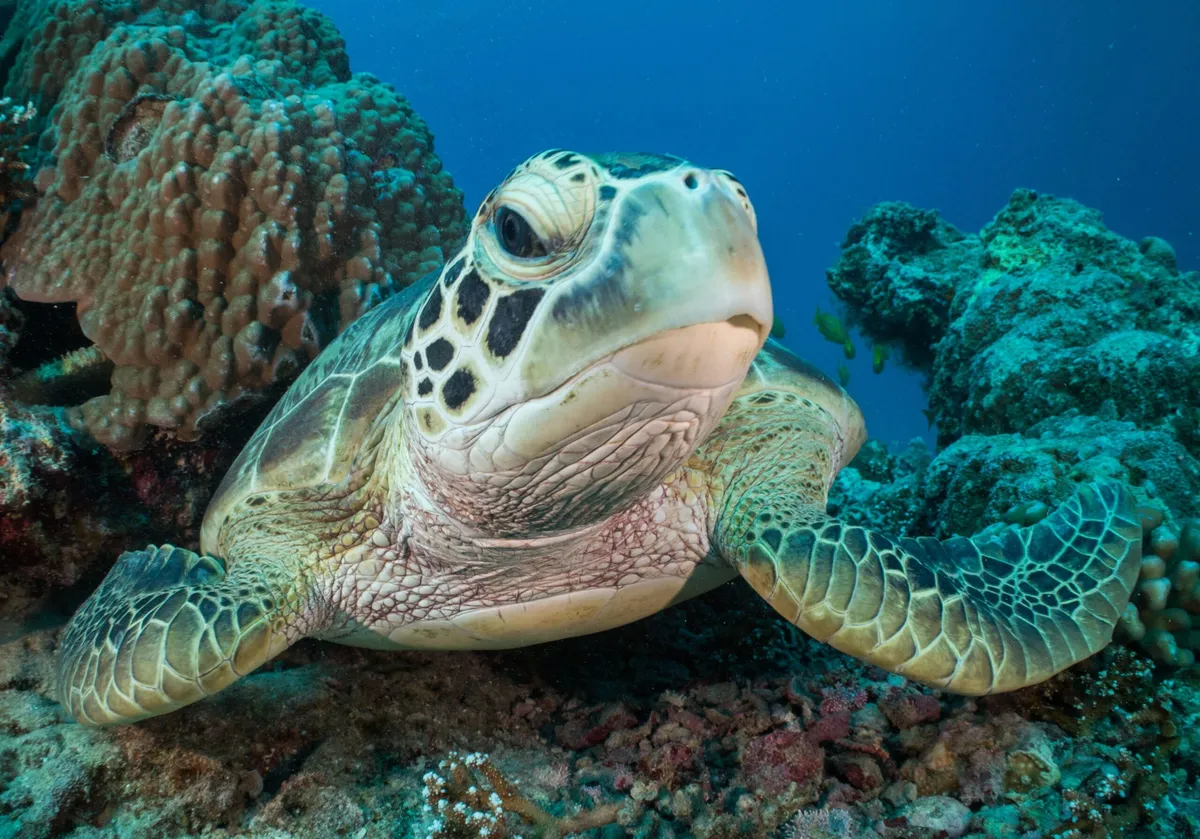
Imagine calling a place your "Sea Country" and then actually getting to manage it. That's precisely what's happening on the Great Barrier Reef, where 18 Traditional Owner groups are stepping up to protect what they've known for millennia.
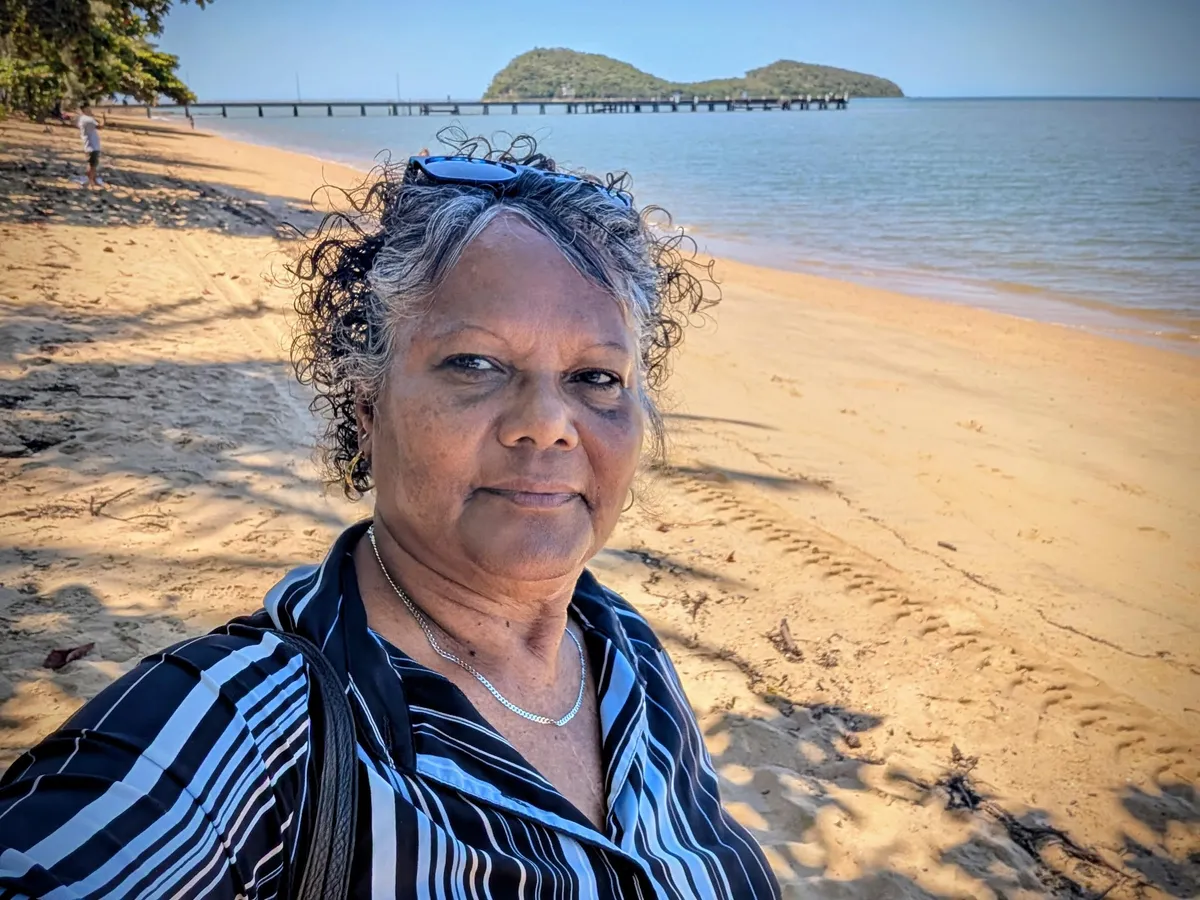
Mercy Singleton, a Yirrganydji woman working with the Dawul Wuru Aboriginal Corporation, describes the Reef as a "beautiful underwater garden." And who better to tend a garden than those who've always lived by its rhythms? These groups are implementing something called Traditional Use of Marine Resources Agreements (TUMRAs) — essentially, custom-made conservation plans that blend ancient wisdom with modern management.

It's a refreshing shift in how we approach conservation, especially in a World Heritage Site. For too long, Indigenous voices were sidelined. Now, they're taking the lead, and the results are, well, pretty undeniable.
We're a new kind of news feed.
Regular news is designed to drain you. We're a non-profit built to restore you. Every story we publish is scored for impact, progress, and hope.
Start Your News DetoxAncient Wisdom, Modern Impact
Both Indigenous governance groups and the scientists who used to do most of the talking agree: this approach is working. The World Heritage Committee recently gave a nod to these efforts, which, if you think about it, is a pretty big deal. It's not just symbolic; it’s a recognition of tangible progress.
Allan Dale, a professor at James Cook University, has watched Reef management evolve over the last three decades. He notes a significant uptick in the capacity of Traditional Owner groups to actually achieve their goals. We're talking more protected land and sea, more rangers on the ground, and a growing cohort of Indigenous leaders and planners shaping the Reef's future.
It turns out, the folks who've lived alongside the Reef for countless generations might just have a few pointers on how to keep it thriving. And the rest of us are finally smart enough to listen.