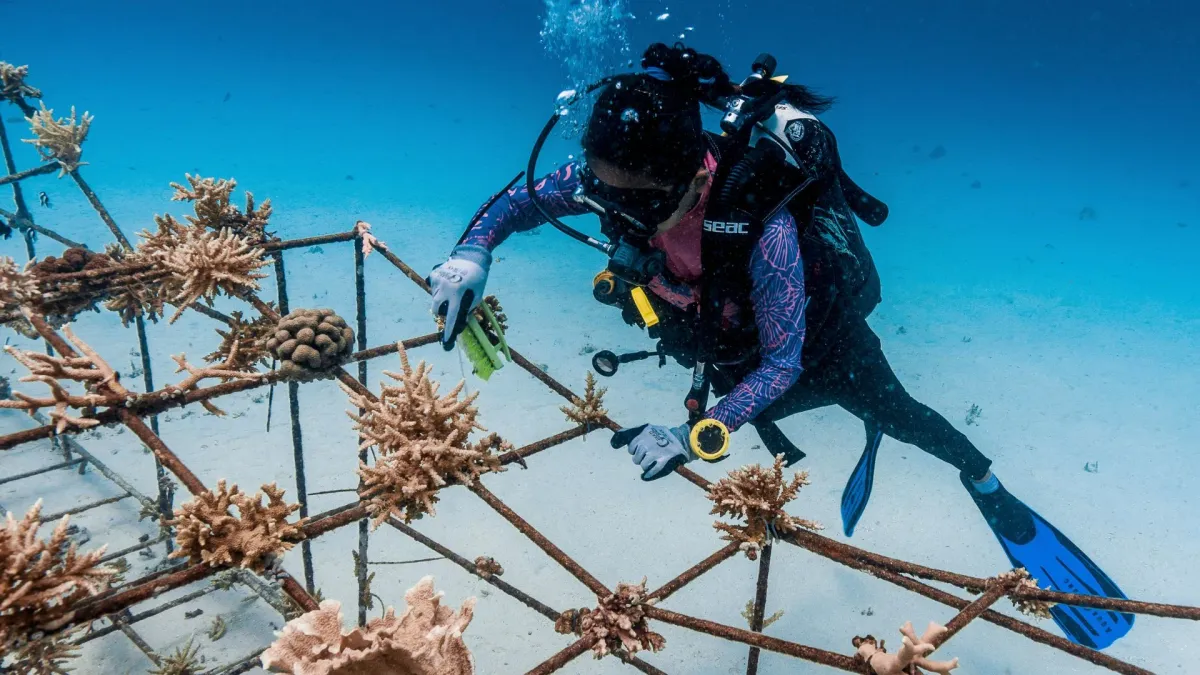
When Gabriela Nathania H was 21, she dove underwater with four strangers off Gili Air, Indonesia. This tiny island is part of the Gili Islands, known for their amazing marine life.
Nathania's 2022 trip was more than just a beautiful dive. She recalls, "We were girls from all over Indonesia with different backgrounds, but on the dive, we adjusted to each other, helped each other, became a family." Avicenna Wijayanto, 22, also on that dive, said it made "conservation work feel much more real and achievable."
These women were part of the second group in Indonesia's first marine conservation training program for women. The nonprofit Coral Catch developed it.
We're a new kind of news feed.
Regular news is designed to drain you. We're a non-profit built to restore you. Every story we publish is scored for impact, progress, and hope.
Start Your News DetoxRose Huizenga, Coral Catch's founder, explained that many Indonesian women near the ocean never had chances to swim, dive, or work in marine science. She also noted that reef restoration often lacks long-term local care. Huizenga started Coral Catch in Gili Air to help women gain diving, conservation, and leadership skills. They actively restore coral and protect the ocean.
Building a Local Conservation Workforce
Coral reefs are delicate and need constant care. Restoration structures and coral nurseries need upkeep. Data must be collected year after year. However, many coral restoration projects don't get this sustained attention. They often rely on foreign experts, short-term grants, or volunteers, which means they don't last long. A study of coral restoration worldwide found that 60% of projects were monitored for less than 18 months.
 Courtesy of Coral Catch
Huizenga, a Dutch woman who came to Gili Air and stayed, wanted to solve this problem. She asked how to keep the work going after funding ends or experts leave. Coral Catch saw marine restoration in Indonesia not just as a conservation issue, but as a workforce challenge.
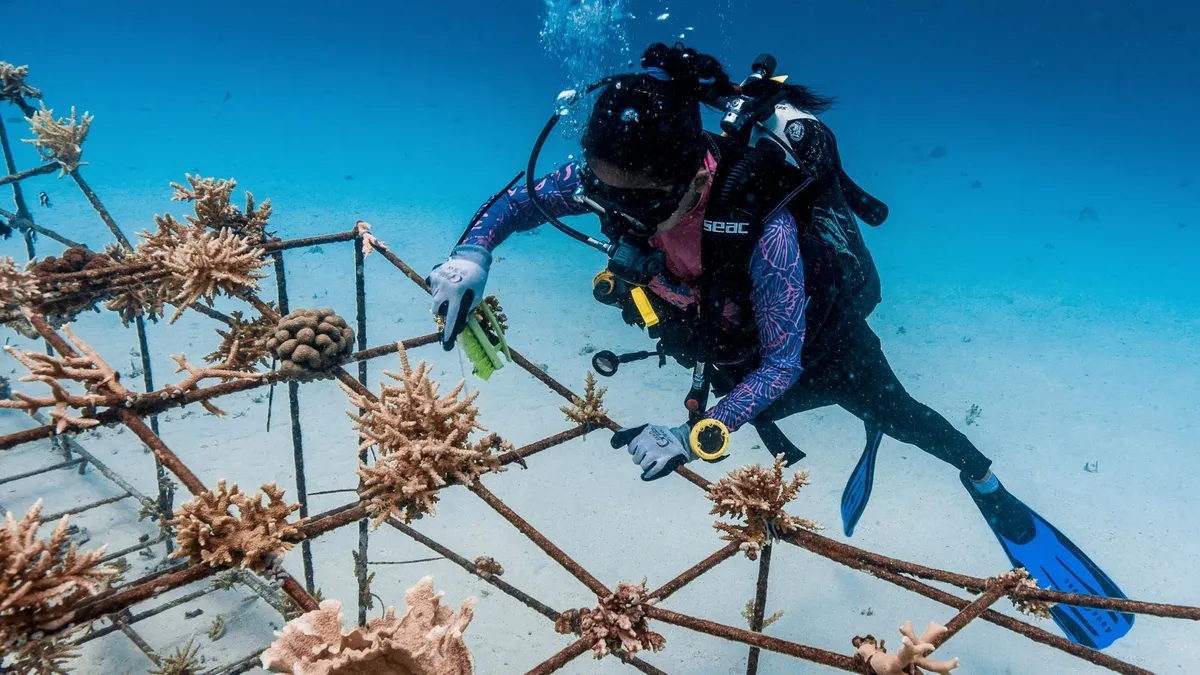
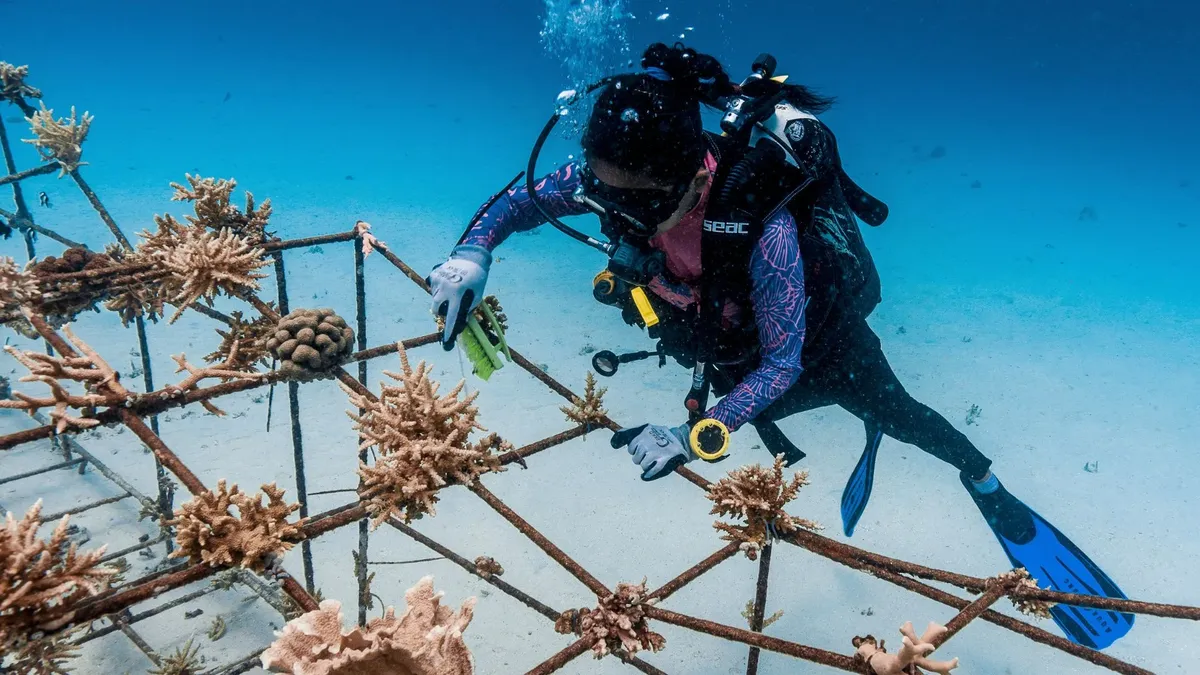
In 2021, Coral Catch launched a nine-week scholarship program. It teaches local women interested in conservation careers how to build reef structures, monitor progress, organize beach clean-ups, and inspire children about conservation. Nathania said, "It was a lot of learning. But at the end, everyone in my cohort chose to pursue a career or degree in conservation or diving."
Huizenga believes creating this new conservation workforce is as vital as saving the reefs. She noted that job options for women in many small island areas can be limited. Building pathways into marine conservation creates economic opportunities for women. It also strengthens community ownership of marine ecosystems.
Overcoming Challenges and Expanding Impact
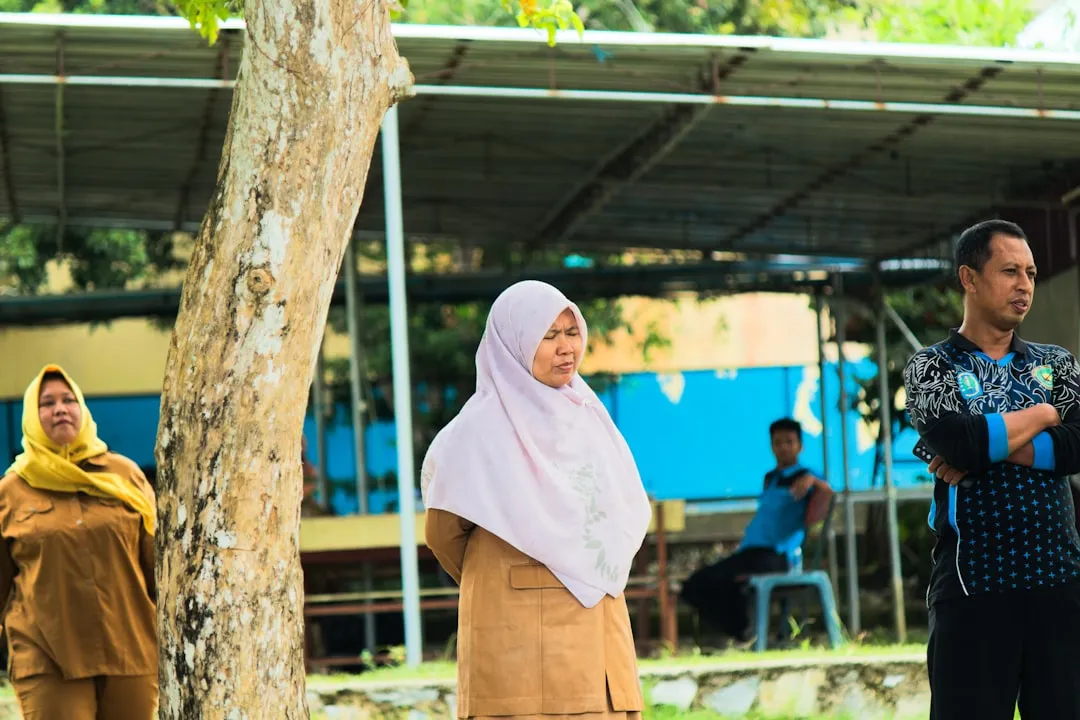
Initially, Huizenga's idea faced doubts. Indonesia is mostly Muslim, and some wondered if enough women would want to dive or if their families would allow it. Yet, over 150 women applied for the first group. Coral Catch chose eight young women and hired a local female marine scientist to train them.
 Courtesy of Coral Catch
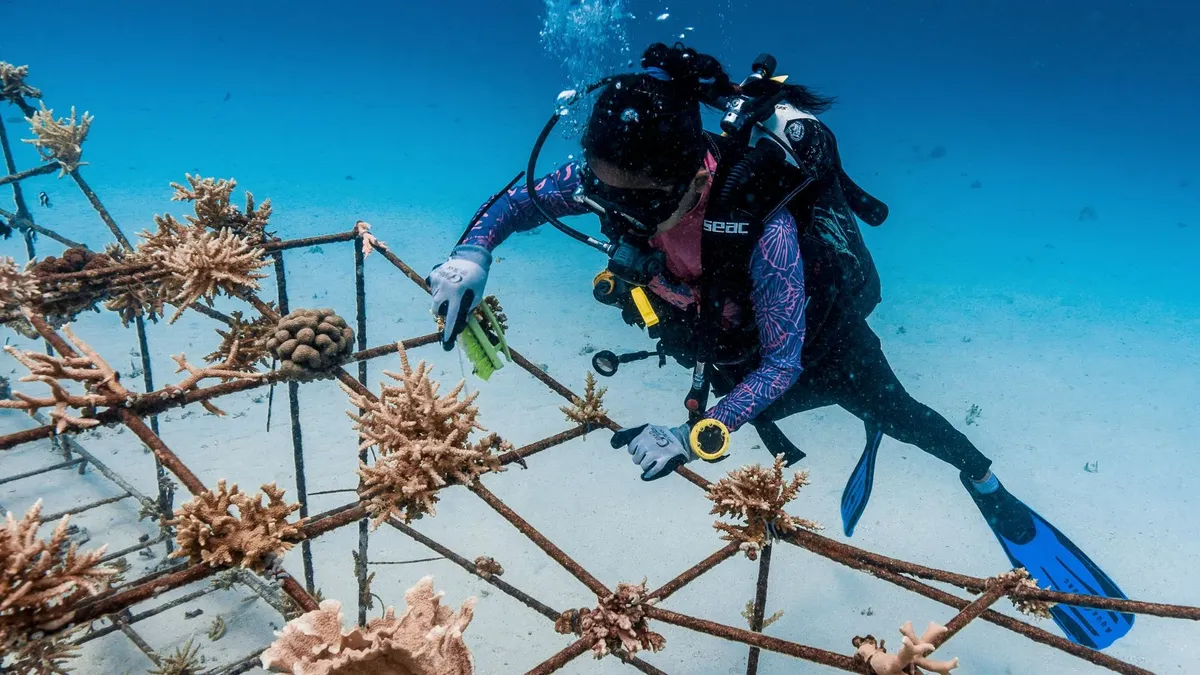
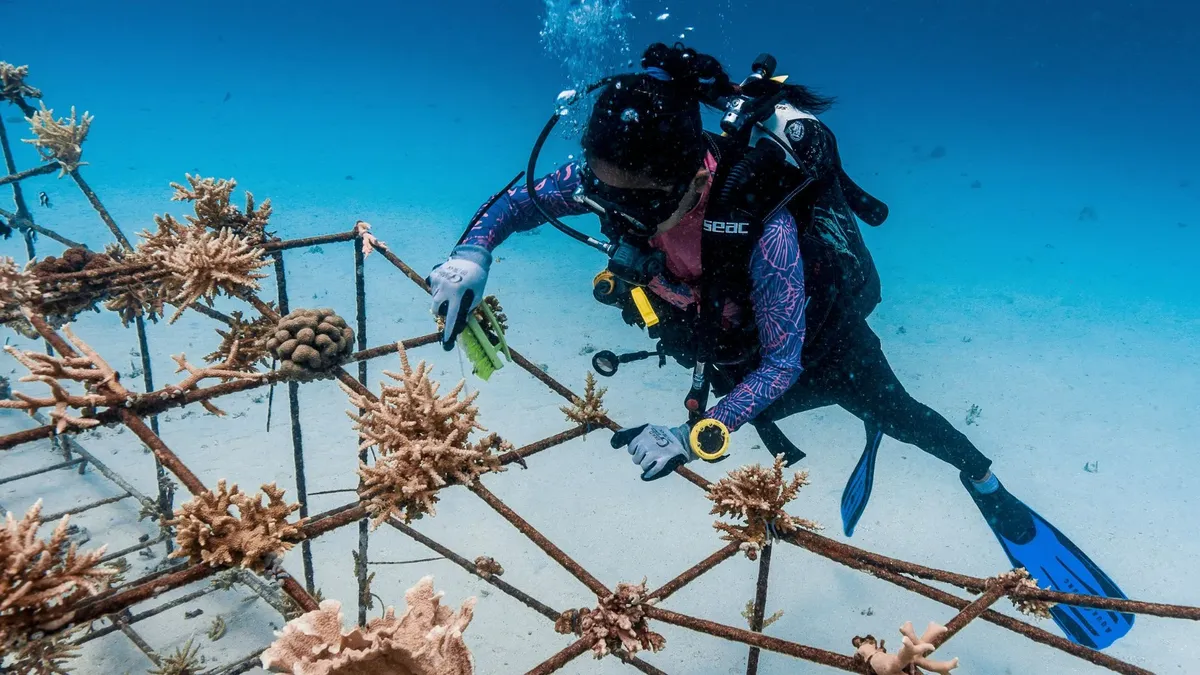
The second group, including Nathania and Wijayannto, built artificial reefs. Nathania explained, "This kind of work was considered hard, and people thought it could only be done by men." She added, "But during the program, we realized, and also showed the world, that this is something women also can do... maybe not exactly how men would do it, but differently. It was exhilarating."
The training has helped many participants get better jobs in conservation. For example, Britania Hasilohan had studied marine science but lacked diving skills. After the program, she joined shark monitoring and reef research. Now, she helps lead shark population surveys in the Gili Matra Marine Reserve. She collects data and coordinates citizen science efforts with local dive operators.
Wijayanto is now Coral Catch's project and partnerships manager. She oversees reef restoration and research and mentors younger participants. In 2025, she trained other women in restoration techniques after attending a national program. Another alumna, Ivonne Herlina Tani, became a research coordinator. Coral Catch calls this long-term support network its "sisterhood." This alumni community connects women to jobs, mentoring, and training after graduation.
 Courtesy of Coral Catch
Huizenga said, "We’re building confidence, self-belief and a sense of belonging in marine spaces that has proven to be a critical first step before technical capacities develop." She noted that technical skills develop faster once women feel they belong. Coral Catch has trained 44 women from all over Indonesia across 12 groups. Its report shows that every graduate stays active in conservation work, education, or research. This is a very high retention rate for a field that often struggles with long-term careers.
Women's groups across Southeast Asia have been key in mangrove restoration and marine protection. In Indonesia, Wetlands International has trained women to plant mangroves. Kenya's Green Belt Movement links environmental restoration to women's economic power. Conservation scientist Susan Tsang found that woman-to-woman mentorship in Indonesia offers technical skills, contacts, leadership, and emotional support. Women in these networks are more likely to train others, build local conservation groups, and foster community trust.
 Courtesy of Coral Catch
Siti NurTahirah Jaafar, a coral restoration researcher, has trained Coral Catch mentees for seven years. She feels the sisterhood among alumni is strong. She stresses the importance of trained local marine conservationists, especially in remote islands. Jaafar explained that transplanted reefs need careful monitoring for at least five years, which requires local professionals.
Since 2021, Coral Catch has installed over 300 restoration structures. Mentees have planted over 5,000 coral fragments, restoring about 850 square meters of reef in the Gili Matra Marine Reserve. It's early to see broad effects because corals grow slowly, and artificial reefs are fragile. Storms and rising temperatures often damage them. Still, there's progress. In 2025, Coral Catch researchers recorded coral spawning from seven species, a first for the Gili Islands. They also added data to a national coral-spawning database.
 Courtesy of Coral Catch
The project has challenges. Mentorship and long-term support need time and money. Marine restoration and maintaining the sisterhood also require ongoing investment. In early 2026, Coral Catch launched an academy to support graduates throughout their careers. A mobile version of its education program is also being developed for women in remote coastal areas.
A 2025 study found that while planting corals helps specific sites, these efforts alone cannot save the world's reefs. The authors argue that restoration should support, not replace, larger efforts to reduce climate change. This highlights the importance of projects like Coral Catch, which train local communities to protect reefs.
Community support has grown significantly. Jaafar hopes to replicate the project in Malaysia if she gets funding. She plans to train a smaller group of women and offer more lab experience.
Coral Catch alumna Hasilohan wants to become a scientific diver and lead shark-monitoring projects. She feels the greatest reward is belonging to a community of women working for the ocean. Nathania, now studying conservation science, hopes to return to Gili Air. She laughs, "One colony of hex domes in the artificial reef we helped build is even named after me. I want to see how my baby corals are doing."