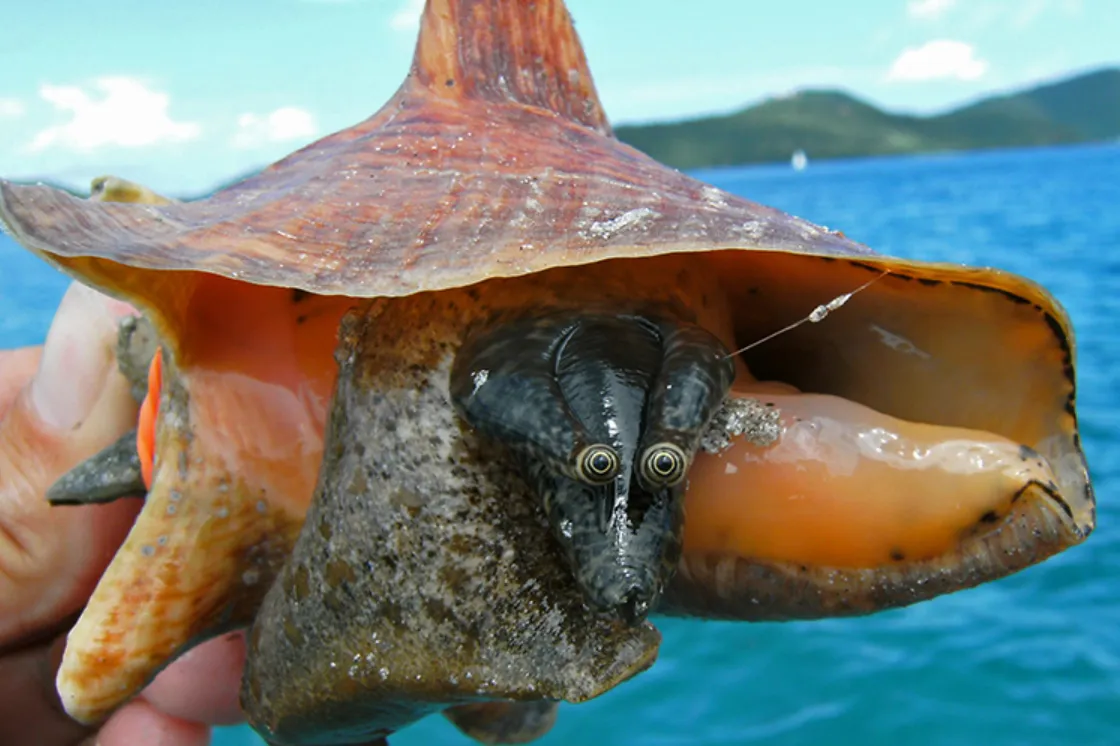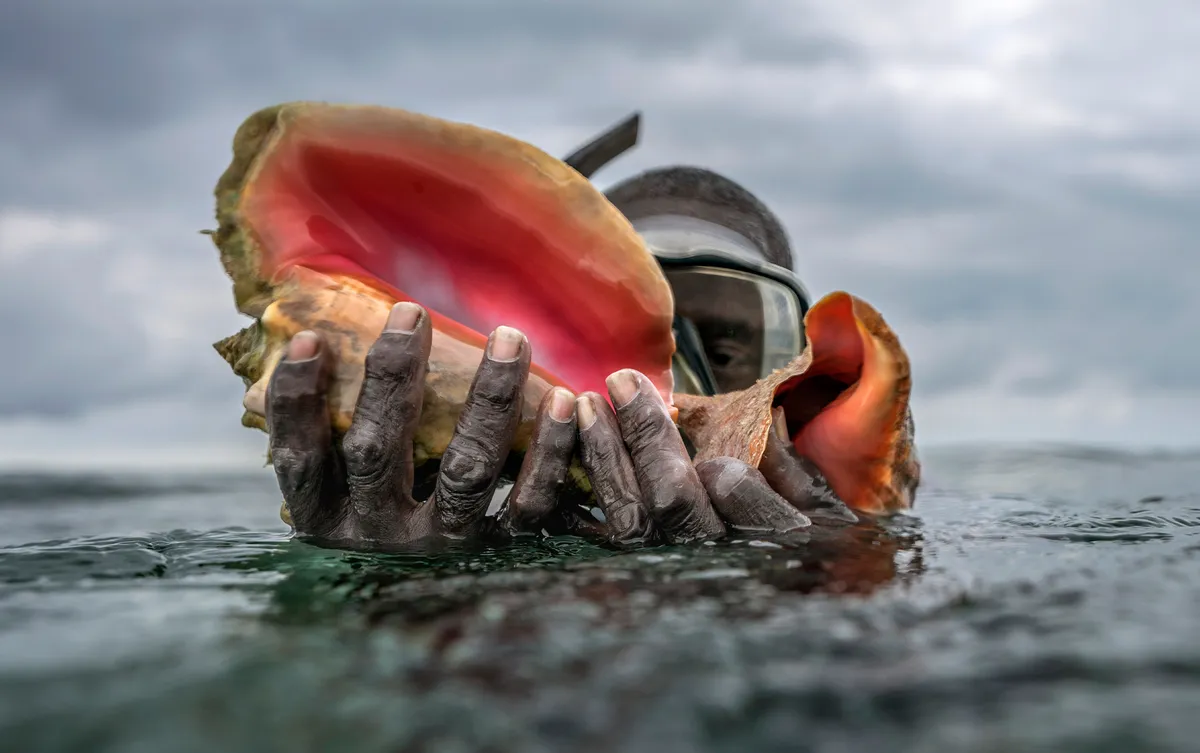
Once upon a time, finding a queen conch in the Caribbean was as easy as wading into the shallows. They were everywhere, these magnificent marine snails, a staple of local diets and a source of stunning shells. Fast forward to today, and their populations are giving us serious pause, with some areas seeing them vanish entirely.
Turns out, a combination of our insatiable appetite for conch meat, a love for their pearly shells, and the general wear and tear we've inflicted on their ocean homes (hello, pollution and warming waters) has left them in a rather precarious spot. They're basically the sea's version of a celebrity who just wanted a quiet life but got mobbed.

A Tiny Hope, On Wheels
Enter the solar-powered mobile hatchery. Yes, you read that right. Scientists, ever the optimists, are now deploying these ingenious, sun-fueled nurseries to give baby conch a fighting chance. Because, much like a teenager, the young conch are at their most vulnerable stage, and a little extra protection goes a long way. The grand plan? Help more of them grow up, fall in love, and make more conch.
We're a new kind of news feed.
Regular news is designed to drain you. We're a non-profit built to restore you. Every story we publish is scored for impact, progress, and hope.
Start Your News DetoxThe folks at the Queen Conch Lab (QCL) at Florida Atlantic University (FAU) are spearheading this effort, partnering with local communities to set up these pop-up conch safe houses. Megan Davis, the QCL director, points out that these aren't just sterile science experiments. They're also impromptu classrooms, inviting students and curious visitors to get hands-on with marine conservation. Because nothing says "community engagement" like helping a baby mollusk find its way in the world.
Queen conch (Aliger gigas) have had a rough go of it for a while. They landed on the CITES Appendix II list in '92, which put some international limits on their trade. Caribbean nations have tried their hand at fishing bans and limits. And just this year, the U.S. officially declared them a threatened species. Despite all that, fewer of these majestic snails are making it to adulthood than ever before. So, a mobile, solar-powered nursery might just be the quirky, brilliant solution they need.