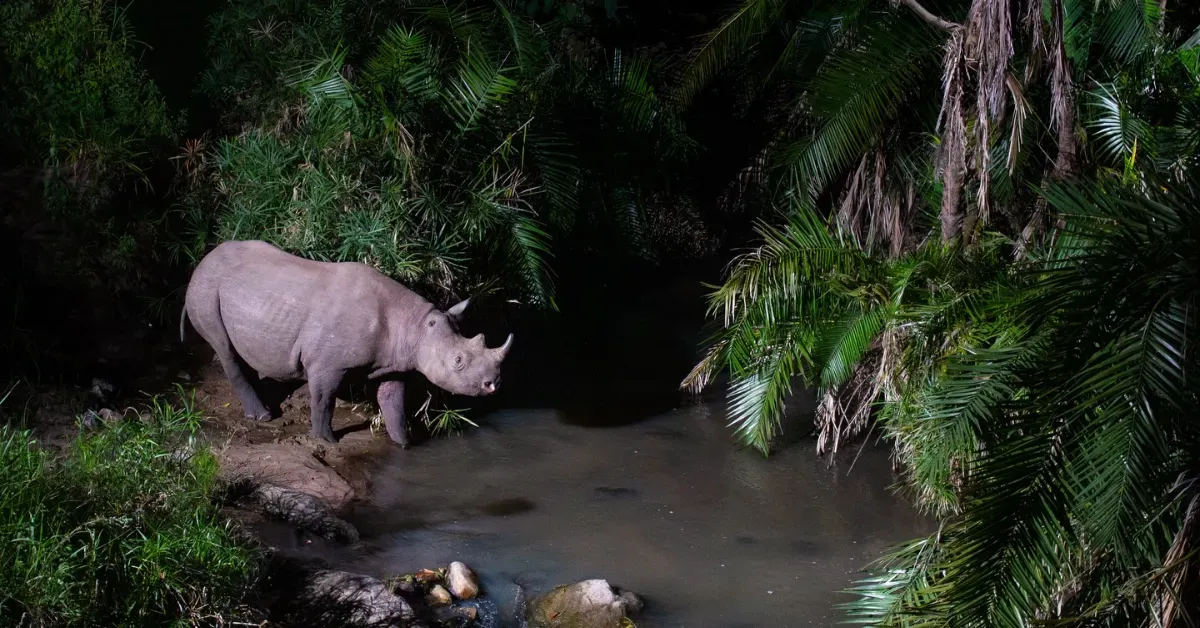
Wildlife photographer Will Burrard-Lucas went to Kenya's Maasai Mara National Reserve. His goal was to photograph and monitor the black rhino population, which is endangered.
Discovering a Hidden Wildlife Path
Burrard-Lucas set up a camera trap for several months. He placed it at a remote river crossing deep in the reserve's forests. He saw this as a unique chance to document a hidden part of the Mara.
The Maasai Mara rhino unit guided Burrard-Lucas to a dense forest area. A small river ran through it, creating a secluded valley. Rhinos often used this spot to drink and socialize. Rangers told him rhinos were hard to track there because of the thick plants. A camera trap could help them monitor the animals more reliably.
We're a new kind of news feed.
Regular news is designed to drain you. We're a non-profit built to restore you. Every story we publish is scored for impact, progress, and hope.
Start Your News DetoxBurrard-Lucas placed his camera on an elevated riverbank. It was high above the crossing. This allowed him to capture animals interacting with their environment. The camera had motion sensors and flashes for night shots. He noticed the trail was "deeply worn," meaning many animals used it regularly.
Uncovering Rhino Movements and More
Rangers checked the camera every few weeks. They swapped batteries and memory cards. Soon, they began to see the river crossing's activity.
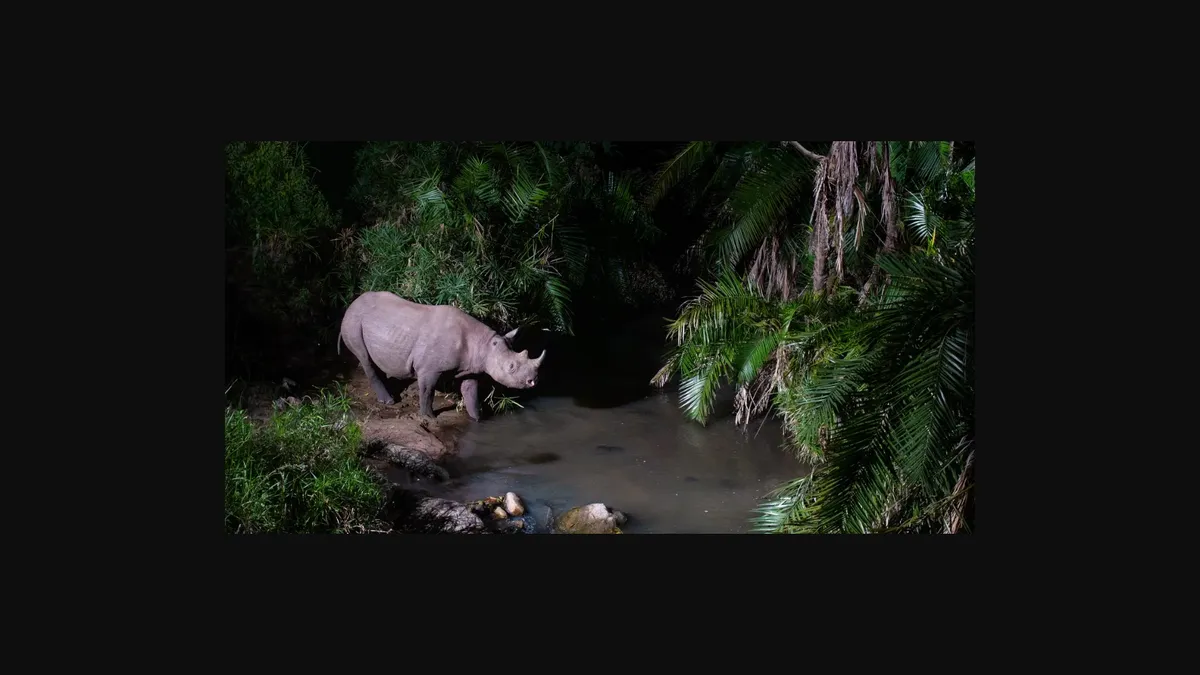
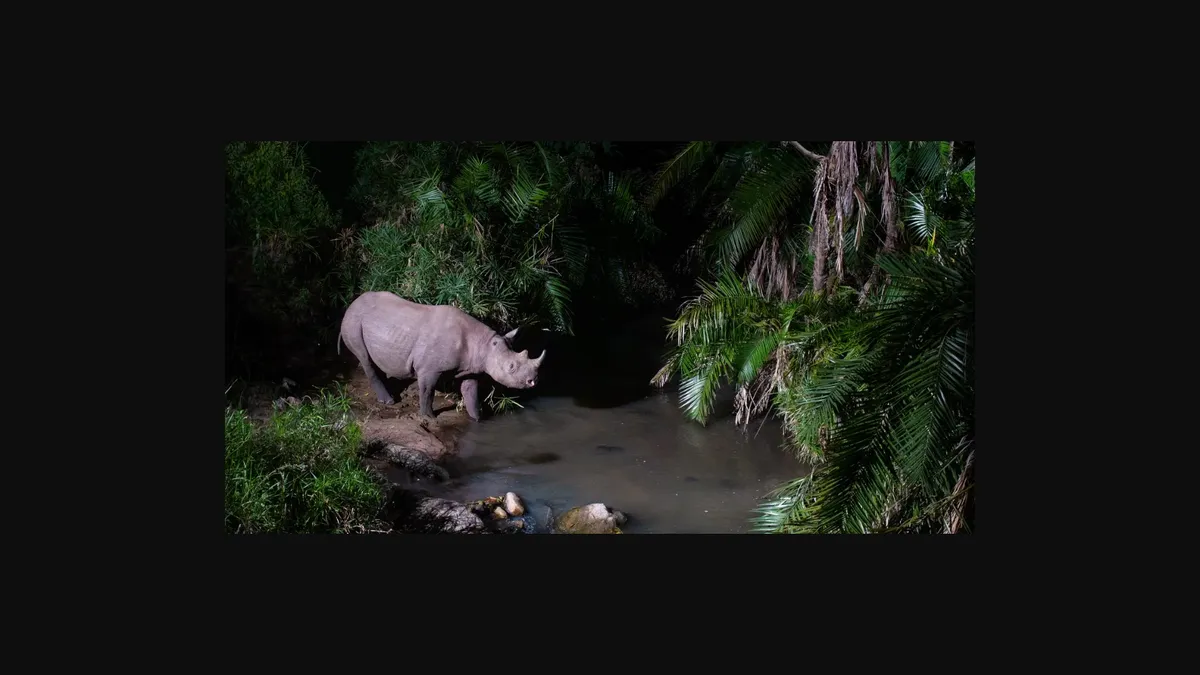
The crossing was more active than expected. The camera showed it was a busy corridor for many rhinos moving between feeding areas. Several rhinos had not been seen by rangers for months. One had not been documented since 2023. The photos helped confirm these rhinos were still present. This gave the team more confidence in their population estimates.
The camera also captured other animals. Elephant herds passed through. A leopard appeared briefly. Hippos emerged from the river. Bushbuck and giraffe cautiously approached the water. The crossing offered a look into the hidden life of the Mara.
One day, the camera even photographed a greater kudu. This was the first recorded sighting of this animal in many years.
The Power of Camera Traps for Conservation
This project showed the power of monitoring systems like camera traps.
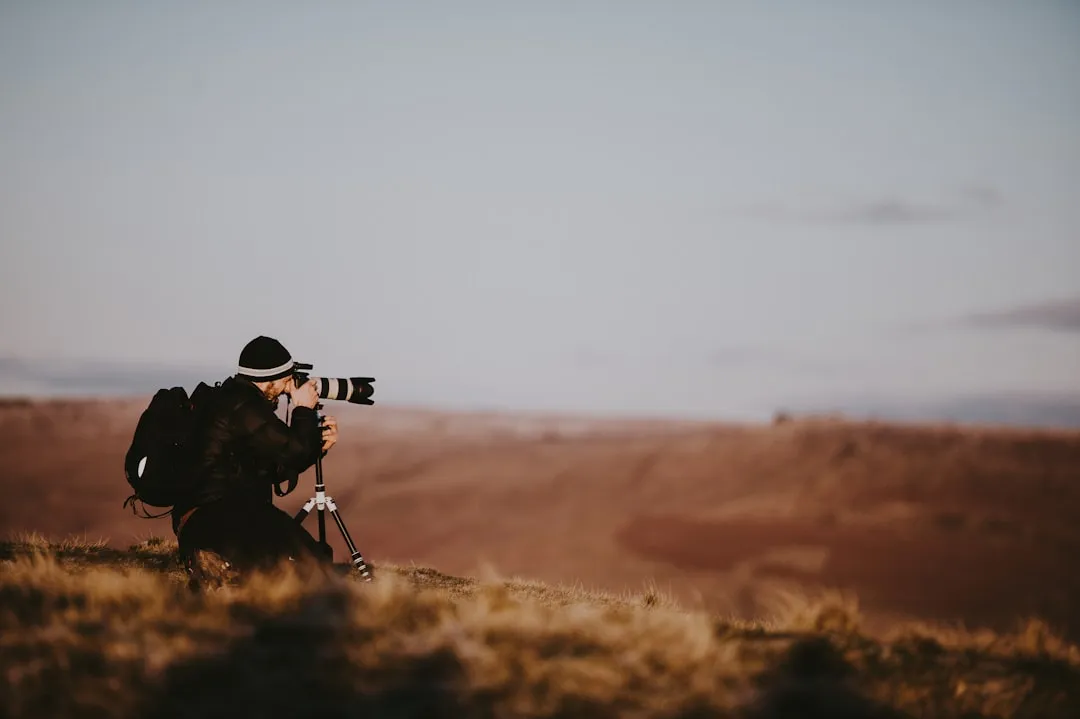
Burrard-Lucas noted that camera traps offer a rare glimpse into the unseen world. They show how animals move at night and use quiet corridors. These tools are not only great for storytelling but also valuable for conservation. They help teams monitor elusive species and understand how animals use their habitats.