Researchers at Florida State University (FSU) have uncovered new details about male green sea turtles. This study, conducted off the coast of Brazil, offers important insights into their migration. These findings will help with future conservation efforts.
Unraveling Male Sea Turtle Mysteries
Male green sea turtles have been difficult to study. Female turtles return to the same spots to lay eggs, making it easier for researchers to track them. Males, however, rarely come ashore after hatching. This has left scientists with many unanswered questions about their behavior.
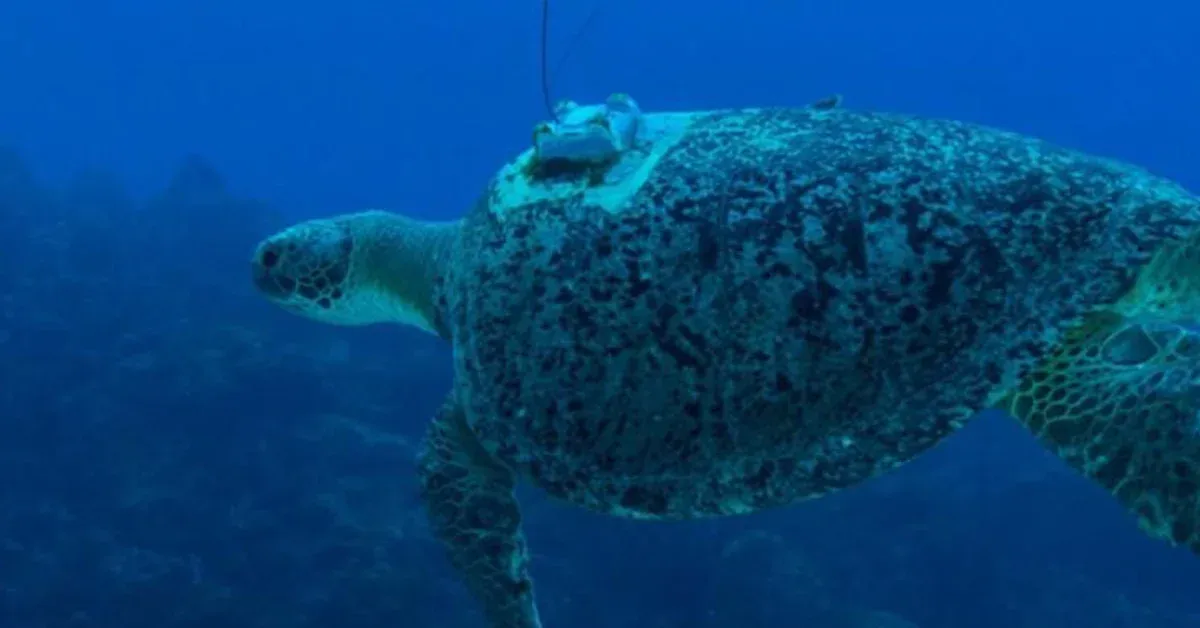
From 2019 to 2022, FSU researchers followed a group of adult male turtles during breeding season. They used satellite tags to collect data.
We're a new kind of news feed.
Regular news is designed to drain you. We're a non-profit built to restore you. Every story we publish is scored for impact, progress, and hope.
Start Your News DetoxThe study found two main migration patterns. About 80% of the tagged turtles traveled 180 to 620 miles to different feeding grounds after breeding. The other 20% stayed in the same breeding area all year.
Armando Barsante Santos, a co-author of the study, noted that many turtles migrated for almost a month. He called their sense of navigation "impressive." Identifying these paths is key for conservation.
Diving Deeper into Turtle Behavior
The satellite tags also recorded the turtles' vertical movements. This included how often, how deep, and how long they dove.
The turtles that stayed in the breeding area made frequent, short dives during the day and long dives at night. Migrating turtles showed a wider range of dive patterns. Researchers believe this helps them avoid predators and save energy during their long journeys.
This research also adds to our understanding of sea turtle populations. Temperature affects a sea turtle's sex. Cooler temperatures produce males, while warmer temperatures produce females. As global temperatures rise, more females are hatching, which changes the overall population balance.
Santos explained that understanding how many females one male can breed with is important. Knowing how male behavior can help buffer these environmental changes is also crucial. He added that it's hard to get this information because males are not easy to study.
Informing Conservation Strategies
This research provides valuable information about where male green sea turtles live and thrive. This can lead to better conservation outcomes.
Mariana Fuentes, a co-author and leader of the MTREC group, highlighted the importance of this work. She said assessing how key habitats overlap with human threats is "crucial" for conservation in the region. This can help match important turtle areas with marine protected areas in Brazil.
Santos added that this research gives experts a "three-dimensional" view of the marine environment. This helps them understand how vulnerable turtles are to things like fishing gear or boat strikes. Knowing how turtles use different depths of the ocean can inform strategies that allow humans and turtles to coexist. This includes making marine protected areas in Brazil more effective.